
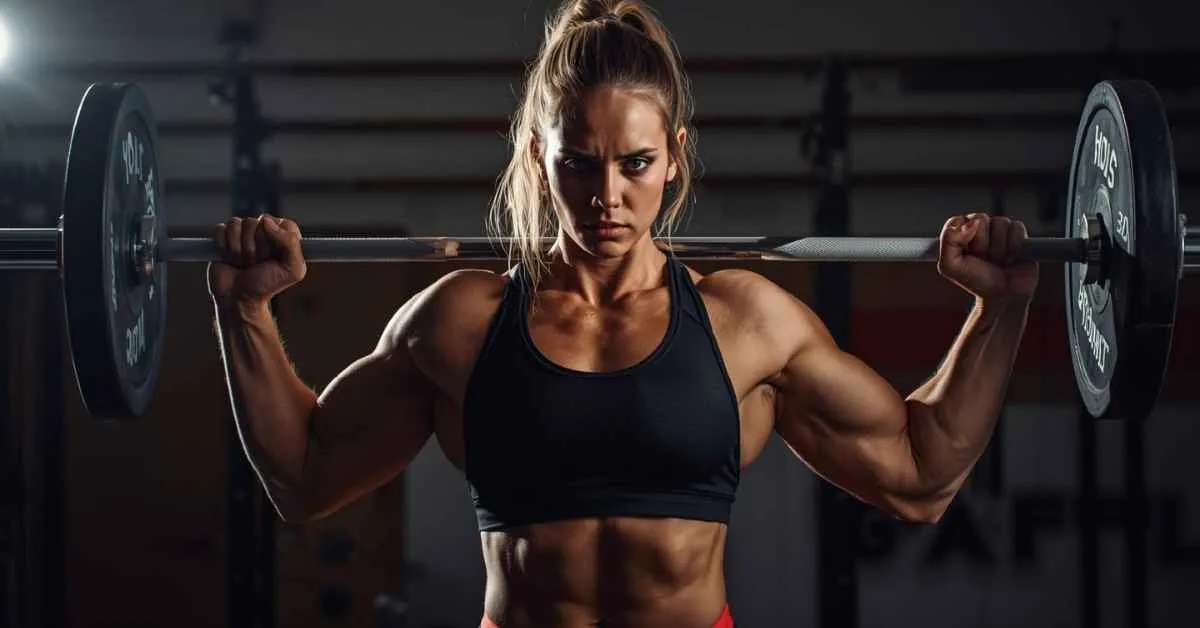
If you’re a 5’3 female, chances are you’ve wondered, “Am I at a healthy weight?”You’re not alone height and weight questions are some of the most common when it comes to health and fitness.
But here’s the truth: there’s no single “perfect” number for every woman.
Factors like age, body frame, muscle mass, and lifestyle all play a role in determining what’s healthy for you.
This guide is designed to help you understand the healthy weight range for a 5’3 woman, how it compares to averages, and what factors can influence your weight.
We’ll break down BMI ranges, discuss how body frame affects ideal weight, and share actionable tips for maintaining or reaching a healthy weight.
You’re looking to lose, gain, or simply stay healthy, this article will give you the clarity and confidence to focus on what truly matters your overall health, not just the number on the scale.
Understanding Healthy Weight for a 5’3 Female
When it comes to determining a healthy weight, one of the most widely used tools is Body Mass Index (BMI). BMI is a simple calculation based on your height and weight that helps categorize your body into underweight, normal, overweight, or obese ranges. For a 5’3 female, BMI provides a useful starting point to understand whether your weight falls within a healthy range.
For reference, the BMI categories are:
- Underweight: BMI below 18.5
- Normal weight: BMI 18.5–24.9
- Overweight: BMI 25–29.9
- Obese: BMI 30 and above
Using these categories, a 5’3 female’s healthy weight range generally falls between 104–141 lbs. Under 104 lbs would be considered underweight, while above 141 lbs may indicate overweight. Of course, this is just a guideline—factors like muscle mass, bone density, and body composition can affect what’s healthy for you personally.
BMI isn’t perfect; it doesn’t distinguish between fat and muscle. That’s why many women at the same height and weight can look completely different. Still, understanding your BMI can help you set realistic health goals and track progress. In the next section, we’ll explore the average weight for a 5’3 woman and how it varies by age and lifestyle.
Average Weight for a 5’3 Woman
Understanding the average weight for a 5’3 female can give context to your own body, but it’s important to remember that “average” doesn’t always equal “ideal” or “healthy.” Average weight is simply a statistical measure reflecting what most women weigh, influenced by genetics, lifestyle, and age.
Data from health studies shows that the average weight for a 5’3 woman in her 20s and 30s typically falls around 125–135 lbs. In the 40s and 50s, the average tends to rise slightly to 130–145 lbs due to natural changes in metabolism, hormone levels, and body composition. This doesn’t mean women outside these numbers are unhealthy—it just reflects trends in populations.
Lifestyle factors also play a major role. Women who are more active or have higher muscle mass may weigh more than the average but still be very healthy. On the other hand, someone with a sedentary lifestyle may fall within the average weight range but have higher body fat, which can affect overall health.
It’s also worth noting that cultural and regional differences can influence average weights. For example, women in some countries may naturally weigh less or more due to diet, genetics, and lifestyle norms.
Ultimately, while the average weight provides a benchmark, your personal healthy weight may be higher or lower depending on your body type, muscle mass, and health goals. In the next section, we’ll explore ideal weight based on body frame, which helps refine what’s healthy for you individually.
Ideal Weight by Body Frame
Not all 5’3 females carry weight the same way. Body frame size—small, medium, or large—plays a significant role in determining what is an ideal and healthy weight for you. Understanding your frame can help set more personalized and realistic goals, rather than relying solely on BMI or averages.
- Small Frame: Women with a small frame have narrower shoulders and smaller wrist measurements. For a 5’3 female with a small frame, the ideal weight typically ranges from 104–118 lbs. These women may appear lighter and may need fewer calories to maintain a healthy weight.
- Medium Frame: Most women fall into this category. Medium-frame 5’3 females generally have an ideal weight range of 119–132 lbs. This range supports a balanced distribution of muscle and fat, offering flexibility for active lifestyles while maintaining overall health.
- Large Frame: Women with a large frame have broader shoulders, larger wrists, and a naturally more muscular build. For 5’3 females, the ideal weight range is roughly 133–141 lbs. These women may weigh more without being overweight because their bones and muscles naturally carry more mass.
To identify your frame, measure the circumference of your wrist relative to your height. This simple method helps categorize whether your bones are small, medium, or large, giving more accuracy when setting weight goals.
Remember, frame size is only one factor. Muscle, fat distribution, age, and lifestyle all influence your overall health. In the next section, we’ll dive into factors that affect weight, helping you understand why two women of the same height and frame can weigh differently yet be equally healthy.
Factors That Affect Weight for a 5’3 Female
Even among women of the same height and frame, weight can vary significantly due to several key factors. Understanding these influences helps you see why the number on the scale doesn’t tell the full story.
1. Age and Metabolism: As women age, metabolism naturally slows down, meaning the body burns fewer calories at rest. Hormonal changes, particularly during the 30s, 40s, and menopause, can lead to gradual weight gain even if eating habits remain the same.
2. Muscle vs. Fat Mass: Muscle is denser than fat, so a woman with more muscle may weigh more but appear leaner and healthier. Two women who both weigh 130 lbs at 5’3 can look completely different depending on their muscle-to-fat ratio. Strength training and regular activity help maintain healthy muscle mass, which is crucial for overall health.
3. Lifestyle and Activity Levels: Sedentary lifestyles lead to lower calorie burn, while active women may maintain a higher weight due to muscle mass without being overweight. Diet quality also plays a role—nutrient-dense foods support a healthy body composition, while processed foods can contribute to fat accumulation.
4. Genetics and Hormonal Factors: Genetics influence body shape, fat distribution, and how easily you gain or lose weight. Hormonal imbalances, such as thyroid disorders or insulin resistance, can also affect weight, sometimes independently of diet and exercise.
Recognizing these factors highlights that weight is just one piece of the puzzle. In the next section, we’ll discuss the limitations of BMI and weight as health indicators and why focusing on overall wellness matters more than the scale.
Limitations of Weight & BMI
While BMI and weight charts are useful starting points, they don’t tell the whole story about your health. Many women rely solely on the number on the scale, but this can be misleading, especially for a 5’3 female.
First, BMI doesn’t distinguish between fat and muscle. A woman with higher muscle mass may have a BMI in the “overweight” range but actually be fit and healthy. Conversely, someone with low muscle and high body fat could fall within a “normal” BMI range but still be at risk for health issues.
Second, weight distribution matters. Two women of the same height and weight can carry fat differently—around the hips, thighs, or abdomen. Abdominal fat, in particular, is linked to higher risks of heart disease and diabetes, while weight on the hips and thighs is generally less risky.
Third, age and genetics influence healthy weight. Metabolism slows with age, and some women naturally carry more weight due to bone density, hormones, or genetic body shape. A strict BMI or weight chart cannot account for these differences.
Finally, mental and emotional health are crucial. Focusing too much on weight can lead to stress, disordered eating, or unhealthy habits. Instead, combining BMI with other measures—such as body fat percentage, waist-to-hip ratio, energy levels, and fitness performance—offers a more accurate picture of health.
In short, BMI and weight ranges are guidelines, not strict rules. The next section will provide practical tips for reaching and maintaining a healthy weight, focusing on overall wellness rather than just numbers on a scale.
Tips for Reaching a Healthy Weight
Reaching and maintaining a healthy weight as a 5’3 female isn’t about drastic diets or extreme workouts—it’s about sustainable lifestyle choices. Here are practical tips for both weight loss and weight gain, with a focus on overall health.
1. For Weight Loss:
- Balanced Diet: Focus on whole foods like vegetables, fruits, lean proteins, and whole grains. Avoid highly processed foods and sugary drinks.
- Portion Control: Eating smaller, mindful portions can help manage calorie intake without feeling deprived.
- Regular Exercise: Combine cardio with strength training. Muscle burns more calories at rest, helping maintain a healthy metabolism.
- Consistency Over Perfection: Small daily habits, like taking the stairs or walking, add up over time.
2. For Weight Gain:
- Nutrient-Dense Foods: Include healthy fats (avocado, nuts), protein (chicken, eggs, legumes), and complex carbs (oats, quinoa) to increase calories without unhealthy weight gain.
- Strength Training: Building muscle helps add healthy weight and improves body composition.
- Frequent Meals: Eating 5–6 small meals a day can help increase calorie intake naturally.
3. Focus on Overall Wellness:
- Stay hydrated and get adequate sleep.
- Manage stress, as high stress can affect hormones that regulate weight.
- Avoid comparing yourself to others—body type, genetics, and lifestyle all affect ideal weight.
Remember, the goal isn’t a number on the scale—it’s feeling strong, energetic, and healthy. In the next section, we’ll answer common questions about weight for a 5’3 female in a helpful FAQ format.
FAQs About 5’3 Female Weight
Many 5’3 females have questions about what weight is healthy, normal, or ideal. Here are some of the most common questions answered clearly and concisely.
1. How much should a 5’3 woman weigh?
A healthy weight range for a 5’3 female is typically 104–141 lbs, depending on body frame, muscle mass, and age. Remember, this is a guideline—not a strict rule.
2. Is 120 lbs healthy for a 5’3 woman?
Yes! 120 lbs usually falls within the normal BMI range, especially for small- or medium-frame women. Fitness level and body composition also matter more than the number alone.
3. Can a 5’3 woman be healthy above 140 lbs?
Absolutely. Women with larger frames or more muscle mass may weigh above 140 lbs while still being healthy. Body composition, waist-to-hip ratio, and energy levels are better health indicators than weight alone.
4. How does body frame affect ideal weight?
Small-frame women weigh less than medium or large-frame women at the same height. Measuring wrist circumference is an easy way to estimate frame size.
5. What’s the best way to maintain a healthy weight?
Balanced nutrition, regular exercise, adequate sleep, and stress management are key. Focus on habits that improve overall health, not just the scale.
6. Is BMI the only measure of health?
No. BMI is a guideline. Other indicators, like body fat percentage, waist-to-hip ratio, and fitness levels, provide a clearer picture of your health.
These FAQs help clear common misconceptions and guide women toward realistic, healthy goals rather than chasing a single “perfect weight.”
Conclusion
Determining the ideal weight for a 5’3 female isn’t about hitting a single number—it’s about understanding a range that supports your health, lifestyle, and body type. From BMI ranges to average weights, body frame considerations, and lifestyle factors, there are many elements that influence what’s healthy for you personally.
Remember, a 5’3 female’s healthy weight generally falls between 104–141 lbs, but your ideal number may differ depending on whether you have a small, medium, or large frame, your muscle mass, age, and overall lifestyle. Two women at the same height and weight can look completely different and still be equally healthy. This highlights why weight alone is not the ultimate measure of wellness.
Rather than focusing solely on the scale, prioritize overall health and well-being. Eating balanced meals, staying active, managing stress, and getting enough sleep are far more important indicators of long-term health than a single number. Tracking progress through fitness performance, energy levels, and body composition will give a more accurate picture of your health than BMI alone.
At the end of the day, your weight should support a lifestyle that allows you to feel confident, energetic, and strong. Use the information in this guide to understand your body better, set realistic goals, and embrace your unique shape. The number on the scale is just a reference—the real focus should always be on how you feel and how healthy you are.

Elizabeth Gilbert is a celebrated American author known for exploring self-discovery, spirituality, and life’s deeper meanings. Her writings inspire readers to uncover the hidden messages in dreams, symbols, and personal journeys—perfectly aligning with the mission of DreamMaening.com.