Rice is often one of the first foods people try to eliminate when starting a weight loss journey.
It’s commonly labeled as “fattening” or blamed for stubborn belly fat, especially in carbohydrate-restricted diets.
However, the truth is far more balanced. Choosing the best rice for weight loss can allow you to enjoy this staple food while still making steady progress toward your goals.
Not all rice is created equal. Different varieties vary in fiber content, glycemic index, and how long they keep you feeling full.
When eaten in the right portions and prepared correctly, certain types of rice can actually support weight loss by providing sustained energy and preventing overeating.
Cultures around the world consume rice daily while maintaining healthy body weights, proving that rice itself isn’t the problem—how and what kind you eat matters most.
In this guide, we’ll break down which rice varieties are best for weight loss, how they affect your body, and how to include rice in a healthy, sustainable diet without guilt or confusion.
Understanding Rice and Weight Loss
To understand whether rice can support weight loss, it’s important to look beyond calories alone. Rice is primarily a carbohydrate, which the body uses as its main source of energy. When consumed in appropriate portions, carbohydrates help fuel daily activities and workouts, making it easier to stay active and consistent—both essential for weight loss.
One key factor is fiber content. Rice varieties higher in fiber digest more slowly, helping you feel full for longer and reducing sudden spikes in blood sugar. This steady digestion can prevent cravings and overeating later in the day. Another important factor is the glycemic index (GI), which measures how quickly a food raises blood sugar levels. Lower-GI rice options cause slower glucose release, supporting better appetite control and fat management.
Weight loss ultimately comes down to maintaining a calorie deficit, but food quality strongly affects how easy that deficit is to sustain. Rice that keeps you satisfied and energized makes it easier to stick to healthy eating patterns. On the other hand, refined or heavily processed rice can lead to quicker digestion and increased hunger if not paired with protein and vegetables.
The takeaway is simple: rice itself doesn’t cause weight gain. The type of rice, portion size, and what you eat it with all determine whether rice becomes a helpful tool or a setback in your weight loss journey.
Is Rice Bad for Weight Loss? Common Myths Explained
Rice has gained a reputation as a “bad” food in many weight loss circles, but much of this belief is based on myths rather than facts. One common misconception is that all rice leads to weight gain. In reality, weight gain occurs when total calorie intake consistently exceeds what the body burns, not because of a single food like rice.
Another widespread myth is that white rice automatically causes fat gain, while brown rice guarantees weight loss. While brown rice contains more fiber and nutrients, white rice can still fit into a weight loss diet when eaten in controlled portions and paired with protein, fiber, and healthy fats. The overall balance of the meal matters more than the color of the rice.
Some people also believe that eating rice at night leads to weight gain. There is no strong scientific evidence supporting this claim. What matters most is total daily calorie intake, not the timing of rice consumption. For active individuals, rice in the evening can even support muscle recovery and energy balance.
Finally, many assume that eliminating rice entirely is necessary for fat loss. However, many healthy populations around the world consume rice daily and maintain lean body weights. The key is choosing the right rice, managing portions, and maintaining an overall healthy lifestyle rather than cutting out rice completely.
Key Factors That Make Rice Weight-Loss Friendly
Not every type of rice supports weight loss equally. Certain characteristics determine whether rice helps you stay full and energized or leaves you feeling hungry soon after eating. Understanding these factors makes it easier to choose the best rice for weight loss.
One of the most important factors is fiber content. Higher-fiber rice varieties slow digestion, helping control appetite and reduce calorie intake throughout the day. Fiber also supports gut health, which plays a role in metabolism and weight management.
Another key factor is the glycemic index (GI). Rice with a lower GI releases glucose more slowly into the bloodstream, preventing sharp blood sugar spikes and crashes. This steady energy release helps reduce cravings and supports better fat regulation, especially for people sensitive to blood sugar fluctuations.
Resistant starch is another beneficial component found in certain rice types, particularly when rice is cooked and cooled. Resistant starch behaves like fiber, feeding healthy gut bacteria and increasing feelings of fullness without adding extra calories.
Finally, satiety and nutrient density matter. Rice that provides vitamins, minerals, and long-lasting energy helps prevent overeating later. When rice is paired with lean protein, vegetables, and healthy fats, it becomes part of a balanced meal that supports sustainable weight loss rather than hindering it.
Choosing rice with these qualities allows you to enjoy it regularly while still progressing toward your weight loss goals.
Best Types of Rice for Weight Loss
When it comes to choosing the best rice for weight loss, the variety you select can make a noticeable difference. Some types of rice provide more fiber, protein, and nutrients, helping you feel full longer and manage calorie intake more effectively.
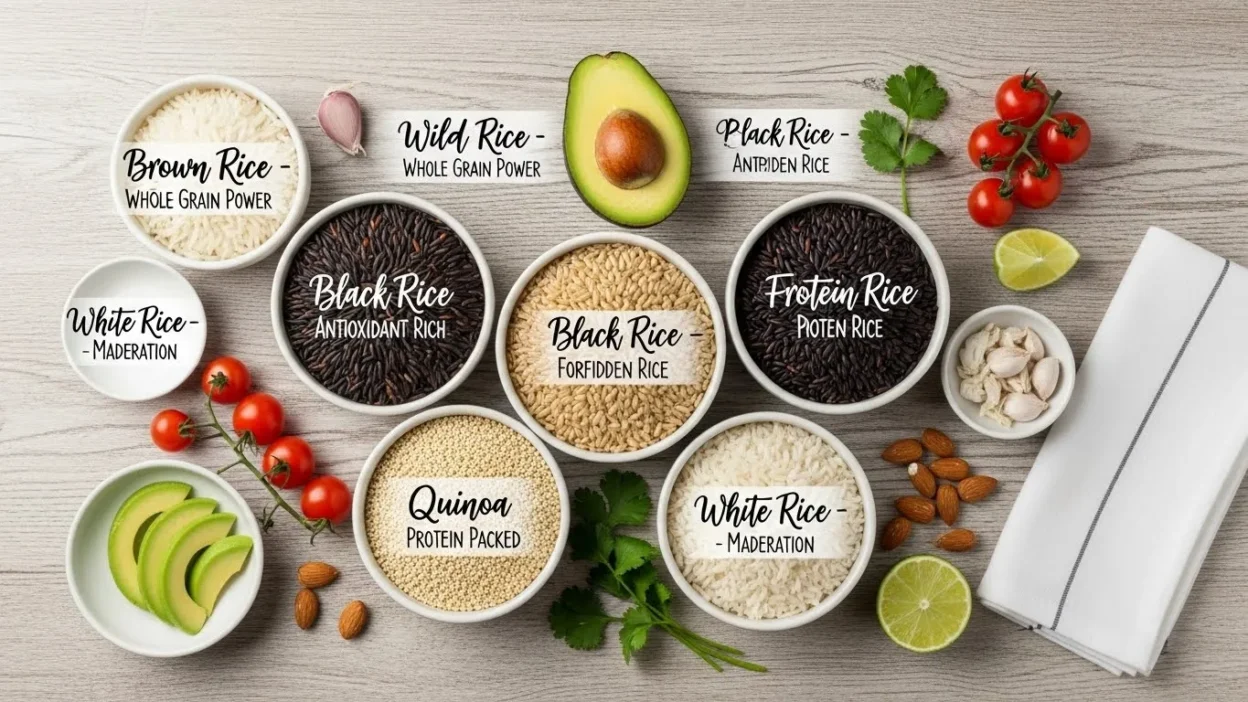
Brown rice is one of the most popular choices for weight loss. Because it retains its bran and germ layers, it contains more fiber and micronutrients than white rice. This slower digestion helps control hunger and supports steady energy levels.
Basmati rice, especially brown basmati, is another excellent option. It has a lower glycemic index compared to many other white rice varieties, which means it causes a slower rise in blood sugar. This makes it easier to manage appetite and cravings.
Black rice is rich in antioxidants and fiber, making it a nutrient-dense choice. While slightly higher in calories, its high satiety factor can help reduce overall food intake.
Red rice contains beneficial minerals and natural compounds that support digestion and blood sugar control. Its chewy texture also promotes slower eating, which can aid portion control.
Wild rice, though technically a grass, is high in protein and fiber. It’s one of the most filling options available, making it particularly useful for fat loss-focused diets.
Each of these rice types can support weight loss when eaten in proper portions and prepared in a healthy way.
White Rice and Weight Loss: Can It Still Work?
White rice is often criticized in weight loss discussions, but it doesn’t need to be completely eliminated. While white rice is more refined and contains less fiber than whole-grain options, it can still fit into a weight loss plan when consumed mindfully.
One advantage of white rice is its easy digestibility, which can be helpful for people with sensitive stomachs or those who engage in regular physical activity. For active individuals, white rice provides quick energy that can support workouts and recovery without causing digestive discomfort.
The key to including white rice is portion control. Eating smaller servings—such as half a cup of cooked rice—can prevent excess calorie intake. Pairing white rice with lean protein, vegetables, and healthy fats slows digestion and reduces blood sugar spikes, making the meal more balanced and satisfying.
Choosing long-grain or basmati white rice is generally better than sticky or short-grain varieties, as these tend to have a slightly lower glycemic index. Cooking methods also matter; avoiding added butter, oil, or creamy sauces helps keep calorie content in check.
Ultimately, white rice is not the enemy. When eaten occasionally, in controlled portions, and as part of a balanced meal, it can coexist with weight loss goals without causing setbacks.
Rice Varieties to Limit During Weight Loss
While rice can be part of a healthy weight loss diet, some varieties are easier to overeat and may slow progress if consumed frequently. Being aware of which types to limit can help you make smarter choices without cutting rice out completely.
Sticky rice and other short-grain varieties are higher on the glycemic index and digest quickly, which can lead to faster blood sugar spikes and increased hunger soon after eating. Their soft, clumpy texture also makes portion control more difficult.
Jasmine rice, though aromatic and flavorful, is typically lower in fiber and higher in GI compared to basmati or brown rice. This doesn’t mean it must be avoided entirely, but it’s best eaten occasionally and in smaller portions during weight loss.
Instant and pre-cooked rice products often lose nutrients during processing and may contain added sodium or preservatives. These products are convenient but less filling, making it easier to consume excess calories without feeling satisfied.
Flavored or packaged rice mixes can also be problematic. They frequently include added sugars, oils, and seasoning blends that significantly increase calorie content without improving satiety.
Limiting these rice types doesn’t mean eliminating enjoyment. Choosing whole, minimally processed rice most of the time allows you to enjoy rice while maintaining better control over hunger, blood sugar, and overall calorie intake during your weight loss journey.
Best Portion Sizes of Rice for Weight Loss
Even the healthiest rice can slow weight loss if portions are too large. Portion control is one of the most important factors when including rice in a calorie-conscious diet, and understanding appropriate serving sizes makes rice much easier to manage.
A generally recommended portion for weight loss is ½ cup of cooked rice per meal, which provides enough carbohydrates for energy without excessive calories. For very active individuals or those engaging in intense workouts, slightly larger portions may be appropriate, but they should still be balanced with protein and vegetables.
It’s important to understand the difference between cooked and uncooked measurements. One cup of uncooked rice expands to about three cups when cooked, which can easily lead to overeating if portions aren’t measured properly. Using measuring cups or visual cues—such as a serving size roughly equal to a cupped hand—can help maintain consistency.
Pairing rice with high-protein foods and fiber-rich vegetables increases satiety and reduces the likelihood of going back for seconds. Eating slowly and mindfully also helps your body recognize fullness signals before overeating occurs.
Ultimately, rice doesn’t need to be eliminated for weight loss. By sticking to controlled portions and building balanced meals, you can enjoy rice regularly while still making steady progress toward your health goals.
Best Time to Eat Rice for Weight Loss
Many people wonder if there is a “perfect” time to eat rice when trying to lose weight. While timing can play a supporting role, it’s important to understand that total daily calories and food quality matter more than the clock. Still, eating rice strategically can help with energy levels and appetite control.
For most people, eating rice at lunch works well. During the middle of the day, your body is typically more active and better able to use carbohydrates for energy rather than storing them. A balanced lunch with rice, lean protein, and vegetables can keep you full and focused for hours.
Rice can also be beneficial around workouts. Consuming rice before exercise provides fuel for performance, while eating it after workouts helps replenish glycogen stores and support muscle recovery. This is especially helpful for people who train regularly or engage in strength training.
Eating rice at dinner is not inherently bad, despite popular myths. If your portions are controlled and the meal is balanced, rice at night will not automatically cause weight gain. However, people with blood sugar sensitivity may prefer smaller portions in the evening.
Ultimately, the best time to eat rice is when it helps you stay consistent, satisfied, and within your calorie goals. Consistency matters far more than timing alone.
Cooking Methods That Make Rice Healthier for Weight Loss
How rice is prepared can significantly influence its impact on weight loss. Even the best rice variety can become less healthy if it’s cooked with excess fat or paired with high-calorie ingredients. Choosing smarter cooking methods helps keep rice weight-loss friendly.
One of the healthiest options is boiling or steaming rice in water without adding butter, oil, or cream. This keeps calorie content low while preserving the rice’s natural nutrients. Rinsing rice before cooking can also remove excess surface starch, which may slightly reduce blood sugar spikes.
An effective strategy is cooking rice and allowing it to cool before eating. This process increases resistant starch, a type of carbohydrate that behaves like fiber. Resistant starch improves gut health, enhances fullness, and may support better fat metabolism. Reheating cooled rice does not eliminate this benefit.
Another helpful technique is mixing rice with vegetables, legumes, or beans. This increases fiber and volume while reducing calorie density, allowing you to eat a satisfying portion without overeating. Using spices, herbs, and low-calorie seasonings adds flavor without unnecessary calories.
Avoid frying rice or cooking it in large amounts of oil, ghee, or butter, as this significantly increases calorie content. By keeping preparation simple and balanced, rice can remain a nutritious and effective part of a weight loss diet.
Rice in Different Weight Loss Diets
Rice can fit into many different weight loss approaches when used correctly. Contrary to popular belief, you don’t need to follow a strict or extreme diet to include rice and still lose weight. The key is adapting rice intake to match your chosen eating style.
In a calorie deficit diet, rice works well as a controlled carbohydrate source. Measuring portions and pairing rice with lean protein and vegetables helps maintain fullness while keeping calories in check. Brown rice, basmati rice, and wild rice are especially helpful here due to their higher satiety.
For high-protein diets, rice can support training performance and recovery. Adding a small portion of rice alongside protein-rich foods like chicken, fish, eggs, or legumes balances energy levels without overpowering the meal. This approach is popular among people focused on fat loss while preserving muscle.
In vegetarian or vegan weight loss diets, rice is often a staple. Combining rice with lentils, beans, tofu, or vegetables creates complete, satisfying meals. Choosing whole-grain rice varieties helps increase fiber intake and improve appetite control.
For those following low-fat diets, rice serves as a clean energy source when prepared without added oils. Even white rice can fit here if portions are managed properly.
No matter the diet style, rice is most effective when treated as a supporting component—not the main focus—of a balanced, nutrient-dense meal.
Rice Alternatives vs Rice: Which Is Better for Weight Loss?
Rice alternatives have gained popularity in weight loss diets, but that doesn’t automatically make them better than rice. The choice between rice and its alternatives depends on personal preferences, dietary needs, and sustainability.
Quinoa is often compared to rice because it contains more protein and fiber. It can be more filling than white rice and works well for people looking to increase protein intake. However, it’s also higher in calories, so portion control still matters.
Cauliflower rice is very low in calories and carbohydrates, making it appealing for aggressive calorie reduction. While it can help reduce calorie intake, it may not provide enough energy for active individuals and can feel unsatisfying if used exclusively.
Barley and farro are whole grains with high fiber content, supporting fullness and digestion. These can be excellent options for variety, but they are not necessarily superior to rice—just different.
Rice has the advantage of being affordable, easy to digest, and culturally versatile, making it more sustainable long term. Many people abandon diets that eliminate rice because they feel restrictive.
For lasting weight loss, the best choice is the one you can maintain consistently. Rice and its alternatives can all support weight loss when portions are controlled and meals are balanced. Eliminating rice is not required for success.
Common Mistakes People Make With Rice During Weight Loss
Many people struggle with weight loss not because they eat rice, but because of how they eat it. Avoiding common mistakes can make rice a helpful part of your diet instead of a setback.
One frequent mistake is oversized portions. Rice is easy to overeat, especially when served without measuring. Even healthy rice varieties can contribute to excess calories if portions are not controlled. Using a measuring cup or pre-portioning meals helps prevent this issue.
Another common error is eating rice alone without protein or vegetables. Rice by itself digests quickly, which can lead to hunger soon after eating. Pairing rice with lean protein and fiber-rich vegetables slows digestion and improves satiety.
Many people also overlook hidden calories added during cooking. Oils, butter, ghee, creamy sauces, and fried preparations can significantly increase calorie content. Keeping rice preparation simple makes a big difference.
Assuming that “healthy rice” means unlimited rice is another pitfall. Whole-grain rice is nutritious, but calories still count. Mindful eating and portion awareness are essential.
Lastly, cutting rice out completely often leads to cravings and binge eating later. A balanced approach—where rice is included in moderation—is usually more effective and sustainable for long-term weight loss success.
Sample Weight-Loss Meal Ideas With Rice
Including rice in your meals doesn’t have to feel boring or repetitive. When combined with the right ingredients, rice-based meals can be satisfying, nutritious, and supportive of weight loss. The key is balance—keeping portions controlled while adding protein, fiber, and flavor.
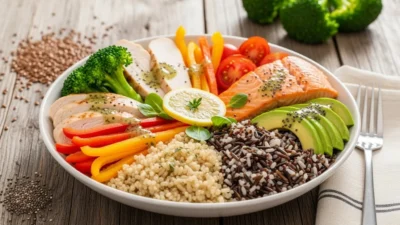
A simple option is a balanced rice bowl. Start with half a cup of cooked brown or basmati rice, add grilled chicken, fish, tofu, or beans, and load up on vegetables like broccoli, spinach, bell peppers, or cucumbers. Finish with herbs, lemon juice, or light spices instead of heavy sauces.
For a vegetarian meal, pair rice with lentils or chickpeas. A small portion of rice combined with dal, mixed vegetables, and a side salad creates a high-fiber, filling dish that supports steady energy levels.
A post-workout meal might include white or basmati rice with lean protein such as eggs, turkey, or fish. This combination helps replenish energy stores while supporting muscle recovery without excessive calories.
You can also try stir-fried vegetables with rice, using minimal oil and plenty of spices. The vegetables add volume and fiber, allowing you to feel full with less rice.
These meal ideas show that rice doesn’t need to be avoided. With smart pairings and portion control, it can fit easily into a weight-loss-friendly lifestyle.
Who Should Be Careful With Rice Intake During Weight Loss
While rice can be included in many weight loss plans, some individuals may need to be more mindful of their intake due to specific health or lifestyle factors. Understanding your body’s needs helps you use rice in a way that supports, rather than hinders, progress.
People with insulin resistance or type 2 diabetes may experience stronger blood sugar spikes from rice, especially refined varieties. Choosing lower–glycemic index options like basmati, brown rice, or wild rice, and keeping portions small, can help manage glucose levels more effectively.
Those following a very sedentary lifestyle may also need to limit rice portions. When activity levels are low, the body requires fewer carbohydrates, making it easier to exceed calorie needs. In such cases, reducing portion size or eating rice less frequently may be beneficial.
Individuals on low-carb or ketogenic diets often avoid rice entirely due to its carbohydrate content. While this is a personal dietary choice, it’s important to ensure nutrient needs are still being met through other foods.
People who struggle with portion control or binge eating may find rice challenging because it’s easy to overconsume. Using pre-measured servings or meal prepping can help maintain consistency.
If you have medical conditions or specific dietary concerns, consulting a healthcare or nutrition professional can help determine how rice fits into your weight loss plan safely.
Final Verdict: What Is the Best Rice for Weight Loss?
So, what is the best rice for weight loss? The honest answer is that there is no single “perfect” rice, but there are clearly better choices depending on your goals, lifestyle, and body’s response. Rice itself is not the enemy—how you choose, portion, and prepare it matters far more.
For most people, brown rice, basmati rice, and wild rice stand out as the best options. They are more filling, digest more slowly, and help control appetite thanks to higher fiber and lower glycemic impact. If blood sugar control is a priority, basmati rice—especially brown basmati—is often the most balanced choice. Wild rice is excellent for satiety and protein, while black and red rice add nutritional variety.
That said, white rice is not forbidden. When eaten in small portions, paired with protein and vegetables, and included within a calorie-controlled diet, it can still support weight loss—especially for active individuals.
The biggest mistake people make is focusing only on the type of rice and ignoring portion size, cooking methods, and meal balance. Even the healthiest rice can stall progress if portions are too large or cooked with excess fat.
The best rice for weight loss is ultimately the one you can eat consistently and mindfully without feeling deprived. Sustainable habits always beat extreme restrictions. If rice helps you stay satisfied, energized, and committed to your diet, it deserves a place on your plate. Weight loss is about long-term balance—not eliminating foods you enjoy.

Joan Didion is a passionate writer at DreamMaening.com, exploring the hidden meanings behind dreams, symbols, and life’s mysteries with clarity and insight.