
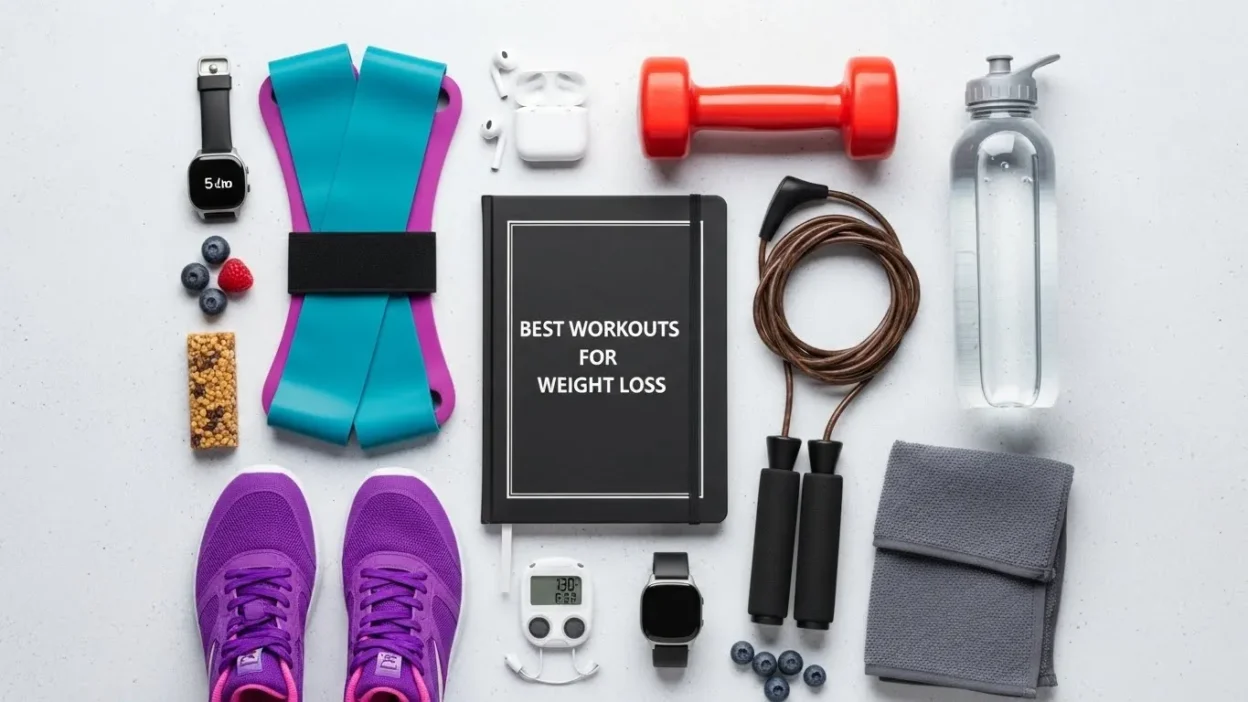
Losing weight is about more than just cutting calories it’s about moving your body in ways that burn fat, build muscle, and boost your metabolism.
Choosing the best workouts for weight loss can make the journey faster, more effective, and even enjoyable.
You prefer high-intensity sessions that leave you breathless, strength training that sculpts your muscles, or low-impact routines that protect your joints, there’s a workout for every fitness level.
Exercise not only helps you shed pounds but also improves heart health, increases energy, and strengthens bones.
In this guide, we’ll explore the most effective weight loss exercises, from HIIT and cardio to strength and functional training, so you can create a balanced routine that fits your lifestyle.
By combining the right workouts with proper nutrition and consistency, losing weight becomes a sustainable and rewarding journey rather than a short-term challenge.
Understanding Weight Loss and Exercise
Before diving into the best workouts for weight loss, it’s important to understand how exercise actually helps you shed pounds. Weight loss occurs when your body burns more calories than it consumes, creating a calorie deficit. While diet plays a crucial role, exercise boosts this process by increasing calorie expenditure and preserving lean muscle mass.
There are different types of exercises, each with unique benefits for fat loss. Cardiovascular workouts, like running, cycling, or swimming, elevate your heart rate and burn calories quickly. High-Intensity Interval Training (HIIT) takes this further by alternating short bursts of intense activity with periods of rest, maximizing fat burn even after the workout ends.
On the other hand, strength training builds muscle, which increases your resting metabolic rate. This means your body burns more calories even when you’re not exercising. Functional and full-body workouts combine strength and cardio elements, helping you burn fat efficiently while improving balance, flexibility, and endurance.
Understanding these principles allows you to create a balanced weight loss workout routine that combines cardio, strength, and functional exercises. With consistent effort, proper form, and gradual intensity increases, these exercises become powerful tools to achieve long-term fat loss, better fitness, and improved overall health.
Cardio Workouts for Maximum Fat Burn
Cardiovascular exercise, commonly known as cardio, is one of the most effective ways to burn calories and accelerate weight loss. Cardio workouts increase your heart rate, improve circulation, and help your body use stored fat as energy. For those aiming to shed pounds, incorporating high-intensity and steady-state cardio can deliver impressive results.
High-Intensity Interval Training (HIIT) is a favorite for fast fat loss. This involves alternating short bursts of intense activity, like sprinting or jumping exercises, with brief recovery periods. HIIT not only burns calories during the session but also boosts your metabolism afterward, a phenomenon known as the “afterburn effect.” A simple HIIT routine could include 30 seconds of sprinting followed by 60 seconds of walking, repeated for 15–20 minutes.
For those who prefer moderate intensity, steady-state cardio like running, cycling, rowing, or swimming at a consistent pace can also burn significant calories. These workouts are easier to maintain for longer periods, making them great for beginners or those building endurance.
Tips for effective cardio workouts: vary routines to prevent boredom, gradually increase intensity, and combine with strength training for maximum results. Consistent cardio sessions, 3–5 times per week, paired with a balanced diet, can accelerate fat loss, improve heart health, and enhance overall energy levels, forming the backbone of any successful weight loss plan.
Strength Training for Weight Loss
While cardio burns calories during exercise, strength training plays a crucial role in boosting your metabolism and supporting long-term weight loss. Building lean muscle through resistance exercises increases your resting metabolic rate, meaning your body burns more calories even at rest. For weight loss, combining strength training with cardio creates a powerful, balanced workout routine.
There are several types of strength training exercises. Bodyweight exercises like push-ups, squats, and lunges are excellent for beginners and can be done anywhere. Free weights, such as dumbbells and kettlebells, allow for progressive overload, which challenges your muscles and stimulates growth. Machines at the gym provide guided movements, which are helpful for newcomers learning proper form.
Key exercises to target major muscle groups include: squats and deadlifts for legs and glutes, bench presses and rows for chest and back, and planks or Russian twists for the core. For beginners, a full-body strength session 2–3 times per week is ideal, while intermediate and advanced individuals can split workouts by muscle group for more intensity.
Tips for effective strength training: focus on proper form to prevent injuries, gradually increase weight or resistance, and allow 48 hours of recovery between sessions for each muscle group. Incorporating strength training alongside cardio not only accelerates fat loss but also improves body composition, strengthens bones, and enhances overall functional fitness, making it an essential component of any weight loss workout routine.
Functional and Full-Body Workouts
Functional and full-body workouts are designed to engage multiple muscle groups simultaneously, improving strength, balance, and coordination while burning calories efficiently. Unlike traditional isolation exercises, functional movements mimic real-life activities, making everyday tasks easier and enhancing overall fitness. These workouts are particularly effective for weight loss because they combine strength and cardio elements, increasing calorie expenditure in a short amount of time.
Examples of functional exercises include kettlebell swings, medicine ball slams, battle ropes, and compound movements like squats with shoulder presses. Full-body circuits are also highly effective, alternating exercises targeting different muscle groups with minimal rest. For instance, a 20–30 minute circuit could include push-ups, lunges, dumbbell rows, and burpees performed back-to-back. This approach keeps the heart rate elevated, maximizing fat burn while strengthening muscles.
Another popular method is plyometric training, which includes explosive movements like jump squats, box jumps, and mountain climbers. These exercises improve power and agility while boosting metabolism.
To get the most from functional and full-body workouts, focus on proper technique and gradually increase intensity. Combining these routines with traditional cardio and strength training ensures a well-rounded weight loss program, helping you burn fat, build lean muscle, and improve overall athletic performance. Functional workouts are versatile, time-efficient, and adaptable, making them an excellent choice for anyone aiming to achieve sustainable fat loss.
Low-Impact Workouts
Not everyone can handle high-intensity workouts, especially beginners, older adults, or those with joint issues. Low-impact workouts provide an effective way to burn calories, improve cardiovascular health, and aid weight loss without putting excessive stress on the joints. These exercises are gentle on the body while still supporting fat loss and overall fitness.
Examples of low-impact exercises include swimming, cycling, rowing, yoga, and Pilates. Swimming engages multiple muscle groups while cushioning the joints, making it ideal for full-body calorie burn. Cycling and rowing provide effective cardiovascular workouts that strengthen the legs, core, and back. Meanwhile, yoga and Pilates focus on flexibility, balance, and core strength, while still helping to burn calories and tone muscles.
Low-impact workouts are also highly adaptable. You can adjust intensity by increasing speed, resistance, or duration, making them suitable for beginners and advanced exercisers alike. Consistency is key—performing 30–60 minutes of low-impact exercise 4–5 times per week can contribute significantly to weight loss when paired with a healthy diet.
Additionally, low-impact routines reduce the risk of injury and promote recovery, allowing you to stay active regularly. By incorporating low-impact workouts into your fitness plan, you can achieve sustainable weight loss, improve mobility, and build a strong foundation for more intense workouts in the future.
Combining Workouts for Optimal Weight Loss
To maximize fat loss and overall fitness, it’s important to combine different types of workouts rather than relying on just one. Integrating cardio, strength training, functional exercises, and even low-impact routines creates a balanced approach that burns calories, builds muscle, and prevents plateaus.
A well-rounded weight loss program typically includes cardio workouts to boost calorie expenditure, strength training to increase resting metabolism, and functional or full-body exercises to enhance coordination and endurance. For example, pairing 20–30 minutes of HIIT or steady-state cardio with a 30–40 minute strength session can create a powerful fat-burning effect. On alternate days, low-impact workouts like swimming or yoga can aid recovery while still contributing to calorie burn.
Creating a weekly schedule helps maintain consistency. Beginners might start with 3 days of cardio, 2 days of strength training, and 1–2 days of active recovery. Intermediates and advanced individuals can split workouts by muscle group, intensity, or duration for more targeted results.
Variety not only maximizes calorie burn but also keeps workouts enjoyable, reducing the likelihood of boredom. By combining multiple workout styles, you address all aspects of fitness—strength, endurance, flexibility, and balance—while accelerating weight loss. Consistency, gradual intensity increases, and a structured plan are the keys to creating a sustainable, effective weight loss workout routine.
Tips to Maximize Workout Effectiveness
Even the best workouts for weight loss won’t deliver optimal results without proper planning and lifestyle support. To maximize workout effectiveness, consider factors such as nutrition, recovery, consistency, and tracking progress.
1. Pre- and Post-Workout Nutrition: Fueling your body with the right foods can enhance performance and recovery. A small snack with protein and complex carbs before exercising can provide energy, while a post-workout meal rich in protein helps repair muscles and maintain metabolism.
2. Hydration: Staying hydrated is essential for energy, endurance, and preventing fatigue. Drink water before, during, and after workouts.
3. Sleep and Recovery: Muscles repair and grow during rest. Aim for 7–9 hours of quality sleep each night and include rest days in your workout schedule to prevent overtraining and injuries.
4. Track Progress: Monitoring weight, measurements, or fitness milestones helps maintain motivation and identify areas for improvement. Use apps, journals, or photos to track results over time.
5. Consistency and Variation: Stick to your routine, but periodically switch exercises, intensity, or duration to avoid plateaus. Combining strength, cardio, and functional workouts keeps your body challenged and continuously burning fat.
6. Listen to Your Body: Avoid pushing through pain and modify exercises if needed. Proper form reduces injury risk and ensures every movement targets the right muscles.
By implementing these strategies, you can boost the effectiveness of your workouts, accelerate fat loss, and make your weight loss journey more sustainable and rewarding.
Common Mistakes and How to Avoid Them
Even with the best workouts for weight loss, common mistakes can slow progress or lead to injury. Being aware of these pitfalls and knowing how to avoid them is essential for achieving lasting results.
1. Overtraining and Burnout: Exercising too intensely or too frequently can lead to fatigue, injuries, and decreased motivation. Avoid this by scheduling rest days and varying workout intensity. Quality and consistency matter more than excessive quantity.
2. Neglecting Strength Training: Many people focus solely on cardio, thinking it’s the fastest way to lose weight. Skipping strength training reduces muscle growth, which is essential for boosting metabolism and burning more calories at rest. Include resistance exercises 2–4 times per week.
3. Unrealistic Expectations: Expecting rapid weight loss can lead to frustration and quitting. Aim for steady, sustainable progress, focusing on fat loss, strength gains, and improved fitness rather than just the scale.
4. Poor Form and Technique: Incorrect exercise form can cause injuries and reduce effectiveness. Learn proper techniques for all movements, and if needed, work with a trainer or follow guided videos.
5. Ignoring Nutrition and Lifestyle: Exercise alone won’t yield results if not paired with a healthy diet, hydration, and sufficient sleep. Weight loss is a combination of calories burned and calories consumed.
By recognizing these mistakes, you can create a safer, more effective weight loss workout routine. Consistency, proper form, balanced training, and realistic expectations are the keys to long-term success. Avoiding common pitfalls ensures progress while minimizing setbacks.
Conclusion
Achieving weight loss is about more than just working out—it’s about creating a balanced, consistent, and sustainable routine that combines cardio, strength training, functional exercises, and low-impact workouts. Each type of exercise offers unique benefits, from burning calories and improving heart health to building muscle and boosting metabolism. By understanding how your body responds to different workouts, you can tailor a plan that maximizes fat loss while supporting overall fitness and well-being.
Consistency, proper technique, and gradual progression are essential. Incorporating variety prevents boredom, reduces the risk of injury, and ensures that all major muscle groups are engaged. Additionally, paying attention to nutrition, hydration, rest, and recovery enhances the effectiveness of your workouts and accelerates results.
Whether you prefer high-intensity HIIT sessions, steady-state cardio, strength training, or low-impact exercises, the key is to find a routine that fits your lifestyle and keeps you motivated. By following these strategies and avoiding common mistakes, you can achieve your weight loss goals, improve your fitness, and enjoy a healthier, stronger body for years to come.

Joan Didion is a passionate writer at DreamMaening.com, exploring the hidden meanings behind dreams, symbols, and life’s mysteries with clarity and insight.