
Losing weight can feel overwhelming, especially when there is so much conflicting advice about diets, workouts, and “magic” fat-loss solutions. Many people try to eat less or exercise more, yet still struggle to see real results.
The reason is simple: successful weight loss depends on being in a calorie deficit, not on guesswork or extreme restrictions.
A calorie deficit means consuming fewer calories than your body burns each day, allowing it to use stored fat for energy.
However, calculating the right calorie intake on your own can be confusing and inaccurate. This is where a calorie deficit calculator to lose weight becomes essential.
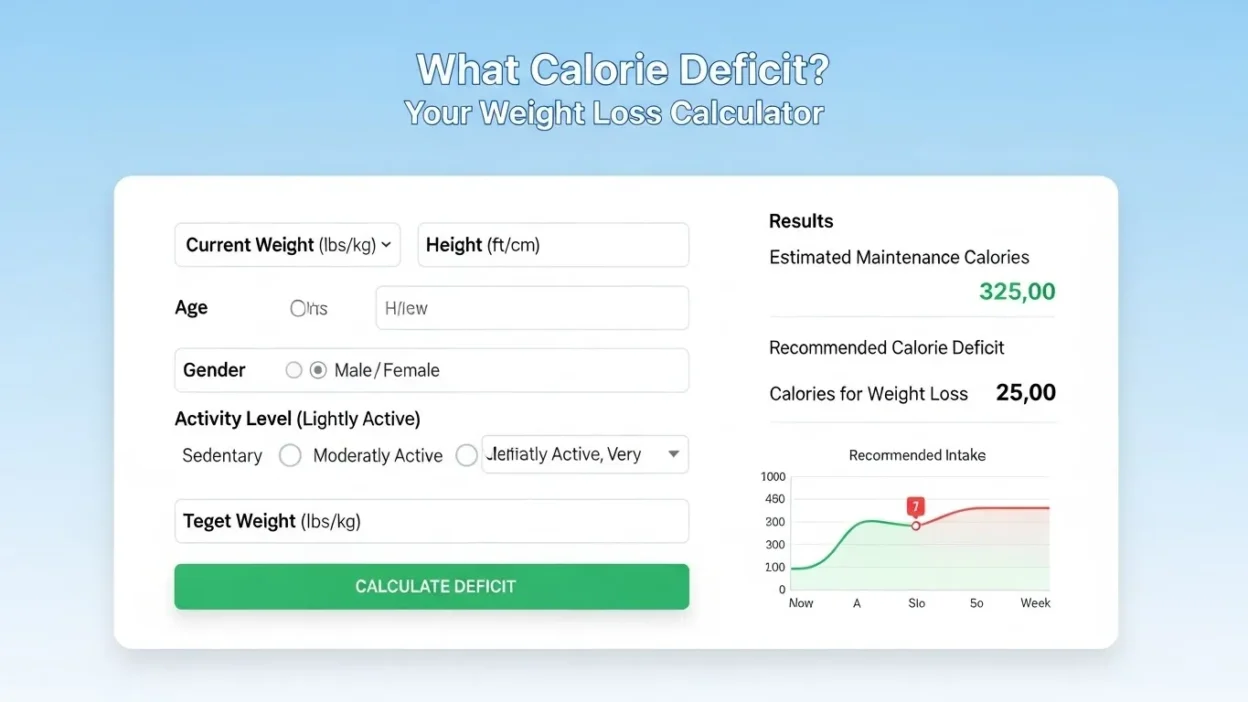
By using your age, weight, height, and activity level, a calorie deficit calculator determines how many calories you should eat daily to lose weight safely and sustainably.
Instead of starving yourself or following unrealistic diets, this science-based approach helps you achieve consistent, long-term results while maintaining your energy and health.
What Is a Calorie Deficit? (Foundation of Weight Loss)
A calorie deficit occurs when you consume fewer calories than your body needs to maintain its current weight. Your body requires energy (calories) to perform basic functions such as breathing, digestion, circulation, and physical activity. When the calories you eat are lower than the calories you burn, your body makes up the difference by using stored energy primarily body fat. This process is the fundamental driver of weight loss.
Calories come from the foods and drinks you consume, while calories burned depend on your metabolism and daily activity. Metabolism includes your Basal Metabolic Rate (BMR)the calories your body burns at rest and additional calories burned through movement, exercise, and daily tasks. Weight loss is not about eliminating specific foods or following extreme diets; it is about consistently maintaining this energy imbalance in a healthy way.
It’s important to understand the difference between a calorie deficit and starvation. A proper calorie deficit is moderate and sustainable, allowing your body to function normally while gradually losing fat. Starvation-level calorie intake, on the other hand, can slow your metabolism, cause fatigue, increase muscle loss, and negatively affect overall health. This is why simply “eating as little as possible” often backfires.
A well-planned calorie deficit supports steady fat loss, better energy levels, and long-term success. Using a calorie deficit calculator helps ensure your deficit is safe and personalized, removing guesswork and making weight loss more predictable and sustainable.
How Many Calories Do You Need Per Day?
Understanding how many calories your body needs each day is essential for creating an effective and safe calorie deficit. Everyone’s calorie requirements are different because they depend on factors such as age, gender, height, weight, body composition, and activity level. This is why generic diet plans often fail they ignore individual differences.
Your daily calorie needs are based on two key components: Basal Metabolic Rate (BMR) and Total Daily Energy Expenditure (TDEE). BMR represents the number of calories your body burns at rest to maintain vital functions like breathing, circulation, and cell repair. Even if you stayed in bed all day, your body would still burn calories to keep you alive.
TDEE goes a step further by including calories burned through physical activity, exercise, and everyday movements such as walking, standing, or household tasks. Someone with a sedentary lifestyle will have a much lower TDEE than someone who is physically active, even if they are the same age and weight.
To lose weight, you must eat fewer calories than your TDEE not your BMR. Consuming fewer calories than your BMR can be harmful and unsustainable. A calorie deficit calculator uses your personal data to estimate both your BMR and TDEE, then recommends a daily calorie intake that promotes fat loss without sacrificing health. This personalized approach ensures weight loss is steady, realistic, and easier to maintain over time.
What Is a Calorie Deficit Calculator?
A calorie deficit calculator is a tool designed to estimate how many calories you should consume each day to lose weight safely and effectively. Instead of relying on guesswork or generic diet advice, this calculator uses proven scientific formulas to create a personalized calorie target based on your body and lifestyle.
The calculator works by analyzing key personal details such as your age, gender, height, weight, and activity level. Using this information, it first estimates your Basal Metabolic Rate (BMR)the number of calories your body needs at rest. It then factors in your daily activity to calculate your Total Daily Energy Expenditure (TDEE), which represents how many calories you burn in a typical day. Once your maintenance calories are known, the calculator applies a controlled calorie deficit to determine your ideal intake for weight loss.
One of the biggest advantages of using a calorie deficit calculator is accuracy. Many people unknowingly eat too much or too little when trying to lose weight. Eating too many calories prevents fat loss, while eating too few can lead to fatigue, muscle loss, and slowed metabolism. A calculator helps avoid both extremes.
This tool is suitable for beginners and experienced dieters alike. Whether your goal is gradual fat loss or a more structured weight-loss plan, a calorie deficit calculator provides clarity, consistency, and a sustainable path toward long-term results.
How a Calorie Deficit Calculator Works
A calorie deficit calculator works by combining basic body data with established metabolic formulas to estimate your ideal daily calorie intake for weight loss. While the calculations happen instantly, understanding the process helps you trust the results and use them correctly.
First, the calculator estimates your Basal Metabolic Rate (BMR). This is the number of calories your body burns at rest to support essential functions such as breathing, digestion, hormone regulation, and organ function. BMR is influenced by factors like age, gender, height, weight, and muscle mass. People with more muscle generally burn more calories at rest.
Next, the calculator determines your Total Daily Energy Expenditure (TDEE) by multiplying your BMR by an activity factor. This factor reflects how active you are throughout the day, ranging from sedentary (little to no exercise) to very active (intense daily training or physical work). TDEE represents the total number of calories you burn in a day.
Once your TDEE is calculated, the final step is applying a calorie deficit. Most calculators recommend a deficit of 300–500 calories per day, which supports steady fat loss while preserving energy and muscle mass. This deficit determines your daily calorie intake target.
By automating these steps, a calorie deficit calculator removes confusion and reduces errors. It provides a clear, personalized calorie goal, making weight loss more structured, predictable, and easier to maintain over time.
How Large Should Your Calorie Deficit Be?
Choosing the right calorie deficit is crucial for safe, effective, and sustainable weight loss. While it may be tempting to cut calories aggressively for faster results, a deficit that is too large can do more harm than good. The goal is to create a deficit that encourages fat loss without sacrificing energy, muscle mass, or overall health.
A mild calorie deficit of around 250–300 calories per day is ideal for beginners or those who want slow, steady progress. This approach is easier to maintain and reduces the risk of fatigue, hunger, and muscle loss. A moderate calorie deficit of 400–500 calories per day is the most commonly recommended range for healthy weight loss. It typically results in losing about 0.5 kg (1 pound) per week, which is considered safe and sustainable for most people.
An aggressive calorie deficit of 600–750 calories or more may lead to faster weight loss, but it often comes with downsides. These include low energy levels, increased cravings, hormonal imbalances, and a higher chance of regaining weight later. Aggressive deficits are usually only suitable for short periods and should be approached with caution.
The best calorie deficit depends on factors such as your body weight, activity level, experience with dieting, and personal goals. A calorie deficit calculator helps you select an appropriate deficit tailored to your needs, ensuring long-term success rather than short-term frustration.
Calorie Deficit Calculator for Different Weight Loss Goals
A calorie deficit calculator is flexible and can be adjusted to support different weight loss goals, making it useful for a wide range of individuals. Whether your priority is gradual fat loss, faster results, or maintaining muscle, the calculator helps align your calorie intake with your specific objective.
For general weight loss, the calculator typically recommends a moderate calorie deficit that promotes steady fat reduction. This approach is ideal for most people because it balances progress with sustainability. You can expect consistent weekly weight loss without feeling overly restricted or exhausted.
If your goal is fat loss while preserving muscle, calorie intake must be paired with proper nutrition and training. The calculator provides a calorie target that supports fat loss, but maintaining adequate protein intake and including resistance training are essential. This combination helps protect lean muscle mass while your body uses fat for energy.
For those aiming for slow and sustainable weight loss, a smaller calorie deficit is often the best choice. This method may result in slower progress on the scale, but it is easier to maintain long term and reduces the likelihood of weight regain. It also supports better energy levels and lifestyle flexibility.
Regardless of your goal, a calorie deficit calculator removes guesswork and provides structure. By adjusting the deficit based on your preferences and progress, you can follow a weight loss plan that fits your lifestyle while still delivering measurable, lasting results.
Common Mistakes When Using a Calorie Deficit Calculator
While a calorie deficit calculator is a powerful tool, mistakes in how it’s used can slow progress or lead to frustration. One of the most common errors is overestimating activity level. Many people select a higher activity category than they actually perform, which results in a higher calorie allowance and little to no weight loss. Being honest about your daily movement is essential for accurate results.
Another frequent mistake is not tracking calories accurately. Small snacks, cooking oils, sugary drinks, and condiments can add significant calories that are often overlooked. Inconsistent tracking can make it seem like the calculator isn’t working, when in reality the calorie intake is higher than expected.
Some people also make the mistake of constantly changing their calorie target. Daily weight fluctuations are normal and do not reflect true fat gain or loss. Adjusting calories too frequently based on short-term scale changes can disrupt consistency and slow progress.
Eating too few calories is another issue. Going far below the recommended calorie intake can lead to fatigue, irritability, nutrient deficiencies, and muscle loss. Extreme restriction often causes binge eating and weight regain.
Lastly, expecting instant results can lead to disappointment. Healthy weight loss takes time, and progress is best measured over weeks, not days. Using the calculator consistently, tracking intake accurately, and staying patient are key to long-term success.
How to Track Calories Accurately
Accurate calorie tracking is essential for making a calorie deficit calculator work effectively. Even a small tracking error can turn a planned deficit into maintenance or surplus calories, slowing or stopping weight loss progress. The more consistent and precise your tracking is, the better your results will be.
One of the most effective methods is using calorie-tracking apps. These apps allow you to log meals, scan barcodes, and monitor daily calorie intake. They also help track macronutrients like protein, carbohydrates, and fats, giving you a clearer picture of your overall diet. For even greater accuracy, using a digital food scale to weigh portions is highly recommended, especially for calorie-dense foods such as oils, nuts, and grains.
Learning how to read nutrition labels is another key skill. Pay close attention to serving sizes, as packages often contain multiple servings. Liquid calories, including juices, soft drinks, coffee creamers, and alcohol, are commonly underestimated and can quickly add up.
Consistency matters more than perfection. Logging food daily even on weekends or social occasions helps maintain awareness and control. Planning meals in advance can also reduce guesswork and impulsive eating.
By tracking calories accurately and consistently, you ensure your calorie intake aligns with the deficit calculated for you. This removes uncertainty, improves accountability, and makes your weight loss journey more predictable and sustainable over time.
Diet Quality Matters: Not Just Calories
While a calorie deficit is essential for weight loss, diet quality plays a major role in how successful and sustainable that deficit is. Not all calories affect your body in the same way. Choosing nutrient-dense foods helps control hunger, maintain energy levels, and protect muscle mass while you lose weight.
Understanding macronutrients, protein, carbohydrates, and fats is key. Protein is especially important during a calorie deficit because it helps preserve lean muscle, supports metabolism, and keeps you feeling full for longer. Carbohydrates provide energy, particularly for workouts and daily activity, while healthy fats support hormone balance and nutrient absorption.
Focusing on high-volume, low-calorie foods can make a calorie deficit easier to maintain. Vegetables, fruits, lean proteins, whole grains, and legumes provide more food volume with fewer calories, helping reduce hunger. Fiber-rich foods also slow digestion and promote fullness.
Highly processed foods, sugary snacks, and refined carbohydrates are easy to overeat and often provide little nutritional value. While they can fit into a calorie deficit occasionally, relying on them makes dieting harder due to increased hunger and energy crashes.
A balanced, high-quality diet works together with a calorie deficit calculator to support consistent progress. When your food choices nourish your body, maintaining a calorie deficit feels less restrictive and more like a sustainable lifestyle change rather than a temporary diet.
Exercise and a Calorie Deficit
Exercise is not strictly required to lose weight, but it plays an important role in supporting a calorie deficit and improving overall health. Weight loss primarily comes from consuming fewer calories than you burn, yet exercise can increase the number of calories you expend each day, making it easier to maintain a deficit without extreme food restriction.
Strength training is especially valuable during a calorie deficit. Lifting weights or performing resistance exercises helps preserve lean muscle mass, which is crucial for maintaining a healthy metabolism. Without resistance training, a portion of the weight lost may come from muscle rather than fat. Strength training also improves body composition, meaning you may look leaner even if the scale moves slowly.
Cardio exercises, such as walking, running, cycling, or swimming, increase daily calorie burn and support heart health. Low-intensity activities like walking are particularly effective because they are easier to sustain and recover from while in a calorie deficit.
In addition to formal workouts, daily movement called NEAT (Non-Exercise Activity Ther mogenesis)plays a significant role. Activities like standing, cleaning, or taking the stairs contribute to calorie expenditure and are often overlooked.
Combining a calorie deficit calculator with regular movement creates a balanced approach. Exercise enhances fat loss, improves energy levels, and supports long-term weight maintenance, making your weight loss journey healthier and more sustainable.
How Long Should You Stay in a Calorie Deficit?
The length of time you should remain in a calorie deficit depends on your goals, starting weight, and how your body responds. A calorie deficit is meant to be a temporary phase, not a permanent way of eating. Staying in a deficit for too long without breaks can lead to physical and mental fatigue, slowed metabolism, and reduced motivation.
For most people, a calorie deficit phase lasts anywhere from 8 to 16 weeks. During this time, steady fat loss can occur while energy levels and performance are still manageable. As body weight decreases, your calorie needs also drop, which means progress may slow over time. This is normal and not a sign of failure.
To support long-term success, many people benefit from diet breaks. A diet break involves eating maintenance calories for one to two weeks before returning to a calorie deficit. This helps restore energy levels, improve adherence, and may reduce metabolic adaptation.
It’s also important to listen to your body. Persistent fatigue, constant hunger, irritability, or declining workout performance can be signs that your deficit is too aggressive or has lasted too long. In these cases, increasing calories slightly or taking a break can be beneficial.
Using a calorie deficit calculator periodically to reassess your calorie needs ensures your intake remains appropriate as your body changes. Strategic deficits, combined with planned breaks, make weight loss more sustainable and easier to maintain over time.
Signs Your Calorie Deficit Is Working
Knowing whether your calorie deficit is effective helps you stay motivated and make informed adjustments. While the scale is a common measurement tool, it should not be the only indicator of progress. Weight naturally fluctuates due to water retention, digestion, and hormonal changes, so focusing on trends over time is more important than daily changes.
One of the clearest signs of a working calorie deficit is a consistent downward trend in body weight over several weeks. Even small weekly reductions indicate that your body is using stored fat for energy. Alongside scale weight, body measurements such as waist, hips, or chest circumference often decrease, sometimes even when scale weight stalls.
Changes in how your clothes fit are another positive sign. Looser-fitting clothing often reflects fat loss before it shows clearly on the scale. Improved body definition and reduced bloating can also indicate progress.
Energy levels and hunger cues provide valuable feedback. In a healthy calorie deficit, you should still feel functional and able to perform daily tasks and workouts. Mild hunger is normal, but constant exhaustion or irritability may suggest the deficit is too aggressive.
Lastly, improved diet consistency and routine adherence are signs of success. If you can maintain your calorie target without extreme stress, your calorie deficit is likely well-designed and sustainable for long-term weight loss.
When a Calorie Deficit Stops Working (Weight Loss Plateaus)
A weight loss plateau occurs when progress slows or stops despite maintaining a calorie deficit. This is a common and normal part of the weight loss process, not a sign that you are doing something wrong. As you lose weight, your body becomes smaller and requires fewer calories to function, which naturally reduces your calorie burn.
One reason plateaus happen is metabolic adaptation. When calorie intake is reduced for an extended period, the body may become more efficient, burning fewer calories during rest and activity. Additionally, unintentional changes in behavior such as reduced movement or less intense workouts can lower daily calorie expenditure.
Another common cause is tracking inaccuracies. Over time, portion sizes may increase, or food tracking may become less consistent. Even small errors can eliminate the calorie deficit without you realizing it.
To overcome a plateau, the first step is reassessing your calorie intake using a calorie deficit calculator. Updating your weight and activity level can provide a more accurate calorie target. Increasing daily movement, adding strength training, or slightly reducing calories can also help restart progress.
Taking a short diet break at maintenance calories may improve adherence and restore energy. Plateaus are temporary, and with small, strategic adjustments, fat loss can resume without extreme measures or frustration.
Who Should Not Use a Calorie Deficit Calculator?
While a calorie deficit calculator is safe and effective for most people, there are certain situations where it may not be appropriate without professional guidance. These tools are designed for the general population and do not account for specific medical or psychological conditions.
Individuals with a history of eating disorders, such as anorexia, bulimia, or binge eating disorder, should avoid using calorie deficit calculators. Tracking calories can worsen disordered eating behaviors and negatively affect mental health. In these cases, a healthcare professional or registered dietitian should guide weight-related goals.
Pregnant or breastfeeding women should also avoid intentional calorie deficits unless advised by a medical professional. During these periods, the body requires additional energy and nutrients to support fetal development and milk production. Restricting calories may pose health risks to both mother and child.
People with certain medical conditions, such as thyroid disorders, diabetes, or hormonal imbalances, may have unique metabolic needs that calculators cannot accurately reflect. Medications can also affect appetite and calorie requirements.
Lastly, anyone experiencing extreme fatigue, dizziness, or unexplained weight changes should consult a healthcare provider before pursuing a calorie deficit. In these situations, personalized medical advice is essential. For everyone else, a calorie deficit calculator can be a helpful and structured starting point for healthy weight loss.
Calorie Deficit Calculator FAQs
Many people have questions before committing to a calorie deficit, and understanding the answers can improve confidence and results. One common question is “How many calories should I eat to lose weight?” The answer depends on your age, height, weight, gender, and activity level. A calorie deficit calculator uses this information to provide a personalized calorie target instead of a one-size-fits-all number.
Another frequent question is “Is a calorie deficit safe?” Yes, when done correctly. A moderate calorie deficit supports fat loss while allowing your body to function normally. Problems usually arise only when calories are cut too aggressively or for too long without breaks.
Many people also ask “Can I lose weight without exercise?” The answer is yes. Weight loss comes from a calorie deficit, not exercise alone. However, adding movement and strength training improves health, helps preserve muscle, and makes weight loss easier to maintain.
“How fast can I lose weight safely?” is another common concern. For most individuals, losing about 0.5–1 kg (1–2 pounds) per week is considered safe and sustainable. Faster weight loss often leads to muscle loss and rebound weight gain.
Finally, “Do calories matter more than macronutrients?” Calories determine weight loss, but macronutrients affect hunger, energy, and body composition. Combining a calorie deficit with balanced nutrition delivers the best results.
Understanding these FAQs helps set realistic expectations and ensures you use a calorie deficit calculator effectively and safely on your weight loss journey.

Elizabeth Gilbert is a celebrated American author known for exploring self-discovery, spirituality, and life’s deeper meanings. Her writings inspire readers to uncover the hidden messages in dreams, symbols, and personal journeys—perfectly aligning with the mission of DreamMaening.com.