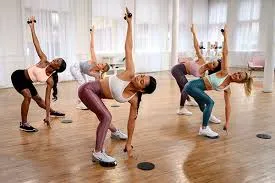
If you’ve ever wondered, can Pilates help you lose weight, you’re definitely not alone and you’re asking the right question.
Pilates might look calm and controlled, but don’t let that fool you; it can seriously work your muscles (and your patience).
This low-impact workout sneaks up on you, helping you burn calories while building long, lean strength.
It’s perfect if you want to move your body without jumping, sprinting, or hating every second of it.
Plus, Pilates improves posture, flexibility, and core strength So even when the scale moves slowly, your body still changes fast.
Let’s break down how Pilates fits into a real, sustainable weight-loss plan.
What is Pilates?
Pilates is a low-impact exercise method developed by Joseph Pilates in the early 20th century. Its primary goal is to strengthen the core muscles—abdominals, lower back, hips, and glutes—while improving posture, flexibility, and overall body awareness. Unlike traditional workouts that focus solely on burning calories or lifting heavy weights, Pilates emphasizes controlled, precise movements combined with mindful breathing. This mind-body connection helps you engage muscles more effectively, reduce the risk of injury, and develop long-term strength and stability.
There are several forms of Pilates, each offering unique benefits. Mat Pilates is performed on the floor using a mat and body weight for resistance, making it accessible for beginners and home workouts. Reformer Pilates uses specialized equipment with springs and pulleys, allowing for a more intense, full-body workout that can burn more calories and increase muscle definition. Clinical or therapeutic Pilates focuses on rehabilitation and strengthening weak areas, often guided by trained instructors.
Pilates is not just about building a strong core; it also targets other muscle groups, improving posture, balance, and flexibility. While it may not be as fast-paced as cardio, its ability to tone muscles, improve metabolism, and support sustainable fat loss makes it a valuable addition to any weight loss plan.
How Pilates Affects Weight Loss
Pilates can be an effective tool for weight loss, but understanding how it works is key. Unlike high-intensity workouts that focus primarily on burning calories, Pilates emphasizes controlled movements, strength, and flexibility. While the calorie burn during a typical Pilates session may be lower than running or cycling, it still contributes to a caloric deficit, which is essential for weight loss. On average, a 60-minute mat Pilates session can burn between 200–400 calories, depending on intensity, body weight, and experience level. Reformer or advanced classes can burn even more.
One of the biggest benefits of Pilates for weight loss is muscle toning. By engaging multiple muscle groups simultaneously, Pilates helps build lean muscle mass, which increases your resting metabolic rate—meaning you burn more calories even while at rest. Over time, this contributes to fat loss and a more toned, defined physique.
Pilates also enhances body awareness and posture, making everyday movements more efficient and encouraging better exercise habits. Strong core muscles support other workouts, including cardio or strength training, allowing you to push harder and burn more calories. While Pilates alone may not lead to rapid weight loss, combining it with a balanced diet and additional cardio can create a sustainable and effective fat-loss strategy.
Pilates vs Other Workouts for Weight Loss
When it comes to weight loss, Pilates offers unique benefits, but how does it compare to other popular forms of exercise?
Pilates vs Cardio: Cardio workouts like running, cycling, or HIIT are excellent for burning a high number of calories in a short time. A 30-minute run, for example, can burn 300–500 calories depending on intensity. Pilates, on the other hand, burns fewer calories per session but focuses on building lean muscle, improving flexibility, and enhancing posture. For sustainable weight loss, combining Pilates with cardio can provide the best of both worlds: fat burning plus toning.
Pilates vs Strength Training: Strength training with weights also builds muscle and boosts metabolism. Pilates achieves similar results using bodyweight and controlled resistance movements. While it may not bulk up muscles like heavy lifting, it creates long, lean muscle definition, which helps your body burn calories more efficiently over time.
Pilates + Other Workouts: Many fitness enthusiasts use Pilates as a complement to other exercises. For example, doing Pilates 2–3 times a week alongside cardio or strength training maximizes calorie burn, builds functional strength, and improves balance and flexibility. This combination can accelerate fat loss, reduce the risk of injury, and improve overall body composition.
In short, Pilates may not burn as many calories as high-intensity workouts, but its focus on core strength, muscle tone, and flexibility makes it an ideal addition to any weight loss plan. It supports long-term results by improving posture, strength, and movement efficiency—benefits that traditional cardio alone often cannot provide.
Benefits of Pilates Beyond Weight Loss
While Pilates can support weight loss, its benefits extend far beyond burning calories. One of the most notable advantages is improved core strength. A strong core stabilizes your body, reduces the risk of injury, and enhances overall athletic performance. This is particularly beneficial for people who spend long hours sitting or have a sedentary lifestyle, as Pilates strengthens muscles that often weaken over time.
Another key benefit is flexibility and mobility. Pilates stretches and lengthens muscles while simultaneously strengthening them, leading to better range of motion and joint health. This not only improves posture but also makes everyday movements easier and more efficient.
Stress reduction and mindfulness are additional perks. Pilates incorporates controlled breathing and focused movement, which can calm the mind, lower cortisol levels, and reduce stress-related weight gain. Many practitioners report feeling more relaxed and mentally clear after a session.
Pilates also helps with balance and coordination, which becomes increasingly important as we age. Enhanced stability can prevent falls and injuries, supporting a more active lifestyle.
Lastly, Pilates promotes body awareness, helping you identify and correct poor movement patterns. This improves performance in other workouts and daily activities, making your overall fitness journey safer and more effective.
In essence, Pilates is not just a weight-loss tool—it’s a holistic workout that strengthens the body, calms the mind, and improves overall well-being, making it an excellent long-term fitness choice.
How to Maximize Weight Loss with Pilates
Pilates can be an effective tool for weight loss, but to see the best results, it’s important to approach it strategically. Consistency is key. Practicing Pilates 3–5 times per week helps build lean muscle, improve posture, and increase metabolism over time. Skipping sessions or practicing irregularly may limit progress.
Combine Pilates with cardio or strength training. While Pilates tones muscles and supports metabolism, adding 20–30 minutes of cardio like brisk walking, running, or cycling can create a larger calorie deficit, accelerating fat loss. Strength training with weights or resistance bands can further boost metabolism and enhance the sculpting effects of Pilates.
Focus on intensity and variety. Advanced Pilates classes, reformer sessions, or workouts that incorporate small weights can burn more calories than basic mat exercises. Including exercises that engage multiple muscle groups simultaneously will maximize muscle activation and energy expenditure.
Pay attention to nutrition. Exercise alone is rarely enough for significant weight loss. A balanced diet, portion control, and adequate hydration are essential. Pilates can improve body awareness, which may help you make healthier food choices.
Track your progress. Keep note of changes in strength, flexibility, and body composition rather than focusing solely on the scale. Over time, improvements in muscle tone and posture will complement fat loss, giving a leaner and healthier appearance.
By combining Pilates with a smart exercise plan, proper nutrition, and consistency, you can make it a powerful component of your weight loss journey while also improving overall strength and well-being.
Who Should Try Pilates for Weight Loss
Pilates is suitable for a wide range of people, making it an ideal option for many looking to lose weight safely and effectively. Beginners who are new to exercise can benefit from Pilates because it’s low-impact and focuses on proper form and controlled movements. Unlike high-intensity workouts, it reduces the risk of injury while still building strength and improving flexibility.
People with joint pain or mobility issues may also find Pilates particularly helpful. Its low-impact nature means that even those with knee, hip, or back concerns can participate without putting undue stress on their joints. Reformer Pilates, which uses resistance equipment, can further enhance muscle engagement safely, helping individuals tone and strengthen without high-impact strain.
Pilates is also great for those aiming to tone their bodies and improve posture. Unlike traditional weightlifting that may bulk muscles, Pilates creates long, lean muscles, giving a sculpted, toned appearance. It’s especially effective for strengthening the core, which improves posture, balance, and overall movement efficiency—benefits that support weight loss indirectly by making other physical activities more effective.
Finally, anyone looking for a mind-body workout will enjoy Pilates. Its emphasis on breath control, focus, and body awareness not only enhances performance but can also reduce stress, which is often linked to weight gain.
In short, Pilates is ideal for beginners, people with joint issues, those focused on toning, and anyone who values a mindful, low-impact approach to fitness and weight loss.
Common Misconceptions About Pilates and Weight Loss
Many people have misconceptions about Pilates and its effectiveness for weight loss. One common belief is that Pilates alone can make you lose a lot of weight quickly. While Pilates tones muscles and helps improve metabolism, it doesn’t burn calories as rapidly as high-intensity cardio. Significant fat loss usually requires a combination of exercise, including cardio, strength training, and a healthy diet.
Another myth is that Pilates isn’t intense enough to help you lose weight. In reality, advanced Pilates exercises, especially those performed on a reformer, can challenge multiple muscle groups at once, increasing calorie burn and improving muscle tone. The controlled, precise movements also build lean muscle, which supports fat loss over time.
Some people also think that you don’t need any other workout if you do Pilates. While Pilates strengthens the core and tones the body, combining it with other forms of exercise—like cardio or strength training—produces the best results for weight loss.
Finally, there’s a misconception that Pilates only works for women or those already fit. Pilates is suitable for all genders, ages, and fitness levels. Modifications can make exercises easier or more challenging depending on individual needs.
Understanding these misconceptions helps set realistic expectations and encourages a more balanced approach to weight loss. Pilates is most effective when used as part of a comprehensive fitness plan that includes movement variety, nutrition, and consistency.
FAQs About Pilates and Weight Loss
1. Can Pilates replace cardio for weight loss?
Pilates alone can help tone muscles and support metabolism, but it typically burns fewer calories than cardio exercises like running or cycling. For faster fat loss, combining Pilates with cardio is recommended.
2. How long does it take to see results with Pilates?
Most people notice improvements in core strength, posture, and flexibility within 4–6 weeks of consistent practice. Visible weight loss or muscle definition may take 8–12 weeks, depending on diet, frequency, and workout intensity.
3. Is reformer Pilates better than mat Pilates for fat loss?
Reformer Pilates often burns more calories because it uses springs and resistance equipment, which increase intensity. Mat Pilates is still effective for beginners or home workouts, but adding resistance or advanced movements can enhance results.
4. Can Pilates help reduce belly fat?
While Pilates strengthens the core and tones abdominal muscles, spot reduction isn’t possible. Fat loss occurs throughout the body through a caloric deficit combined with consistent exercise, including Pilates.
5. How often should I do Pilates to lose weight?
Practicing Pilates 3–5 times per week is ideal for building strength, increasing metabolism, and supporting weight loss. Combining it with cardio or strength training maximizes results.
6. Is Pilates suitable for all fitness levels?
Yes! Pilates can be modified for beginners, advanced practitioners, or those with injuries. Its low-impact nature makes it accessible for a wide range of people while still providing an effective workout.
Conclusion
Pilates is more than just a gentle workout—it’s a powerful tool for building strength, improving flexibility, and supporting weight loss. While it may not burn as many calories as high-intensity cardio, its focus on controlled movements, core engagement, and lean muscle development makes it an excellent addition to any weight loss plan. Over time, consistent Pilates practice increases metabolism, improves posture, and creates a toned, sculpted physique.
To maximize the benefits, combine Pilates with other forms of exercise, such as cardio or strength training, and maintain a balanced diet. Tracking your progress in terms of strength, flexibility, and body composition—not just the scale—can provide a more complete picture of your results. Even small, consistent improvements add up over time, leading to long-term success in both fitness and overall health.
Pilates is also ideal for beginners, people with joint issues, or anyone looking for a mindful, low-impact workout. Its holistic approach strengthens the body, calms the mind, and improves daily movement patterns, making it a sustainable and enjoyable way to support weight loss.
Ultimately, Pilates isn’t just about losing pounds—it’s about transforming your body, improving your posture, and enhancing overall wellness. By incorporating Pilates into your routine, staying consistent, and combining it with smart nutrition and additional exercises, you can achieve a leaner, stronger, and healthier body while enjoying a workout that feels as good as it works.

Malcolm Gladwell is a celebrated American author, journalist, and storyteller known for his thought-provoking insights into human behavior and the hidden patterns that shape our lives. On Dreammaening.com, Malcolm brings his signature curiosity and analytical style to the fascinating world of dreams and symbolism.