
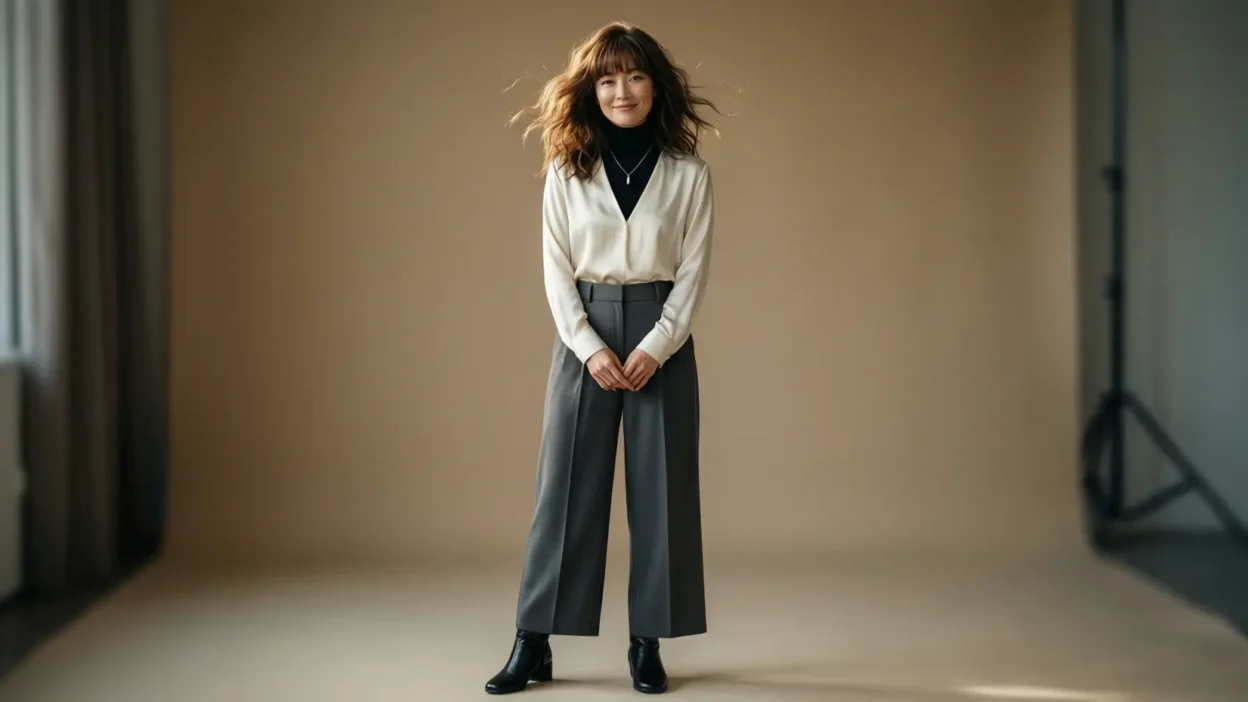
Have you ever wondered why curtain bangs are everywhere from celebrity red carpets to Instagram feeds? These effortlessly chic bangs have a way of transforming your look without needing a full haircut.
Curtain bangs are versatile, flattering, and perfect for almost any face shape or hair type, making them one of the most popular hairstyles today.
Whether you have straight, wavy, or curly hair, these bangs can frameyour face beautifully, soften your features, and give you a fresh, modern style.
In this guide, I’ll walk you through everything you need to know about curtain bangs from choosing the right style for your face shape to styling tips, maintenance secrets, and celebrity inspiration.
By the end, you’ll have all the tools to confidently rock curtain bangs and make them your signature look. Get ready to discover why this timeless hairstyle has captured hearts worldwide.
What Are Curtain Bangs?
Curtain bangs are a type of fringe that gently parts in the middle or slightly off-center, framing the face like a soft curtain. Unlike blunt or full bangs that cover the forehead completely, curtain bangs are designed to create a more natural, flowing look. They taper on the sides, blending seamlessly with the rest of your hair, which makes them incredibly versatile and easy to style.
Originating in the 1960s and popularized by icons like Jane Birkin, curtain bangs have seen a major comeback in recent years. Today, they are celebrated for their ability to suit almost every face shape and hair texture. Whether your hair is straight, wavy, or curly, curtain bangs can add a touch of elegance, softness, and dimension to your hairstyle.
What makes curtain bangs unique is their adaptability. You can wear them long, grazing your cheekbones, or short and wispy for a lighter, playful look. They can also be layered to add volume or left longer for a more dramatic effect. This flexibility is why celebrities and everyday fashion enthusiasts alike love them they’re a low-risk way to change up your look without committing to a full haircut.
In the following sections, we’ll explore who can wear curtain bangs, the different types available, and how to style and maintain them so that you can achieve the perfect, face-framing look every time.
Who Can Wear Curtain Bangs?
One of the best things about curtain bangs is their versatility they can complement almost every face shape and hair type. Whether your face is round, oval, heart-shaped, or square, there’s a curtain bang style that can highlight your features and balance your look.
For round faces, curtain bangs that start slightly longer near the cheeks can create the illusion of a slimmer face. Those with oval faces are lucky most curtain bang styles work beautifully, whether long, short, or layered. Heart-shaped faces benefit from curtain bangs that gently graze the cheekbones, softening the forehead and drawing attention to the eyes. Square faces look great with wispy or textured curtain bangs that soften the jawline and add a touch of femininity.
Curtain bangs are also incredibly adaptable to different hair textures. Straight hair allows for a sleek, polished look, while wavy hair adds effortless volume and movement. Curly hair can carry curtain bangs too, but may require longer lengths and layering to prevent heaviness. Even thin or fine hair can rock curtain bangs just opt for wispy or feathered cuts that create a fuller appearance.
The beauty of curtain bangs is that they aren’t limited by age or lifestyle. They can suit professional settings, casual outings, or bold fashion statements. With the right cut and styling, anyone can confidently wear curtain bangs and enjoy a fresh, flattering hairstyle that frames the face naturally.
Types of Curtain Bangs
Curtain bangs come in a variety of styles, making it easy to find a look that suits your face shape, hair texture, and personal style. Understanding the different types can help you choose the perfect curtain bangs for your next haircut.
1. Long Curtain Bangs: These bangs typically reach the cheekbones or jawline and are perfect for those who want a subtle change without committing to a short fringe. Long curtain bangs work well with layers and can blend seamlessly into longer hairstyles.
2. Short Curtain Bangs: Short curtain bangs usually sit just above the eyebrows. They create a youthful, playful look and are great for adding texture and dimension to your hair. Short curtain bangs work especially well on oval and heart-shaped faces.
3. Layered Curtain Bangs: Layered curtain bangs are versatile and can add volume, movement, and softness to your hairstyle. Layers can make thick hair lighter and more manageable while giving thin hair a fuller appearance.
4. Wispy Curtain Bangs: Wispy curtain bangs are delicate and feathered, offering a soft, airy look. They are ideal for those who want a low-maintenance, effortlessly chic style that still frames the face beautifully.
5. Curly or Textured Curtain Bangs: For curly or wavy hair, curtain bangs can be styled to enhance natural texture. Longer lengths with layers help maintain bounce and prevent heaviness, while textured cuts allow for a carefree, voluminous look.
No matter your hair type or face shape, there’s a curtain bang style that can enhance your features and elevate your hairstyle. Choosing the right type ensures a flattering, face-framing effect that looks natural and stylish.
How to Style Curtain Bangs
Styling curtain bangs is easier than you might think, and their versatility makes them perfect for both casual and formal looks. One of the advantages of curtain bangs is that they can be worn sleek and polished, tousled and textured, or even tucked behind the ears for a soft, effortless vibe.
For a sleek, polished look, use a round brush while blow-drying your bangs. Direct the hair outward from the center part, creating that signature curtain effect that frames your face. A flat iron can help smooth any frizz or waves, but keep heat low to protect hair health.
If you prefer a natural, textured style, embrace your hair’s natural movement. Light styling products like mousse, texturizing spray, or sea salt spray can enhance volume and definition. For wavy or curly hair, scrunching the bangs lightly while drying adds bounce and body without weighing them down.
Curtain bangs can also be styled for special occasions. Use curling irons or straighteners to create soft waves or slight curls for a glamorous finish. You can even pin back one side for an asymmetrical, playful look.
Finally, don’t forget daily care: keeping your bangs fresh and manageable is key. Dry shampoo is a lifesaver for oily roots, while lightweight serums prevent frizz. With the right techniques and products, curtain bangs can look effortless, polished, and chic every day.
Curtain Bangs Maintenance
Maintaining curtain bangs is key to keeping them looking fresh, flattering, and healthy. While they are versatile and low-risk compared to full bangs, regular care ensures your hairstyle remains effortless and face-framing.
Trimming: Curtain bangs need trimming every 4–6 weeks to maintain their shape. You can either visit a professional stylist or do minor trims at home with sharp, precise scissors. Always trim a small amount at a time to avoid cutting too short. For layered or wispy curtain bangs, regular trims help maintain volume and prevent the ends from looking uneven.
Hair Products: Choosing the right products can make styling easier and extend the life of your curtain bangs. Lightweight serums or smoothing creams prevent frizz and flyaways, while dry shampoo helps manage oiliness at the roots. Texturizing sprays and mousses can enhance natural volume, especially for fine or thin hair.
Daily Care: Blow-drying your bangs with a round brush keeps them shaped and bouncy. Avoid sleeping with damp bangs to prevent creasing, and use silk or satin pillowcases to reduce friction. For curly or wavy hair, scrunching with a light styling cream can help maintain natural texture without weighing the bangs down.
Seasonal Tips: Humidity can cause curtain bangs to frizz, so anti-frizz sprays are a must in summer. In colder months, moisturizing serums can prevent dryness and keep the bangs soft. With consistent care, curtain bangs can stay stylish, healthy, and effortlessly chic all year round.
Curtain Bangs for Different Hair Lengths
One of the best things about curtain bangs is their adaptability they can complement any hair length, whether short, medium, or long. The key is to adjust the cut and styling to suit your overall hairstyle and face shape.
For short hair, curtain bangs can add dimension and softness to pixie cuts or bobs. Short curtain bangs grazing the eyebrows create a playful, youthful look, while slightly longer side-swept layers can balance sharper jawlines. They blend beautifully with layered short cuts, adding texture and movement without overwhelming the face.
With medium-length hair, curtain bangs become a versatile styling tool. They can seamlessly blend into shoulder-length hair, giving the illusion of longer, more flowing layers. Medium-length curtain bangs allow for both sleek, professional looks and casual, tousled styles. Styling is simple blow-dry with a round brush for volume or leave naturally wavy for a relaxed, effortless effect.
For long hair, curtain bangs add structure and face-framing without taking away from the length. Long curtain bangs that reach the cheekbones or jawline create a soft, elegant frame for the face. They work particularly well with layers, allowing hair to flow naturally while highlighting facial features. Curly or wavy long hair pairs beautifully with curtain bangs, giving a romantic, bohemian vibe.
No matter your hair length, curtain bangs can elevate your hairstyle, providing a flattering frame for your face and enhancing your overall look. The key is choosing the right length, layering, and styling technique to match your personal style.
Curtain Bangs Inspiration
Curtain bangs have been a favorite among celebrities, influencers, and fashion enthusiasts for decades. From Hollywood red carpets to Instagram feeds, these bangs have proven their timeless appeal and versatility.
Celebrity Looks: Stars like Jennifer Aniston, Alexa Chung, and Brigitte Bardot have made curtain bangs iconic. Jennifer Aniston’s soft, layered curtain bangs complemented her face shape perfectly, giving her that effortlessly chic look. Brigitte Bardot popularized the style in the 1960s, inspiring countless modern variations. Today, influencers and models continue to reinvent the style, showing how curtain bangs can suit any hair type or length.
Fashion Trends: Curtain bangs are not just about hairstyle they are a fashion statement. They pair beautifully with layered cuts, beachy waves, straight styles, and even updos. Social media platforms like Instagram and Pinterest showcase countless curtain bangs inspirations, from sleek and polished to messy and textured looks. These trends make it easy to find a style that matches your personality and lifestyle.
Styling Ideas: Curtain bangs are highly versatile. For a casual day, leave them tousled and textured with minimal styling. For a formal event, blow-dry them smooth or add soft curls for a glamorous effect. You can also experiment with parting them slightly off-center or pinning one side for an asymmetrical, edgy look.
By drawing inspiration from celebrities and social media trends, you can customize your curtain bangs to reflect your unique style while staying on-trend. The beauty of curtain bangs lies in their adaptability, allowing everyone to experiment and find a look that’s both flattering and fashionable.
Pros and Cons of Curtain Bangs
Curtain bangs are one of the most versatile and stylish hairstyles, but like any look, they come with both advantages and considerations. Understanding these can help you decide if curtain bangs are right for you.
Pros:
One of the biggest benefits of curtain bangs is their face-framing ability. They soften features, highlight cheekbones, and can balance different face shapes. Their versatility is another advantage they work on straight, wavy, curly, thick, and thin hair, and they pair beautifully with any hair length. Curtain bangs are also low-risk compared to full bangs, as they grow out gracefully and can be pinned back or styled differently when needed. Additionally, they add dimension and texture to your hairstyle, making it look more polished and intentional.
Cons:
On the flip side, curtain bangs require regular maintenance. They need trimming every 4–6 weeks to retain their shape, which can be time-consuming. Styling can also be a challenge for some hair types, particularly very curly or frizzy hair, which may require extra effort or products to achieve the desired look. Oily hair can make bangs appear flat or greasy quickly, necessitating dry shampoo or more frequent washing. Finally, while they suit most face shapes, the wrong length or thickness can overwhelm features, so proper consultation with a stylist is essential.
Overall, the pros of curtain bangs versatility, style, and flattering effects often outweigh the cons. With proper care and the right cut for your hair type, curtain bangs can be a timeless, elegant, and stylish choice that enhances your overall look.
Curtain Bangs and Hair Health
While curtain bangs are stylish and versatile, maintaining healthy hair is essential to ensure they look their best. Improper care or excessive styling can lead to damage, frizz, or split ends, which can ruin the soft, face-framing effect of curtain bangs.
Avoiding Heat Damage: Frequent use of flat irons, curling wands, or blow dryers can weaken hair over time. To protect your bangs, always use a heat protectant spray before styling and try to keep the temperature moderate. For naturally wavy or curly hair, consider air-drying or using a diffuser to minimize heat exposure.
Using the Right Products: Lightweight serums, smoothing creams, and leave-in conditioners help maintain shine and reduce frizz without weighing down the hair. For oily roots, dry shampoo is a lifesaver, keeping curtain bangs fresh between washes. Texturizing sprays or mousses can also add volume and movement, especially for fine or thin hair.
Regular Trims: Even healthy hair needs regular maintenance. Trimming curtain bangs every 4–6 weeks keeps them in shape, prevents split ends, and ensures they frame your face perfectly. Avoid cutting too much at once; gradual trims maintain the natural flow.
Lifestyle and Seasonal Care: Hair health is also influenced by diet, hydration, and environmental factors. Humidity can cause frizz, so anti-frizz sprays are helpful in summer, while moisturizing serums protect against winter dryness.
By prioritizing hair health alongside styling, your curtain bangs will not only look chic but also remain soft, shiny, and manageable, giving you a polished and effortless hairstyle every day.
FAQs
Curtain bangs are popular, but many people have questions before committing to this versatile hairstyle. Here are some of the most common queries and answers to help you make an informed decision.
1. Can curtain bangs be grown out easily?
Yes! One of the advantages of curtain bangs over full bangs is their gradual grow-out. Because they are parted in the middle and blend with the rest of your hair, they can be styled in layers or tucked behind the ears as they grow.
2. Are curtain bangs suitable for all hair types?
Absolutely. Straight, wavy, curly, thick, and thin hair can all carry curtain bangs. However, styling methods may differ depending on your hair texture. For curly hair, longer or layered curtain bangs work best, while fine hair may benefit from wispy or feathered cuts.
3. Can men wear curtain bangs?
Yes! Curtain bangs are gender-neutral and can complement a variety of masculine and androgynous hairstyles. They’re a stylish way to frame the face without committing to a full fringe.
4. How often should I trim curtain bangs?
To maintain their shape and face-framing effect, curtain bangs should be trimmed every 4–6 weeks. Minor at-home trims are possible, but visiting a stylist ensures precise results.
5. What products are recommended for curtain bangs?
Lightweight serums, smoothing creams, dry shampoo, and texturizing sprays are ideal. They help maintain shape, reduce frizz, and add volume without weighing the bangs down.
These FAQs cover the most common concerns, helping you style, maintain, and enjoy curtain bangs with confidence.
Tips from Experts
Hairstylists and beauty experts agree that curtain bangs are one of the most versatile and flattering hairstyles but achieving the perfect look requires some insider knowledge.
1. Consult a stylist first: Curtain bangs may seem simple, but the right length, thickness, and layering are crucial for your face shape and hair type. Experts recommend bringing reference photos to ensure you and your stylist are on the same page.
2. Avoid cutting too short: One of the most common mistakes is cutting curtain bangs too short. Experts advise starting longer and gradually trimming to the desired length. This approach allows for more styling flexibility and a natural grow-out.
3. Customize for your hair texture: Stylists emphasize adapting curtain bangs to your hair’s natural texture. For fine hair, feathered or wispy bangs add volume. Curly or wavy hair benefits from longer, layered cuts that prevent heaviness and maintain bounce.
4. Use the right tools and products: Professionals suggest using a round brush for blow-drying, lightweight serums to reduce frizz, and texturizing sprays to enhance movement. Heat protection is essential to prevent damage, especially with frequent styling.
5. Experiment with parting and styling: Curtain bangs aren’t one-size-fits-all. Slightly off-center parts, pinning one side, or curling the ends can personalize the look. Experts recommend experimenting with styles to find what best complements your face shape and lifestyle.
By following these expert tips, you can avoid common mistakes, maintain healthy hair, and enjoy a curtain bang style that enhances your features and expresses your personality. The right cut, care, and styling routine will ensure your bangs remain effortless, chic, and flattering.
Final Thoughts
Curtain bangs are more than just a hairstyle they are a timeless, versatile trend that can transform your look with minimal commitment. From soft, wispy fringes to bold, layered cuts, curtain bangs offer endless styling possibilities for every hair type, length, and face shape. They have the unique ability to frame the face, highlight your features, and add dimension to your overall hairstyle, making them a favorite among celebrities, fashion icons, and everyday style enthusiasts alike.
Maintaining curtain bangs requires a balance of care, styling, and the right products. Regular trims, lightweight serums, dry shampoo, and proper blow-drying techniques can keep your bangs looking fresh and polished. Whether your hair is straight, wavy, or curly, adapting the cut and styling routine to your hair type ensures a flattering, effortless look.
One of the most appealing aspects of curtain bangs is their adaptability they grow out gracefully, can be pinned back, or styled differently to suit any occasion. By consulting a stylist, experimenting with different lengths and textures, and following expert care tips, you can enjoy a hairstyle that is both modern and classic.
Ultimately, curtain bangs are a fun, stylish way to reinvent your look without drastic changes. They offer versatility, elegance, and face-framing benefits that enhance your natural beauty. With the right cut, care, and styling, you can confidently embrace curtain bangs and make them your signature hairstyle, reflecting both personality and timeless style.
Joan Didion is a passionate writer at DreamMaening.com, exploring the hidden meanings behind dreams, symbols, and life’s mysteries with clarity and insight.