
Have you ever come across the word cutwater and felt curious about what it truly means or why it’s still relevant today? You’re not alone and you’re in the right place.
I’ve spent years studying design concepts, symbolism, and practical structures, and in this guide, I’ll walk you through cutwater in a way that’s clear, engaging, and genuinely useful.
At its core, a cutwater is designed to cut through resistance, whether that resistance is moving water, structural pressure, or even metaphorical obstacles.
From ancient ships slicing through rough seas to bridge piers standing firm against powerful currents, the cutwater has quietly shaped how humans move forward literally and symbolically.
In this article, we’ll explore the true meaning of cutwater, how it works, where it’s used today, and why it represents progress, strength, and smooth movement through life’s challenges. By the end, you won’t just understand the term you’ll see why it still matters.
What Is a Cutwater?
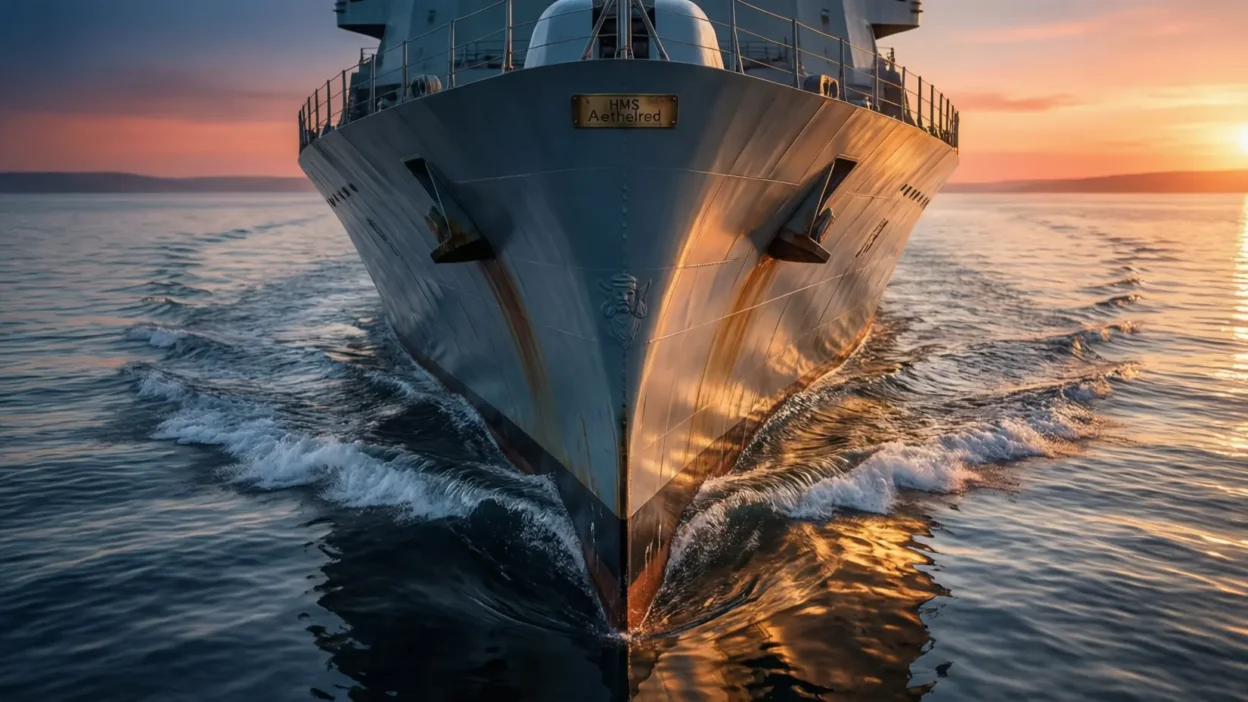
A cutwater is a specially designed structural feature created to split, deflect, or reduce resistance from moving water. In its simplest form, it is the pointed or angled part of a structure most commonly found on the bow of a boat or the upstream side of a bridge pier that allows water to flow smoothly around it instead of crashing directly against it.
In nautical design, a cutwater helps a vessel move efficiently through water by dividing waves and minimizing drag. Rather than forcing the boat to push water aside with brute force, the cutwater guides the flow, improving speed, balance, and fuel efficiency. This design has been used for centuries, from early wooden ships to modern engineered vessels.
In architecture and civil engineering, a cutwater serves a protective role. On bridges, it is often built as a triangular or curved extension on piers to break strong currents, reduce erosion, and prevent debris buildup. Without a cutwater, constant water pressure could weaken the structure over time.
Beyond its physical definition, the term cutwater is also used conceptually. It represents the idea of cutting through obstacles, moving forward smoothly, and overcoming resistance with smart design rather than force. This is why the word is often associated with strength, progress, and efficiency.
Whether practical or symbolic, a cutwater is ultimately about control, direction, and forward motion making it a small design element with a powerful impact.
Origin and History of the Term Cutwater
The term cutwater has deep historical roots, closely tied to humanity’s earliest relationship with water travel and construction. Linguistically, the word comes from the simple idea of cutting through water, combining function and purpose into a single, descriptive term. Long before modern engineering principles existed, early shipbuilders understood that shaping the front of a vessel to divide water would make travel faster, safer, and more controlled.
In ancient maritime cultures such as the Phoenicians, Greeks, and Vikings the concept of a cutwater was already in use, even if it wasn’t formally named. The pointed bows of their ships allowed them to navigate rough seas, long voyages, and narrow waterways more effectively. These early designs laid the foundation for what we now recognize as hydrodynamic efficiency.
As civilizations expanded, the use of cutwaters moved beyond ships and into architecture. During the Middle Ages, bridge builders across Europe incorporated cutwaters into stone piers to withstand powerful river currents and seasonal flooding. These structures were not only functional but often decorative, reflecting craftsmanship and status.
By the Industrial Revolution, the cutwater became a standard element in civil and marine engineering. Advances in mathematics and fluid dynamics refined its shape and placement. Today, while materials and technology have evolved, the core principle remains unchanged: guiding water intelligently rather than resisting it blindly. The cutwater stands as a timeless example of design shaped by experience, observation, and necessity.
Cutwater in Nautical and Marine Design
In nautical and marine design, the cutwater plays a critical role in how a vessel interacts with water. It is typically located at the very front of a boat or ship, forming the leading edge of the bow. Its primary purpose is to divide the water cleanly, allowing the vessel to move forward with reduced resistance and greater control.
When a boat without an effective cutwater moves through water, it pushes water outward and upward, creating excessive drag and instability. A well-designed cutwater, however, slices through waves and channels water along the hull. This improves speed, fuel efficiency, and overall performance, especially in rough or fast-moving waters.
Cutwaters are especially important in larger ships, where water pressure increases with size and speed. Cargo vessels, naval ships, and fishing boats all rely on carefully shaped cutwaters to maintain balance and reduce strain on the hull. Even small boats benefit from this design, as it helps maintain smoother navigation and predictable handling.
Modern marine engineering uses advanced modeling and testing to perfect cutwater shapes. Engineers analyze water flow, wave patterns, and resistance levels to create bows that perform efficiently under different conditions. Materials such as reinforced steel, aluminum, and composite structures are now used to enhance durability without compromising performance.
Beyond performance, the cutwater also contributes to safety. By controlling how water moves around the vessel, it reduces the impact of waves and helps prevent water from crashing directly onto the deck. In essence, the cutwater is a silent but powerful feature that transforms raw force into controlled motion, enabling vessels to travel farther, safer, and more efficiently.
Cutwater in Architecture and Structural Engineering
In architecture and structural engineering, a cutwater is most commonly seen on bridge piers and river-facing structures, where it serves as a vital protective element. Positioned on the upstream side, the cutwater is designed to split flowing water before it strikes the main body of the structure. This reduces direct pressure, minimizes turbulence, and helps preserve the integrity of the foundation.
Rivers and waterways can exert immense force, especially during floods or seasonal surges. Without a cutwater, fast-moving water would continuously batter a flat pier surface, increasing the risk of erosion and structural fatigue. The angled or pointed shape of a cutwater redirects water smoothly around the pier, lowering stress and extending the lifespan of the structure.
Cutwaters also play an important role in debris management. Floating logs, ice, and sediment carried by strong currents are more likely to slide past a cutwater than become trapped against a flat surface. This prevents blockages that could otherwise increase water pressure and cause damage over time.
Historically, cutwaters were crafted from stone and often featured decorative elements, especially in medieval bridges. While modern designs prioritize efficiency and strength, aesthetics still matter. Some contemporary structures blend functional cutwaters with visually appealing forms, integrating them seamlessly into the overall design.
From a safety perspective, cutwaters contribute to stability during extreme weather events. By controlling water flow and reducing scouring around foundations, they help prevent sudden failures. In this way, the architectural cutwater stands as a quiet guardian rarely noticed, yet essential for protecting structures against the relentless power of moving water.
Cutwater as a Symbolic and Conceptual Meaning
Beyond its physical and technical applications, the cutwater carries a strong symbolic and conceptual meaning. This idea has made the term powerful not only in engineering but also in language, philosophy, and modern branding.
Symbolically, a cutwater stands for progress, resilience, and direction. Just as it divides water to allow smooth movement, it reflects the human capacity to navigate challenges by adapting and designing smarter paths forward. Instead of pushing blindly against obstacles, the cutwater teaches the value of precision, preparation, and balance.
In literature and metaphorical use, a cutwater can signify leadership or innovation something that goes first, breaks resistance, and makes the path easier for others to follow. This is why the term is often associated with pioneers, trendsetters, and forward-thinking ideas. It suggests momentum and confidence without unnecessary force.
On a personal level, many people resonate with the cutwater concept as a life principle. It can symbolize emotional strength, clarity of purpose, or the ability to handle pressure gracefully. When challenges arise, the “cutwater mindset” emphasizes facing them with structure and intention rather than chaos.
In modern culture, brands and creative projects adopt the word cutwater to convey strength, flow, and efficiency. The symbolism appeals because it is universal everyone understands resistance, and everyone values smooth progress. In this way, the cutwater becomes more than a design feature; it becomes a metaphor for moving through life with purpose and control.
Cutwater in Modern Branding and Cultural Usage
In the modern world, the term cutwater has moved beyond engineering and entered the realms of branding, culture, and identity. Many companies and creative projects adopt this word because it instantly conveys ideas of strength, forward motion, and refined efficiency. The name itself feels purposeful suggesting something that leads, breaks resistance, and sets a smooth path ahead.
From a branding perspective, cutwater appeals because it blends power with control. Unlike aggressive or force-heavy terms, it implies intelligence and precision. This makes it especially attractive to brands that want to represent innovation, confidence, and momentum without chaos. The word also carries a subtle nautical heritage, which adds depth, authenticity, and a sense of exploration.
Culturally, cutwater resonates with modern audiences who value progress and adaptability. In an era defined by rapid change and constant pressure, the idea of moving smoothly through challenges feels relatable. The cutwater becomes a symbol of navigating complexity with skill rather than stress.
The term is also used in creative writing, media, and thought leadership as a metaphor for new movements or ideas that shift the current direction. A “cutwater idea” is often one that goes first challenging norms and opening space for others to follow.
Because of its layered meaning, cutwater works well across industries, from design and technology to lifestyle and storytelling. It is short, memorable, and emotionally grounded. This versatility explains why the word continues to grow in relevance, proving that a concept rooted in ancient design can still shape modern expression and cultural identity.
Practical Benefits of a Cutwater
The cutwater is not just a design or symbolic element it offers tangible, practical benefits in both marine and structural contexts. Its primary advantage is reducing resistance, allowing vessels and structures to interact with water more efficiently. This is particularly important for large ships, which would otherwise expend far more fuel to move through water.
In addition to improving efficiency, cutwaters enhance safety and control. On boats, a well-shaped cutwater reduces the impact of waves on the hull and deck, making navigation smoother and less hazardous. This helps extend the lifespan of these structures while reducing maintenance costs over time.
Cutwaters also contribute to balance and stability. By managing water flow effectively, they prevent sudden shifts or rocking caused by turbulence, which can be dangerous in both marine and civil engineering applications. In smaller boats, even subtle cutwater design changes can improve handling and responsiveness, making them safer and easier to maneuver.
Finally, cutwaters offer long-term economic and operational benefits. By reducing stress on structures and vessels, they lower the risk of damage, reduce maintenance needs, and improve overall efficiency. Whether in boats, bridges, or other water-facing structures, the cutwater proves that small design elements can produce significant practical advantages, combining performance, safety, and durability in one elegant solution.
Cutwater vs Similar Terms
Although the cutwater is a well-defined element in engineering and design, it is often confused with other nautical or structural terms. Clarifying these differences helps understand its unique function and importance.
First, consider the cutwater versus the keel. While both are integral to a boat’s movement, they serve distinct purposes. The cutwater is located at the front of the vessel, guiding water around the hull to reduce resistance. The keel, on the other hand, runs along the bottom of the boat and provides stability, preventing sideways drift and maintaining balance. Both work together, but the cutwater focuses on water flow while the keel focuses on structural stability.
Another commonly confused term is the prow or bow. The bow refers to the very front of the ship, and the cutwater is often part of this area, specifically shaped to split water efficiently. Not all bows have a pronounced cutwater, but every cutwater exists at the bow. This distinction is critical for designers and engineers when optimizing vessels for performance.
In architectural contexts, the cutwater is sometimes mistaken for general pier extensions or water deflectors. Unlike simple pier projections, a cutwater is precisely angled or pointed to redirect water and minimize pressure on the main structure.
Understanding these differences is essential for anyone studying marine engineering, bridge construction, or historical architecture. It ensures accurate communication, correct application of design principles, and a better appreciation of how subtle features like the cutwater can dramatically improve efficiency, safety, and durability.
By distinguishing the cutwater from similar terms, we recognize it not just as part of a structure, but as a specialized tool for managing water flow intelligently.
Where You Commonly See Cutwaters Today
Cutwaters are more than just historical or nautical features they remain highly relevant in modern design, engineering, and even cultural contexts. Their presence is widespread, appearing in areas ranging from marine vessels to architectural structures and even branding.
In the marine world, cutwaters are standard on almost every type of boat or ship. Cargo ships, naval vessels, fishing boats, and recreational yachts all benefit from cutwaters that reduce drag, improve speed, and increase fuel efficiency. Smaller boats also use subtle cutwater designs to improve handling in rivers, lakes, and coastal waters. Even modern high-speed ferries rely heavily on carefully engineered cutwater shapes to optimize stability at high velocities.
Bridges and river-facing structures continue to incorporate cutwaters as well. Modern bridge piers often feature angled or pointed upstream cutwaters, helping to manage water flow, prevent erosion, and reduce damage from debris during floods or heavy currents. Some city planners even integrate these structures into urban aesthetics, blending functionality with visual appeal.
Interestingly, the term cutwater has also found its way into branding and product design. Companies seeking to convey strength, efficiency, or forward motion adopt the name for products, businesses, and creative projects. It suggests innovation and smooth navigation through challenges, resonating with audiences who value progress and resilience.
From historical ships to contemporary engineering projects and cultural usage, cutwaters remain a versatile and meaningful concept. They are a testament to the enduring power of smart design, demonstrating how a simple, pointed structure can influence efficiency, safety, and symbolism across centuries and industries.
Why Understanding Cutwater Matters
Understanding the concept of a cutwater is valuable for more than just engineers or boat enthusiasts it has applications for anyone interested in design, symbolism, and practical problem-solving.
For designers and engineers, knowing how cutwaters function can inform better decisions in shipbuilding, bridge construction, and water-facing structures. It emphasizes that small design elements, when strategically implemented, can significantly improve performance, durability, and safety. Ignoring such details could lead to increased wear, inefficiency, and potential hazards.
For boat owners or enthusiasts, understanding cutwaters explains why certain hulls handle better in rough waters, why vessels move more efficiently, and why some designs are historically considered superior. It fosters an appreciation for centuries of engineering evolution and the wisdom embedded in traditional design choices.
Beyond the technical world, the cutwater holds symbolic value. It represents resilience, direction, and the ability to navigate obstacles with precision rather than brute force. Recognizing this can inspire personal or professional growth, encouraging individuals to approach challenges strategically and thoughtfully.
Even for casual readers, understanding cutwater enriches knowledge of history, architecture, and nautical innovation. It connects the past to the present, showing how a simple concept designed to split water remains relevant across centuries, industries, and cultures.
FAQs
Even though the cutwater is a common feature in nautical and architectural design, many people have questions about its function, purpose, and relevance. Addressing these frequently asked questions can help clarify its importance and practical applications.
1. What is the main purpose of a cutwater?
The primary purpose of a cutwater is to split and redirect water, reducing resistance on boats or structural pressure on piers and foundations. It allows smoother movement, improves efficiency, and protects the structure from erosion or damage.
2. Is cutwater only used in boats?
No. While it is most commonly associated with ships and boats, cutwaters are also widely used in bridge piers, dams, and other water-facing structures. Anywhere water exerts pressure or moves rapidly, cutwaters can be implemented to manage flow.
3. How does a cutwater improve vessel performance?
By channeling water around the hull instead of allowing it to crash directly, cutwaters reduce drag, enhance stability, and improve fuel efficiency. This design allows ships to move faster while using less energy and maintaining smoother handling.
4. Can cutwater have symbolic meaning?
Yes. Beyond its physical function, the cutwater symbolizes progress, resilience, and the ability to overcome obstacles. In literature, branding, and personal development, it often represents moving forward intelligently and efficiently.
5. Is cutwater still relevant today?
Absolutely. Modern engineering and naval design continue to rely on cutwaters, often enhanced with advanced materials and precise shapes, proving that this centuries-old concept remains essential for both safety and performance.
Real-Life Examples of Cutwater in Action
The concept of the cutwater is not just theoretical it can be seen clearly in real-life applications, from historic vessels to modern engineering marvels. These examples demonstrate how a simple design element can have a profound impact on performance, safety, and longevity.
In maritime history, Viking longships are a classic example. Their sharply pointed bows functioned as rudimentary cutwaters, allowing these ships to glide efficiently through rivers and coastal waters. Similarly, the clipper ships of the 19th century featured highly engineered bows designed to minimize water resistance and maximize speed across the oceans. These historical vessels illustrate how early innovators recognized the power of cutting through water with precision.
In modern naval and commercial ships, cutwaters are essential for performance. Cargo ships, ferries, and military vessels rely on finely tuned cutwater designs to reduce drag, maintain stability, and handle rough seas safely. Some high-speed ferries incorporate bulbous bows with cutwater principles, combining hydrodynamic efficiency with fuel savings.
Cutwaters are equally important in civil engineering projects. Bridges over fast-flowing rivers often include triangular or angled cutwaters on their piers to manage water flow, prevent erosion, and deflect debris. The iconic Pont Neuf bridge in Paris, for example, integrates functional cutwaters that have helped preserve its structure for centuries.
Even in modern design and branding, companies adopt the cutwater concept metaphorically, naming products or projects to symbolize smooth progress, resilience, and leadership.
These real-life examples prove that the cutwater is more than a technical feature it is a timeless solution that merges efficiency, protection, and symbolism, showing how thoughtful design can stand the test of time.
Conclusion
The cutwater is a fascinating example of how simple design can have a profound impact, both in practical and symbolic terms.
From its origins in ancient maritime engineering to modern applications in bridges, vessels, and even branding, the cutwater demonstrates the enduring value of thoughtful, efficient design.
By guiding water smoothly around a structure or vessel, it reduces resistance, improves performance, and protects against damage.
Beyond its physical function, the cutwater carries symbolic meaning. It represents resilience, forward motion, and the ability to navigate obstacles with intelligence rather than force.
This combination of practicality and symbolism is what makes the cutwater such a compelling topic for engineers, designers, historians, and even creative thinkers.
Understanding the cutwater also provides insight into broader principles of problem-solving and design thinking. Small, carefully considered features can dramatically improve outcomes, whether in nautical design, civil engineering, or personal approaches to challenges.
Recognizing the cutwater’s role encourages us to appreciate both the details and the larger systems in which they operate.
Whether you encounter a cutwater on a ship slicing through waves, a bridge pier deflecting river currents, or in the metaphorical language of progress, it is a reminder of the power of intelligent design.
Its relevance across centuries and disciplines proves that sometimes the simplest solutions pointed, strategic, and purposeful are the most effective.
By understanding cutwater, you gain not only technical knowledge but also a new perspective on how efficiency, resilience, and foresight can shape our world literally and figuratively.

Malcolm Gladwell is a celebrated American author, journalist, and storyteller known for his thought-provoking insights into human behavior and the hidden patterns that shape our lives. On Dreammaening.com, Malcolm brings his signature curiosity and analytical style to the fascinating world of dreams and symbolism.