
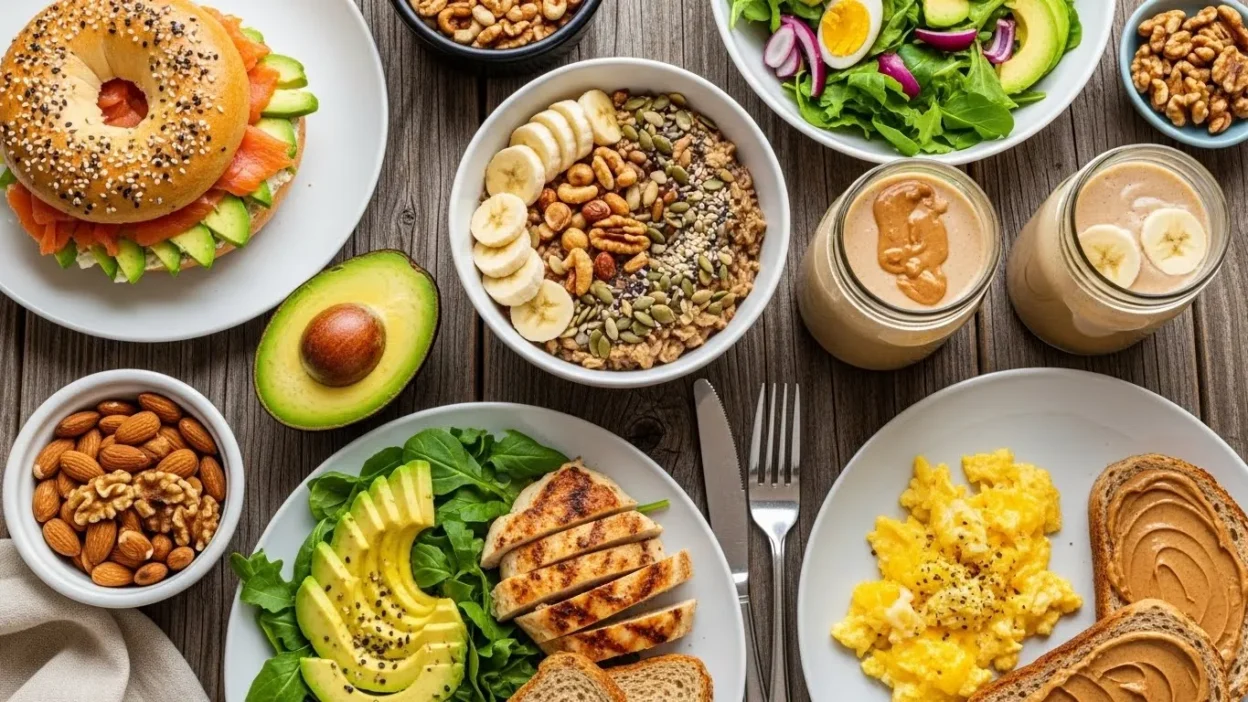
Gaining weight in a healthy way can be challenging, especially for people with a fast metabolism, low appetite, or busy lifestyles.
Many assume that eating junk food is the easiest solution, but unhealthy choices often lead to poor digestion, low energy, and unwanted fat gain.
The key to successful weight gain is focusing on nutrient-dense foods that provide the right balance of calories, protein, healthy fats, and carbohydrates.
Choosing the correct foods to eat to gain weight helps your body build muscle, improve strength, and maintain overall health rather than just increasing numbers on the scale.
You are naturally skinny, recovering from illness, or trying to bulk up, a smart food strategy makes all the difference.
In this guide, you’ll discover the best foods for healthy weight gain, how they support your body, and practical tips to include them in your daily diet for long-term results.
When you’re ready, tell me the next section, and I’ll write it 👍
Understanding Healthy Weight Gain
Healthy weight gain is not just about eating more food—it’s about eating the right kinds of food in the right amounts. Many people try to gain weight by increasing junk food intake, but this often leads to poor digestion, low energy, and unhealthy fat accumulation. True healthy weight gain focuses on improving body composition by adding muscle mass and balanced body fat, not just increasing scale weight.
At its core, weight gain happens when you consume more calories than your body burns, known as a calorie surplus. However, the quality of those calories matters. Foods rich in complex carbohydrates, high-quality protein, and healthy fats provide long-lasting energy and support muscle growth, hormone balance, and overall health. Protein plays a key role in repairing and building muscle tissue, while carbohydrates fuel workouts and daily activities. Healthy fats add concentrated calories, making it easier to stay in a surplus without feeling overly full.
Another important factor is metabolism. Some people naturally burn calories faster, which makes weight gain harder even when they eat frequently. For such individuals, choosing calorie-dense and nutrient-rich foods becomes essential. Instead of large volumes of low-calorie foods, smaller portions of high-calorie foods can make a big difference.
Healthy weight gain also requires consistency and patience. Results don’t happen overnight. When combined with proper strength training, adequate sleep, and regular meals, the right food choices help you gain weight steadily, safely, and sustainably—while improving strength, appearance, and overall well-being.
Say NEXT again, and I’ll continue with the following section 💪
How Many Calories Do You Need to Gain Weight
To gain weight effectively, you must consume more calories than your body burns each day. This is known as a calorie surplus, and it is the foundation of all weight gain. However, many people struggle because they either underestimate how many calories they need or overestimate how much they are actually eating. Simply eating “more” is often not enough without understanding your calorie requirements.
Your daily calorie needs depend on several factors, including age, gender, height, weight, activity level, and metabolism. The calories your body needs to maintain its current weight are called maintenance calories. To gain weight, you typically need an additional 300 to 500 calories per day above maintenance. This slow and steady surplus helps you gain weight without excessive fat gain. For faster weight gain, some people increase their intake by 700–1,000 calories, but this should be done carefully.
One common mistake is relying on low-calorie foods that fill you up quickly. Foods like vegetables and salads are healthy but don’t provide enough calories on their own. Instead, focusing on calorie-dense foods such as whole grains, healthy fats, and protein-rich options makes it easier to reach your target.
Tracking your food intake, even for a short period, can be very helpful. It gives you a clear idea of where you’re falling short and allows you to make smart adjustments. With the right calorie surplus and consistent eating habits, weight gain becomes much more achievable and sustainable over time.
Type NEXT to continue with the next section 🚀
Best High-Calorie Foods to Eat to Gain Weight
When trying to gain weight, choosing high-calorie, nutrient-dense foods makes the process much easier and healthier. These foods provide more calories in smaller portions, helping you stay in a calorie surplus without feeling uncomfortably full. Instead of relying on processed junk food, focus on natural foods that also deliver essential vitamins, minerals, and energy.
Whole Grains and Starchy Foods
Whole grains are an excellent foundation for weight gain. Foods like rice, oats, whole-wheat bread, pasta, and quinoa are rich in carbohydrates, which are your body’s primary energy source. Carbohydrates fuel workouts, support muscle growth, and help prevent protein from being used as energy. Starchy vegetables such as potatoes and sweet potatoes are also highly effective because they are filling, affordable, and easy to include in daily meals.
Healthy Fats for Extra Calories
Healthy fats are the most calorie-dense macronutrient, providing more than double the calories per gram compared to protein and carbohydrates. Foods like nuts, seeds, nut butters, avocados, olive oil, and coconut oil can significantly increase your calorie intake without increasing meal size. Adding olive oil to rice, spreading peanut butter on toast, or topping meals with seeds are simple ways to boost calories.
Combining starchy carbohydrates with healthy fats creates powerful, weight-gain-friendly meals that support long-term progress while keeping your body healthy and energized.
Say NEXT when you’re ready for the following section 💪
Protein-Rich Foods for Muscle and Healthy Weight Gain
Protein plays a critical role in healthy weight gain because it helps build and repair muscle tissue. Without enough protein, most of the extra calories you eat may turn into fat instead of lean muscle. Including high-quality protein foods in every meal ensures that your weight gain is strong, balanced, and sustainable.
Animal-Based Protein Sources
Animal proteins are considered complete proteins because they contain all essential amino acids. Eggs are one of the best foods to eat to gain weight, as they are rich in protein, healthy fats, and important vitamins. Whole eggs are especially beneficial for weight gain. Chicken, beef, and lamb provide high amounts of protein and calories, with red meat also supplying iron and zinc, which support strength and energy levels. Fatty fish such as salmon and tuna not only deliver protein but also healthy omega-3 fats that support muscle recovery.
Plant-Based Protein Sources
For those who prefer plant-based options, lentils, chickpeas, beans, tofu, and soy products are excellent choices. While most plant proteins are incomplete, combining different sources—such as rice with lentils—helps provide a full amino acid profile. These foods also contain carbohydrates and fiber, which add calories and support digestion.
To maximize results, aim to include protein in every meal and snack. When paired with strength training, protein-rich foods help you gain weight in the form of muscle rather than unhealthy fat, leading to better body composition and overall health.
Type NEXT to continue 👍
Dairy Foods for Weight Gain
Dairy products are highly effective for weight gain because they provide a powerful combination of calories, protein, healthy fats, and essential nutrients. For people trying to gain weight, full-fat dairy options can significantly increase daily calorie intake without requiring large meal portions. They also support muscle growth and bone health, making them an excellent addition to a weight-gain diet.
Whole milk is one of the simplest and most affordable foods to eat to gain weight. It contains protein, carbohydrates, and fats in a balanced ratio, making it ideal for drinking with meals or blending into smoothies. Compared to low-fat or skim milk, whole milk offers more calories, which is beneficial when trying to stay in a calorie surplus.
Yogurt and Greek yogurt are also excellent choices. Greek yogurt, in particular, is higher in protein and calories, making it perfect for snacks or post-workout meals. Adding honey, fruits, or nuts can further boost its calorie content. Cheese is another calorie-dense dairy food that can be easily added to meals such as sandwiches, eggs, pasta, and rice dishes.
For people who are lactose intolerant, lactose-free milk, yogurt, or plant-based alternatives like soy milk can still provide calories and protein. Including dairy regularly helps increase total calorie intake, supports muscle development, and makes healthy weight gain easier and more enjoyable.
Say NEXT and I’ll continue with the next section 🔥
Fruits That Help You Gain Weight
Fruits are often associated with weight loss, but certain fruits can be very helpful for healthy weight gain when chosen wisely. While most fruits are low in calories, high-calorie fruits and dried fruits provide natural sugars, carbohydrates, fiber, and essential vitamins that support energy levels and digestion during a weight-gain phase.
Bananas are one of the best fruits to eat to gain weight. They are rich in carbohydrates and calories, making them ideal as a pre-workout snack or as part of a smoothie. Mangoes are another excellent option, offering natural sugars and calories along with vitamin A and antioxidants. Eating mangoes with yogurt or milk further increases calorie intake.
Dates, raisins, and other dried fruits are especially effective because drying removes water and concentrates calories. A small handful of dates or raisins can add a significant number of calories without making you feel too full. These fruits are easy to snack on throughout the day or add to oatmeal, yogurt, and smoothies.
Although fruits are healthy, portion size still matters. Combining fruits with protein or healthy fats, such as nut butter or yogurt, creates a balanced, calorie-rich snack. The best time to eat fruits for weight gain is between meals, after workouts, or as part of smoothies. When included correctly, fruits can play a valuable role in helping you gain weight naturally while supporting overall health.
Type NEXT to continue 🚀
Vegetables That Support Healthy Weight Gain
Vegetables are an essential part of a balanced diet, even when your goal is to gain weight. While many vegetables are low in calories, the right choices and preparation methods can support healthy weight gain without compromising nutrition. The key is to focus on starchy vegetables and calorie-enhancing cooking methods rather than large portions of raw, low-calorie greens.
Starchy vegetables such as potatoes, sweet potatoes, corn, peas, and squash are excellent for weight gain. These vegetables are rich in carbohydrates, which help increase calorie intake and provide energy for workouts and daily activities. Potatoes, in particular, are affordable, filling, and easy to pair with protein and fats, making them ideal for consistent weight gain.
Non-starchy vegetables like spinach, broccoli, and carrots should not be avoided, but they should be consumed strategically. Instead of eating them plain, add healthy fats such as olive oil, butter, or cheese to increase their calorie content. Cooking vegetables rather than eating them raw also reduces volume, allowing you to eat more calories without feeling overly full.
Vegetables also play a crucial role in digestion, vitamin intake, and overall health. They help your body absorb nutrients from higher-calorie foods and prevent digestive issues that can occur when eating more. By choosing the right vegetables and preparing them smartly, you can support weight gain while maintaining a healthy, nutrient-rich diet.
Say NEXT to keep going 👍
Weight Gain Snacks and High-Calorie Foods
Snacks play a crucial role in weight gain because they help you increase daily calorie intake without relying only on large meals. For many people, eating three big meals is not enough to stay in a calorie surplus. Adding high-calorie, nutrient-dense snacks between meals makes weight gain more manageable and consistent.
Healthy weight-gain snacks should include a mix of carbohydrates, protein, and healthy fats. Simple options like peanut butter with whole-grain bread, trail mix made from nuts and dried fruits, or yogurt with honey and seeds can add hundreds of calories in just one serving. These snacks are easy to prepare and don’t require much effort or time.
Homemade snacks are often better than packaged ones because you can control ingredients and calories. Energy balls made from oats, peanut butter, dates, and nuts are an excellent example. Boiled eggs, cheese slices, and milk-based smoothies also work well as quick snacks. For those who prefer store-bought options, look for protein bars or granola bars with minimal added sugar and higher calorie content.
Timing matters when it comes to snacks. Eating a snack between meals, after workouts, or before bed can significantly increase daily calories. Consistent snacking helps prevent missed calorie targets and keeps your body fueled throughout the day. When chosen wisely, snacks become a powerful tool for gaining weight in a healthy and sustainable way.
Type NEXT to continue 🚀
Weight Gain Smoothies and Shakes
Weight gain smoothies and shakes are one of the easiest and most effective ways to increase calorie intake, especially for people who struggle with appetite. Liquid calories are easier to consume than solid food and don’t make you feel overly full, making them perfect for maintaining a calorie surplus. When prepared correctly, smoothies can provide a powerful mix of calories, protein, healthy fats, and essential nutrients.
A good weight gain smoothie starts with a calorie-rich liquid base such as whole milk, yogurt, or lactose-free milk. Adding fruits like bananas, mangoes, or dates increases carbohydrate and calorie content while improving taste. To support muscle growth, include protein sources such as peanut butter, Greek yogurt, protein powder, or soaked oats.
Healthy fats are key to boosting calories without increasing volume. Ingredients like almond butter, chia seeds, flaxseeds, or coconut oil can significantly raise the calorie count of a single shake. Blending these ingredients together creates a smooth, energy-dense drink that can easily contain 500–800 calories or more.
Weight gain smoothies can be consumed at different times of the day. They work well as breakfast replacements, post-workout recovery drinks, or bedtime snacks. Consuming a smoothie after workouts helps replenish energy and supports muscle repair. When used consistently, smoothies and shakes can greatly accelerate weight gain while keeping your diet nutritious and balanced.
Say NEXT when you’re ready for the next section 💪
Meal Timing and Frequency for Weight Gain
Meal timing and eating frequency play an important role in successful weight gain, especially for people who struggle to eat large portions. Instead of relying on just three meals a day, spreading your food intake across five to six smaller meals helps you consume more calories comfortably and consistently. This approach reduces bloating and makes it easier to stay in a calorie surplus.
Breakfast is one of the most important meals for weight gain. Skipping breakfast often leads to missed calories that are hard to make up later in the day. A calorie-dense breakfast with carbohydrates, protein, and healthy fats sets the tone for consistent eating. Adding snacks between meals further supports calorie intake without overwhelming your digestion.
Pre- and post-workout meals are also crucial. Eating carbohydrates and protein before training provides energy, while a post-workout meal or shake supports muscle recovery and growth. This is the time when your body is most receptive to nutrients, making it ideal for calorie-dense foods.
Eating before bed can also help with weight gain. A light but calorie-rich meal or snack, such as yogurt with nuts or a smoothie, provides nutrients during overnight recovery. Consistency is the key—eating at regular times trains your body to expect food and improves appetite. When combined with proper food choices, smart meal timing significantly increases your chances of gaining weight in a healthy and sustainable way.
Type NEXT to continue 🚀
Foods to Avoid When Trying to Gain Weight
When trying to gain weight, many people believe that all calories are good calories. While eating more is important, the quality of food still matters greatly. Relying heavily on unhealthy foods can lead to poor digestion, low energy levels, nutrient deficiencies, and long-term health problems. Avoiding certain foods helps ensure that your weight gain is healthy and sustainable.
Highly processed junk foods such as chips, candies, sugary pastries, and fast food are often high in calories but very low in nutrients. These foods may help increase weight quickly, but most of the gain comes from unhealthy fat rather than muscle. Excess sugar intake can also cause energy crashes and increase the risk of insulin-related issues.
Sugary drinks like sodas, packaged juices, and energy drinks should also be limited. They provide empty calories with little nutritional value and can reduce appetite for more nutrient-dense foods. Similarly, foods made with refined flour, such as white bread and baked goods, should be consumed in moderation rather than as staples.
Another common mistake is consuming too much low-calorie food. Large salads, soups, and raw vegetables can fill you up without providing enough calories. While these foods are healthy, they should not replace calorie-dense meals when weight gain is the goal. Focusing on nutrient-rich foods instead of empty or overly filling options helps support healthy weight gain and overall well-being.
Say NEXT to continue 👍
Common Mistakes People Make When Gaining Weight
Many people struggle to gain weight not because they aren’t trying hard enough, but because they make small mistakes that slow or completely block progress. One of the most common mistakes is skipping meals. Missing even one meal a day can create a calorie deficit, making weight gain extremely difficult. Consistency in eating is far more important than eating large amounts once in a while.
Another frequent mistake is not tracking calorie intake. People often believe they are eating enough, but in reality, they are still below their required calorie surplus. Tracking meals for a few days can reveal gaps and help make necessary adjustments. Fear of eating fats is also a major issue. Healthy fats are essential for weight gain, and avoiding them makes it harder to increase calories without feeling overly full.
Some individuals rely too much on cardio exercises while neglecting strength training. Excessive cardio burns calories that could otherwise contribute to weight gain. While light cardio is healthy, weight training is far more effective for building muscle and increasing body weight. Lack of sleep is another overlooked factor. Poor sleep disrupts hormone balance, reduces appetite, and slows muscle recovery.
Lastly, inconsistency ruins progress. Eating well for a few days and then returning to old habits will not produce results. Healthy weight gain requires patience, planning, and daily commitment. Avoiding these common mistakes helps ensure that your efforts lead to steady, long-term weight gain instead of frustration.
Type NEXT for the next section 🚀
Tips to Gain Weight Faster and Safely
Gaining weight faster does not mean eating recklessly. The goal is to increase body weight in a healthy and controlled way while supporting muscle growth and overall well-being. One of the most effective tips is to gradually increase calories instead of making a sudden, extreme jump. Adding 200–300 extra calories every few days allows your body to adapt and reduces digestive discomfort.
Strength training is another key factor in safe weight gain. Lifting weights stimulates muscle growth, ensuring that the extra calories you consume are used to build lean mass rather than stored as fat. Focus on compound exercises like squats, deadlifts, and presses, and aim to train consistently. Pair workouts with protein-rich meals to maximize muscle recovery.
Sleep and recovery are often underestimated. Getting 7–9 hours of quality sleep each night supports hormone balance, improves appetite, and helps muscles grow. Poor sleep can slow progress even if your diet is on point. Staying hydrated is also important, but avoid drinking too much water before meals, as it can reduce appetite.
Planning meals in advance helps prevent missed calories. Keep high-calorie snacks readily available and eat at regular times each day. Tracking progress weekly—not daily—allows you to make adjustments without stress. By combining smart nutrition, consistent training, proper rest, and patience, you can gain weight faster while maintaining good health and long-term results.
Final Thoughts on Healthy Weight Gain
Gaining weight in a healthy way requires more than simply eating more food. It is a long-term process that depends on consistent habits, smart food choices, and patience. By focusing on nutrient-dense, calorie-rich foods, you give your body the fuel it needs to build strength, improve energy levels, and support overall health rather than just adding unhealthy fat.
Choosing the right foods to eat to gain weight such as whole grains, healthy fats, protein-rich foods, dairy products, fruits, and vegetables—creates a balanced diet that supports sustainable progress. Equally important is understanding your calorie needs, eating at regular intervals, and avoiding common mistakes like skipping meals or relying on junk food. When combined with strength training, proper sleep, and recovery, these habits help transform weight gain into a positive and healthy journey.
Remember that results take time. Everyone’s body responds differently, and comparing your progress to others can be discouraging. Instead, focus on gradual improvement and consistency. With the right mindset and approach, healthy weight gain is achievable. Stay committed, listen to your body, and make adjustments as needed. Over time, these efforts will lead to lasting results and a stronger, healthier version of yourself.

Malcolm Gladwell is a celebrated American author, journalist, and storyteller known for his thought-provoking insights into human behavior and the hidden patterns that shape our lives. On Dreammaening.com, Malcolm brings his signature curiosity and analytical style to the fascinating world of dreams and symbolism.