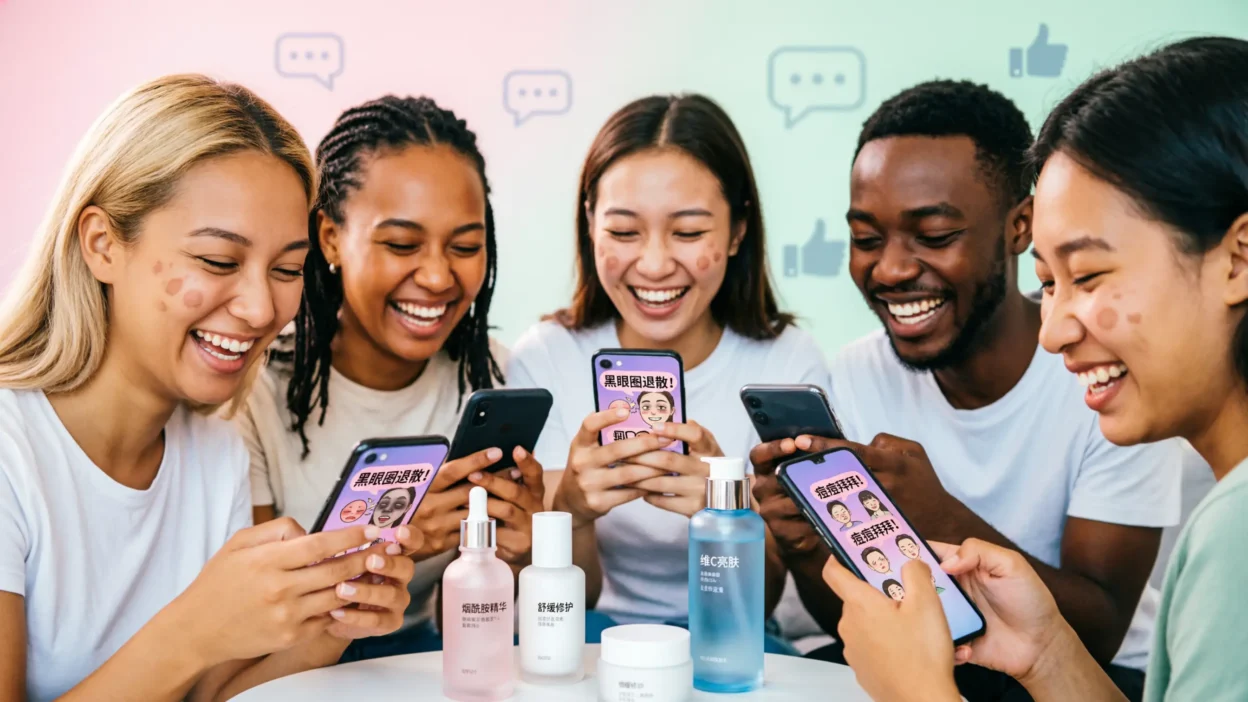
If you’ve ever cleared your acne only to realize the dark spots stayed like uninvited guests, congratulations you’re officially part of the hyperpigmentation meme club. 😭 Skincare promises “bright, even skin,” but real life gives us months of waiting, endless routines, and a camera roll full of disappointment. That’s exactly why hyperpigmentation memes hit so hard. They don’t just make us laugh; they make us feel understood.
These memes capture the frustration, patience, and emotional rollercoaster that comes with dark spots, acne scars, and uneven skin toneespecially for people with melanin-rich skin. Instead of pretending skincare is fast or perfect, hyperpigmentation memes tell the truth in the funniest way possible. They turn insecurity into relatability and struggle into shared humor. In this article, we’ll explore why these memes are everywhere, what they reveal about skincare culture, and how laughing through the journey can sometimes be the best therapy of all.
What Is Hyperpigmentation?
Hyperpigmentation is a skin condition where certain areas of the skin become darker than the surrounding skin due to excess melanin production. In simple words, it’s what happens when your skin remembers damage a little too well. Acne, sun exposure, hormonal changes, skin picking, or even harsh skincare can trigger this response, leaving behind dark spots that refuse to fade quickly.
What makes hyperpigmentation especially frustrating is that it often appears after the real problem is gone. The acne heals, the rash disappears, the inflammation settlesbut the dark mark stays. This is why so many people joke that hyperpigmentation has better commitment issues than most relationships. It doesn’t show up overnight, and it definitely doesn’t leave overnight either.
For people with melanin-rich or brown skin, hyperpigmentation is even more common because the skin naturally produces more melanin as a protective response. Unfortunately, that also means dark spots can look more noticeable and take longer to fade. This reality is rarely explained in skincare ads, which makes the experience feel isolating until memes step in.
Instead of using medical terms or long explanations, hyperpigmentation memes simplify the struggle into something instantly recognizable. One image, one caption, and suddenly thousands of people are saying, “This is literally my skin.” That’s the power of humor it explains what science sometimes fails to communicate emotionally. Hyperpigmentation isn’t just a skin issue; it’s a shared experience, and memes give it a voice everyone understands.
The Rise of Hyperpigmentation Memes on Social Media
Hyperpigmentation memes didn’t become popular by accident they grew because social media finally gave people space to be honest about their skin. Platforms like Instagram, TikTok, Twitter (X), and Pinterest are filled with flawless filters and “perfect skin” transformations, but real experiences don’t look like that. Memes became a quiet rebellion against unrealistic skincare expectations.
As skincare content exploded online, so did frustration. Creators promised glowing results in seven days, while users were stuck watching dark spots fade at the speed of a loading screen. Instead of writing long rants, people started posting memesbefore-and-after jokes, sarcastic captions, and painfully accurate reactions that said everything in seconds. These posts were easy to share, quick to understand, and emotionally validating.
TikTok played a huge role in pushing hyperpigmentation memes into the mainstream. Short videos comparing “day one of skincare” to “month six with the same dark spots” resonated deeply. Instagram meme pages followed, reposting content that blended skincare humor with real-life disappointment. Pinterest added another layer, turning these memes into saved reminders that healing takes time.
What makes hyperpigmentation memes so powerful is that they don’t teach they relate. You don’t need to understand melanin, skin cycles, or ingredients to feel seen. The algorithm favors content that sparks emotion, and these memes do exactly that. They turn a silent struggle into a shared laugh, proving that sometimes, the most viral skincare content isn’t advice it’s honesty.
Why Hyperpigmentation Memes Are So Painfully Relatable
Hyperpigmentation memes hurt because they tell the truth no one prepares you for. Most people go into skincare believing that once acne clears, the skin will magically return to normal. Reality says otherwise. The pimples disappear, but the dark spots stay behind like a reminder of every breakout you thought was over. Memes capture this exact moment of realization and that’s why they feel personal.
Another reason these memes resonate so deeply is the patience gap. Skincare marketing is full of fast results, glowing timelines, and overnight transformations. In contrast, hyperpigmentation works on its own schedule. Seeing a meme that jokes about using ten products for six months just to see “one shade lighter” feels validating because it mirrors real experience. It reassures people that slow progress doesn’t mean failure.
These memes also tap into shared insecurity. Dark spots often affect visible areas like the face, making people hyper-aware of lighting, cameras, and mirrors. When someone turns that vulnerability into humor, it lowers the emotional weight. Laughing becomes a coping mechanism rather than self-criticism.
Most importantly, hyperpigmentation memes create community. When thousands of people like, comment, and share the same joke, it sends a powerful message: you’re not alone. The struggle isn’t unique, embarrassing, or something you have to hide. It’s common, human, and temporary even if it doesn’t feel that way yet. That collective understanding is what transforms a simple meme into something far more meaningful than a joke.
Types of Hyperpigmentation Memes You’ll Instantly Recognize
Not all hyperpigmentation memes are the same. They come in different styles, but each one captures a specific frustration that almost everyone dealing with dark spots has felt at some point. One of the most common types is the “skincare routine vs results” meme. These usually show a long list of products, a detailed routine, and months of effort followed by skin that looks almost exactly the same. The humor comes from the imbalance between effort and outcome.
Another popular category is the “acne is gone but the dark spots stayed” meme. These memes perfectly describe how acne feels like a short-term problem, while hyperpigmentation behaves like a long-term commitment. Many jokes compare dark spots to guests who refuse to leave or memories that won’t fade, making the experience oddly comforting through humor.
Then there are sunscreen guilt memes, which poke fun at forgetting SPF once and paying the price for weeks or even months. These memes are funny because they’re painfully accurate and remind people how sensitive healing skin can be. DIY advice memes also dominate this space, especially jokes about lemon, toothpaste, or random home remedies that “someone’s aunt recommended.” They highlight cultural skincare myths without directly attacking anyone.
Lastly, filter vs real skin memes expose the unrealistic standards set by social media. By contrasting flawless filtered faces with real, textured skin, these memes normalize what hyperpigmentation actually looks like in everyday life. Each meme type serves the same purpose turning frustration into recognition and isolation into shared laughter.
What Hyperpigmentation Memes Reveal About Modern Skincare Culture
Hyperpigmentation memes are funny on the surface, but underneath the humor, they reveal a lot about how modern skincare culture works. Today’s beauty industry is built on speedfast results, instant glow, and dramatic transformations. Memes exist because real skin doesn’t follow those rules. They act as a response to unrealistic expectations that leave people feeling frustrated when their skin heals slowly.
These memes also expose the pressure to look flawless online. Filters, editing tools, and perfect lighting create the illusion that clear, even skin is the norm. When someone’s real skin doesn’t match what they see on their feed, it can feel like a personal failure. Hyperpigmentation memes flip that narrative by showing that uneven skin tone is common, normal, and nothing to be ashamed of.
Another important aspect is how skincare conversations are changing. Instead of silent insecurity, people are choosing honesty. Memes allow users to talk about dark spots without turning the discussion into a medical lecture or a sales pitch. They remove seriousness and replace it with relatability, making skincare feel more human.
Hyperpigmentation memes also highlight how little patience is encouraged in beauty culture. Healing takes time, but the industry rarely celebrates slow progress. By joking about months of waiting, these memes subtly remind people that consistency matters more than perfection. In that sense, memes become a form of quiet education. They don’t promise miraclesthey reflect reality. And sometimes, that reflection is exactly what people need to feel okay with their skin journey.
Hyperpigmentation Memes and Mental Health
Dealing with hyperpigmentation isn’t just a physical experience it’s an emotional one. Dark spots can affect confidence, self-image, and even how comfortable someone feels being seen in public or on camera. That’s where hyperpigmentation memes quietly play a powerful role. They allow people to express frustration without having to openly admit vulnerability.
Humor has long been a coping mechanism, and in skincare, it works the same way. When someone laughs at a meme about using skincare for months with minimal results, it reduces the feeling of isolation. Instead of thinking, “What’s wrong with my skin?” the thought becomes, “Okay, this happens to everyone.” That shift can significantly ease self-blame and anxiety.
Hyperpigmentation memes also create emotional permission. They say it’s okay to be annoyed, tired, or impatient with your skin. You don’t have to be endlessly positive or grateful for “the journey.” Laughing doesn’t mean giving upit means acknowledging reality. In many cases, that honesty is healthier than toxic positivity.
However, these memes work best when they’re rooted in relatability, not self-hate. The healthiest hyperpigmentation humor focuses on the struggle, not on mocking skin tone or appearance. When done right, memes help normalize real skin and remind people that healing is not linear.
In a digital world that constantly highlights perfection, hyperpigmentation memes offer something rare: emotional relief. They turn private frustration into shared understanding, proving that sometimes laughter really is part of the healing process.
Brown Skin and Hyperpigmentation Memes
Hyperpigmentation affects everyone, but it’s especially common and noticeable in people with melanin-rich or brown skin. Despite this, mainstream skincare advertising rarely reflects the real struggles of darker skin tones. Hyperpigmentation memes fill that gap by representing experiences that are often overlooked or ignored.
For many South Asian, African, and Latinx communities, dark spots and uneven skin tone carry additional social pressure. Cultural expectations around beauty, fairness, and “flawless” skin can make hyperpigmentation more than just a cosmetic issueit can feel like a source of judgment. Memes allow these communities to express frustration collectively, turning private insecurity into shared laughter.
Representation in memes matters because it validates lived experiences. A meme about stubborn dark spots on brown skin can immediately resonate with thousands of people who have felt invisible in beauty conversations. These memes create a sense of solidarity, showing that the struggle is normal, human, and shared across diverse cultures.
Moreover, humor in this context challenges colorism and unrealistic beauty standards. By making jokes about what is often framed as “imperfection,” hyperpigmentation memes empower people to embrace their natural skin and its healing process. They normalize variation, encourage patience, and offer comfort without the pressure of perfection.
Ultimately, hyperpigmentation memes do more than entertainthey provide cultural representation, emotional validation, and community support. For many, seeing their skin struggles acknowledged in a funny, relatable way can be as healing as any skincare routine.
Skincare Expectations vs Reality
One of the funniestand most relatablethings about hyperpigmentation memes is how perfectly they capture the gap between skincare expectations and reality. Advertisements promise glowing, even-toned skin in days or weeks, but hyperpigmentation operates on its own timeline. Memes turn this disconnect into humor, making the frustration easier to handle.
A common meme theme shows someone diligently following a skincare routine for months, only to see barely any change in dark spots. The captions often exaggerate reality, saying things like, “Used 10 products for six months… still darker than my future.” These memes are funny because they’re truthfulthe effort is real, but results take time, consistency, and patience.
Another meme logic involves comparing healing time with acne versus dark spots. Acne might disappear in a week, giving the illusion of progress, while hyperpigmentation lingers for months. Meme creators capture this contrast perfectly, sometimes with side-by-side images labeled “Expectation vs Reality” or “Me vs My Dark Spots.” The exaggeration amplifies relatability, but the underlying truth resonates with anyone who’s experienced it.
Even the DIY or “instant fix” meme genre highlights this gap. People joke about using lemon, toothpaste, or random hacks, knowing full well that hyperpigmentation doesn’t respond to shortcuts. These jokes emphasize the patience required for real improvement and subtly educate while entertaining.
In short, hyperpigmentation memes succeed because they translate a slow, frustrating skincare journey into a single relatable laugh. They validate feelings, normalize struggles, and remind everyone that results take timeeven if the internet wants to sell instant perfection.
Educational Moment:
While hyperpigmentation memes are hilarious, they also highlight a serious truth: healing dark spots takes patience, consistency, and the right approach. Memes joke about overnight fixes, magic creams, or random home remedies, but the reality is a little more science-based (and less instant).
Some ingredients genuinely support fading hyperpigmentation: niacinamide, vitamin C, sunscreen, and gentle chemical exfoliants. Niacinamide helps regulate melanin production and reduce inflammation, vitamin C brightens and evens skin tone, and daily sunscreen protects spots from darkening further. Consistency is the keyskipping days, trying too many products at once, or expecting fast results will only prolong frustration.
The humor in memes often comes from our unrealistic expectations, but these jokes can also guide people toward realistic skincare. For example, memes about “six months with ten products, zero results” aren’t just funnythey’re a subtle reminder that skincare isn’t instant gratification. They teach patience, indirectly, without feeling preachy.
It’s also important to note what doesn’t work. DIY hacks like lemon juice, toothpaste, or harsh scrubs may make skin worse, increasing irritation and prolonging dark spots. Memes often exaggerate these ideas for laughs, but they carry a grain of truth: shortcuts rarely help.
By combining humor with small educational nudges, hyperpigmentation memes can both entertain and empower. They normalize struggles while encouraging healthier skincare habitsproving that sometimes, laughter really is part of the healing process.
Are Hyperpigmentation Memes Harmful or Healing?
Hyperpigmentation memes might seem like harmless humor, but like any joke about appearance, they can have both positive and negative effects. On the healing side, these memes offer validation and relatability. For people struggling with dark spots, seeing a meme that perfectly captures their frustration can feel like a hug from the internet. It reassures them that their experience is normal, shared, and human. Laughing at your own skincare struggles can reduce stress, boost confidence, and even foster a sense of community.
Memes also challenge the beauty industry’s obsession with perfection. They normalize uneven skin tone, highlight realistic timelines, and celebrate patience over instant results. For many, these small reminders help shift perspective: dark spots are not flawsthey are part of a journey that everyone goes through.
However, there are potential downsides if memes cross the line. Self-deprecating jokes about skin tone, excessive mocking, or memes that shame people for their natural pigmentation can reinforce insecurity. For vulnerable audiences, repeated exposure to negative humor might worsen self-esteem rather than relieve it. That’s why context, tone, and intention matter. The most effective hyperpigmentation memes are the ones that laugh with people, not at them.
Ultimately, hyperpigmentation memes are both healing and humorous when they focus on shared struggles, patience, and relatable frustration. They turn what could be private shame into public humor, offering relief while subtly reminding everyone: your dark spots don’t define you. Laughter, in this case, is a form of emotional skincare.
Why Hyperpigmentation Memes Go Viral
Hyperpigmentation memes spread like wildfire, and it’s not just because they’re funnythey touch on universal experiences that almost everyone can relate to. The first reason they go viral is shared struggle. Dark spots, acne scars, and uneven skin tone are incredibly common, yet often invisible in mainstream beauty content. When someone posts a meme capturing that frustration, thousands instantly think, “Yes! This is literally me.” That instant recognition creates strong emotional engagement, which is exactly what social media algorithms love.
Another reason is visual relatability. Memes usually combine simple images, side-by-side comparisons, or exaggerated expressions with short, punchy captions. In just a glance, the viewer understands the struggle, the joke, and the underlying truth. This makes them highly shareablepeople tag friends, repost to stories, or save them to revisit later. Shareability fuels virality, and skincare memes hit this sweet spot perfectly.
Hyperpigmentation memes also benefit from timing and trends. With TikTok, Instagram, and Pinterest prioritizing relatable, short-form content, memes that show the gap between skincare expectations and reality naturally fit the scroll culture. Humor adds an extra layer of engagement, encouraging likes, comments, and shares.
Finally, these memes work because they normalize imperfection in a digital world obsessed with flawless skin. By turning frustration into laughter, they provide emotional relief while subtly challenging unrealistic beauty standards. This combination of humor, relatability, and shareability is the secret behind why hyperpigmentation memes don’t just existthey go viral.
How Brands & Creators Are Using Skincare Memes
Hyperpigmentation memes aren’t just for laughsthey’ve become a powerful tool for skincare creators and brands to connect with audiences. Unlike traditional advertising, which often promotes flawless skin or instant results, memes tap into authenticity and relatability. They speak directly to real-life struggles that users experience every day, making the brand feel more human and trustworthy.
Creators on Instagram, TikTok, and YouTube often combine humor with tips. For example, a meme about stubborn dark spots may be paired with advice on sunscreen or vitamin C, blending entertainment with education. This approach keeps the audience engaged while subtly positioning the creator as knowledgeable and empathetic. Humor lowers defenses and makes people more likely to absorb advice without feeling lectured.
Brands have noticed this trend and are experimenting with meme-based marketing. Some share relatable hyperpigmentation memes on social media to engage potential customers, humanize their messaging, and encourage interaction. Campaigns that embrace imperfection often perform better than polished, unrealistic images because users feel seen rather than sold to. The key is balance: the meme must resonate emotionally, not mock or shame anyone’s skin.
Memes also encourage community participation. Users tag friends, comment with their experiences, or create spin-off memes, expanding reach organically. For skincare brands, this type of engagement is far more effective than traditional advertisingit builds loyalty, trust, and social proof. In a world saturated with perfection, hyperpigmentation memes have become a bridge between humor, reality, and meaningful audience connection.
How to Create a Hyperpigmentation Meme That Resonates
Creating a hyperpigmentation meme that connects with people is both an art and a science. The key is relatability without shame. Memes succeed when they reflect the shared experiences of people dealing with dark spots, acne scars, or uneven skin tonewithout mocking anyone’s natural skin or appearance. Humor should be directed at the struggle, not the person.
Start by focusing on everyday frustrations. For example, waiting months for dark spots to fade, accidentally skipping sunscreen, or trying a “miracle” product that does nothing. These scenarios are instantly recognizable and emotionally engaging.
Pair the situation with a funny image, GIF, or reaction photo that exaggerates the frustrationlike someone staring at the mirror or crying over an empty skincare bottle. Short, punchy captions work best, as they’re easy to read while scrolling.
Another important tip is authenticity. People respond to memes that feel real and unfiltered. Avoid over-polished, overly staged visuals that don’t reflect actual experiences.
Including a subtle nod to culture, skin type, or skincare routines can make memes even more relatable, especially for melanin-rich audiences who often feel overlooked in mainstream beauty content.
Finally, encourage community engagement. Add prompts like “Tag someone who’s been here!” or “Which dark spot stayed longer than you expected?” These calls-to-action boost shares, comments, and saves, helping your meme reach a wider audience.
When done right, hyperpigmentation memes entertain, validate struggles, and create a sense of solidarityturning humor into both connection and relief.
You Are Not Your Dark Spots
Hyperpigmentation memes are funny, but they also carry a deeper message: your dark spots do not define you. Many people spend months, even years, frustrated with stubborn pigmentation, letting it affect confidence and self-image.
Memes offer relief by showing that this struggle is universal, but it’s equally important to remember that skin imperfections do not diminish your worth or beauty.
Your skin is a journey, not a deadline. Dark spots, acne marks, and uneven tone are part of the natural healing process, and they take time to fade.
Memes highlight the patience required in a humorous way, but the underlying truth is that self-acceptance and realistic expectations are just as vital as any skincare routine.
Laughing at your own skin challenges, instead of criticizing yourself, is a form of emotional care.
It’s also important to separate struggle from shame. Memes work best when they validate frustration rather than belittle appearance. By reframing hyperpigmentation as a common, shared experience, they encourage empathy, patience, and humor.
When you stop defining yourself by dark spots, you free yourself to enjoy the journey rather than obsess over imperfections.
Finally, embracing your skin doesn’t mean giving up on caring for itit means balancing effort with self-love. Hyperpigmentation memes remind us that laughter, relatability, and community support are part of the healing process. Your skin is just one part of you, and dark spots are temporarybut the confidence and resilience you build are lasting.
Conclusion:
Hyperpigmentation memes are more than just jokesthey’re a reflection of the real struggles people face with their skin.
On the surface, they make us laugh at stubborn dark spots, endless skincare routines, and unrealistic beauty expectations.
Beneath the humor, however, lies a powerful truth: these memes create community, normalize imperfection, and provide emotional relief for anyone who has felt frustrated or self-conscious about their skin.
The virality of these memes proves that relatability resonates. People connect with them because they reflect shared experiences, emotions, and struggles that rarely get acknowledgment in mainstream skincare culture.
From frustration over slow healing to laughing at unrealistic DIY remedies, memes capture it all in a way that feels both personal and universal.
They turn private insecurity into public humor, transforming the way we view skincare challenges.
Hyperpigmentation memes also encourage patience and perspective. They highlight that healing takes time, consistency, and self-careand that imperfection is part of the journey.
Most importantly, they remind us that dark spots do not define beauty or self-worth. By laughing at the process, we acknowledge the struggle without letting it control us.
So, whether you’re scrolling through TikTok, saving an Instagram meme, or sharing a relatable joke with friends, remember this: humor can be healing.
Hyperpigmentation memes may start as entertainment, but they end up being a subtle form of therapy, community, and empowermentall wrapped in a relatable laugh.
Your skin is part of your story, and these memes remind you to embrace it, laugh at it, and keep going.

Malcolm Gladwell is a celebrated American author, journalist, and storyteller known for his thought-provoking insights into human behavior and the hidden patterns that shape our lives. On Dreammaening.com, Malcolm brings his signature curiosity and analytical style to the fascinating world of dreams and symbolism.