
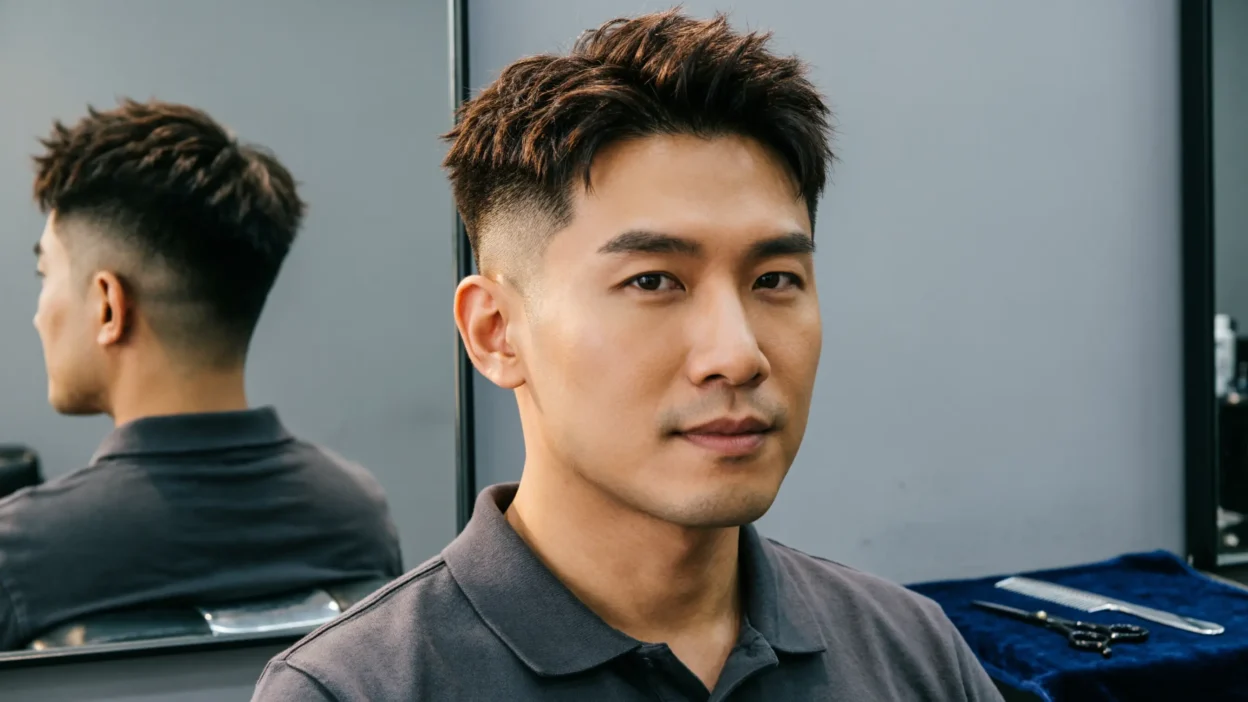
When it comes to modern men’s hairstyles, the low fade has emerged as one of the most stylish and versatile options.
Subtle yet impactful, this haircut blends short hair on the sides into longer hair on top, creating a clean and sharp look that works for both casual and formal settings.
Unlike high or mid fades, the low fade starts just above the ears, giving a more understated appearance while still maintaining a fashionable edge.
What makes the low fade truly popular is its adaptability. It suits a wide range of hair types, from straight to curly, and complements various face shapes, making it a go-to choice for men of all ages.
In this guide, we’ll explore everything you need to know about the low fade: its types, styling tips, maintenance tricks, and even the mistakes to avoid—so you can step out with confidence and a fresh, modern look.
What is a Low Fade?
A low fade is a popular men’s haircut that gradually tapers the hair on the sides and back, starting just above the ears and blending seamlessly into longer hair on top.
Unlike mid or high fades, which start higher on the head, the low fade provides a subtle, clean look that is both professional and stylish. The key feature of a low fade is its gentle gradient, which creates a natural flow from short to long hair, giving the haircut a refined, polished appearance without being overly dramatic.
The low fade can be customized in multiple ways to suit individual preferences. For instance, some opt for a classic low fade, which maintains a soft, minimal contrast between the top and sides, while others prefer a low skin fade, where the sides are cut very close to the skin for a sharper, edgier look. There’s also the low drop fade, which follows the natural curve of the head, adding dimension and structure to the hairstyle.
One reason the low fade is so widely loved is its versatility. It works with a variety of hair types—straight, wavy, or curly—and can complement any face shape. Whether paired with a textured crop, pompadour, or comb-over, a low fade adds definition while keeping the style understated. Its low-maintenance nature also makes it ideal for men who want a sharp, modern look without constant upkeep.
In short, the low fade is a timeless haircut that balances style, elegance, and practicality, making it a must-try for anyone looking to elevate their hairstyle game.
History and Popularity of the Low Fade
The low fade may seem like a modern hairstyle, but its roots go back several decades. Fade haircuts first emerged in the 1940s and 1950s, largely popularized by barbers in urban communities who experimented with gradual blending techniques. Initially, fades were part of military and professional styles, providing a clean-cut, disciplined appearance. Over time, fades evolved into a fashion statement, with different variations—high, mid, and low—allowing men to express personal style while maintaining a neat look.
The low fade specifically gained widespread popularity in the late 1990s and early 2000s, driven by hip-hop culture and urban fashion trends. Its subtle gradient made it ideal for men who wanted a stylish haircut without being too bold, unlike the high fade, which starts much higher on the head and creates a more dramatic contrast. Celebrities, athletes, and musicians further boosted its appeal; icons like LeBron James and David Beckham have often been seen rocking low fades, making the style instantly recognizable and aspirational.
Today, the low fade is one of the most sought-after haircuts for men of all ages. It seamlessly blends versatility, sophistication, and trendiness, which is why barbers continue to recommend it for both formal and casual occasions.
Its adaptability allows it to pair with various top styles, from textured crops to pompadours, ensuring that it remains timeless while still reflecting contemporary trends.
Whether in street style, professional settings, or red-carpet events, the low fade has proven its staying power as a go-to hairstyle for men who value precision and style.
Types of Low Fade Hairstyles
The low fade is not a one-size-fits-all haircut; it comes in several variations that allow men to customize the look according to their style, hair type, and personality. Understanding the different types of low fades can help you choose the best option for your face shape and lifestyle.
1. Classic Low Fade
The classic low fade is subtle and versatile. The hair gradually tapers from the top down to just above the ears, creating a clean, professional appearance. This type works well for men who prefer understated elegance and want a haircut suitable for both work and casual settings.
2. Tapered Low Fade
The tapered low fade blends the sides into the top more gradually, giving a softer and more natural transition. It’s ideal for men with wavy or curly hair, as it allows the natural texture to stand out while keeping the overall look polished.
3. Low Skin Fade
For those who want a sharper, edgier look, the low skin fade is perfect. The sides are shaved close to the skin, creating a high contrast with the longer hair on top. This style is bold and trendy, making it popular among younger men and style-conscious individuals.
4. Low Drop Fade
The low drop fade follows the natural curve of the head, dipping slightly behind the ears. This creates a unique, dimensional look that works well with textured hair or longer hairstyles on top. It adds structure and depth, making it a favorite among those who want a distinctive yet manageable style.
Who is the Low Fade For?
One of the reasons the low fade has remained so popular is its versatility. This haircut works for a wide range of hair types, face shapes, and age groups, making it a go-to choice for men who want a stylish yet manageable look.
Hair Types:
The low fade suits almost every hair type. Men with straight hair will enjoy a neat, sharp appearance, while wavy hair adds natural texture and movement to the style. For curly hair, a low fade can help reduce bulk on the sides and make curls on top stand out without looking unkempt. Even men with thick or coarse hair can achieve a balanced, modern look with the right fade technique.
Face Shapes:
Different low fade variations can complement various face shapes. For instance, a classic low fade works well for oval or square faces, providing symmetry and balance. Men with round faces may benefit from a slightly higher fade or adding more volume on top to elongate the face. The low drop fade is ideal for men with wider head shapes, as it creates structure and dimension along the natural curves of the skull.
Age and Lifestyle:
The low fade is not limited to a specific age group. Younger men often prefer trendy versions like the low skin fade, while professionals may opt for a classic or tapered low fade for a more polished, refined look. Its low-maintenance nature also appeals to busy men who want a sharp haircut that doesn’t require daily effort.
How to Ask for a Low Fade at the Barber
Getting the perfect low fade starts with clear communication with your barber. Many men leave the barber chair disappointed simply because the style wasn’t explained properly. Knowing how to ask for a low fade ensures you walk out with exactly the look you want.
1. Bring Reference Photos
One of the easiest ways to communicate your desired fade is by bringing photos. Show your barber examples of the low fade you like—classic, tapered, skin, or drop fade. Visual references help the barber understand the length, contrast, and style you’re aiming for.
2. Specify the Starting Point
A low fade begins just above the ears, but the exact starting point may vary depending on your preference and hair type. Tell your barber whether you want a subtle fade, a skin fade, or a drop fade, as each variation affects how high the fade begins and how sharply it blends into the top.
3. Discuss Hair Length on Top
Clarify how long you want the hair on top. The top can remain medium or long, depending on the style, while the sides gradually taper. Mention if you want texture, layers, or styling guidance to complement the fade.
4. Ask About Maintenance
A fade requires periodic upkeep to maintain its clean look. Ask your barber how often you should trim the sides and top, and which products work best for your hair type.
By following these steps, you ensure a smooth, stylish low fade that suits your face, hair, and lifestyle, giving you confidence and a polished appearance.
Styling and Maintenance Tips for a Low Fade
A low fade haircut looks sharp immediately after a barber visit, but proper styling and maintenance are key to keeping it looking fresh and polished over time. With the right techniques and products, you can make your low fade stand out every day.
1. Daily Styling
Depending on your hair type and desired look, you can style the top of your low fade in various ways. For straight or wavy hair, a light pomade, wax, or styling cream can help achieve a sleek comb-over, textured crop, or messy tousled look. Men with curly hair may prefer a curl-enhancing cream or leave-in conditioner to define curls while maintaining the fade’s clean sides. Avoid heavy products that weigh down the hair or make it look greasy.
2. Keep the Fade Sharp
To maintain the crisp lines of your fade, schedule touch-ups every 2–4 weeks. The shorter the sides, the faster they grow out, so regular barber visits are essential. If you’re between appointments, using a trimmer at home to lightly shape the sides can help maintain the fade.
3. Hair Care Products
Use shampoos and conditioners suited to your hair type to keep hair healthy. For added volume or texture, lightweight styling powders or sprays can enhance the top while leaving the fade looking clean.
4. Avoid Over-Styling
A low fade works because of its subtle, clean appearance. Over-styling or using too much product can reduce the haircut’s natural flow. Less is often more.
With these tips, your low fade will remain stylish, manageable, and versatile, making it a low-maintenance yet highly fashionable choice.
Common Mistakes and How to Avoid Them
Even a great haircut like the low fade can lose its appeal if certain mistakes are made. Understanding common pitfalls can help you maintain a sharp, stylish look without frustration.
1. Fade Too High or Too Short
A low fade is meant to start just above the ears. Asking for a fade that is too high or cutting it too short can completely change the look, making it appear closer to a mid or high fade. Always specify the starting point and show your barber reference images to avoid miscommunication.
2. Uneven Blending
A fade only looks good when the transition from short to long hair is smooth. Uneven blending can create awkward lines or patches. Ensure your barber uses proper clippers and techniques to achieve a gradual fade. If cutting at home, go slow and check frequently for symmetry.
3. Overuse of Products
While styling products enhance the top, overusing gels, waxes, or pomades can make your hair look greasy or weigh it down. Stick to lightweight products and apply sparingly for a natural, clean look.
4. Ignoring Maintenance
A low fade grows out quickly, especially on the sides. Skipping regular trims can make the fade appear messy and lose its defined shape. Schedule touch-ups every 2–4 weeks depending on how fast your hair grows.
5. Choosing the Wrong Style for Your Hair or Face
Not every variation of a low fade suits every hair type or face shape. Consult your barber about which fade—classic, tapered, skin, or drop—complements your hair texture and facial structure.
By avoiding these common mistakes, you can ensure that your low fade remains sharp, stylish, and flattering, keeping you looking polished and confident at all times.
Low Fade Inspiration Gallery
If you’re considering a low fade, looking at real-life examples can help you decide which style suits you best. The haircut’s versatility allows it to be paired with many top styles and personal aesthetics, from casual street looks to polished, professional appearances.
Celebrity Inspiration
Celebrities and athletes have played a huge role in popularizing the low fade. For instance, LeBron James often sports a low fade paired with short, textured hair, giving a clean yet dynamic look. Similarly, David Beckham has been seen rocking both classic and tapered low fades, showing how the haircut can be adapted to different lengths and styles. Seeing how high-profile figures wear the fade can provide practical inspiration for your own haircut.
Street Style and Everyday Looks
Low fades are equally popular in street style and casual fashion. They work with messy textures, spikes, comb-overs, and even curly or wavy hairstyles. The fade creates a sharp contrast with the top, making any hairstyle look more defined and intentional.
Trendy Variations
Modern variations, like the low skin fade or low drop fade, add individuality and dimension. These styles are perfect for men who want to make a statement without going too extreme. Meanwhile, classic low fades remain timeless for a more understated and professional appearance.
Whether you’re inspired by celebrities, friends, or everyday street styles, a low fade can be tailored to your hair type, face shape, and personal style. Exploring examples before your barber visit ensures that you leave with a cut that looks polished, modern, and entirely you.
FAQs
A low fade is a versatile and popular haircut, but many people have questions about how to get the best results. Here are some of the most common queries answered:
1. Can I do a low fade at home?
While it’s possible with clippers, achieving a smooth, professional-looking fade at home is challenging. A barber has the skills and tools to blend the sides evenly and ensure the fade complements your hair type and face shape.
2. How long does a low fade last?
The fade starts to grow out in 2–4 weeks, depending on hair growth. Regular touch-ups every few weeks help maintain the clean, sharp look. The top length can be longer and styled differently over time, allowing some flexibility between trims.
3. Does hair grow back evenly after a low fade?
Yes, hair grows back naturally. However, the contrast created by the fade will gradually soften as the sides grow, which is why maintenance is important to keep the fade looking defined.
4. Can I combine a low fade with a beard?
Absolutely. Pairing a low fade with a well-groomed beard creates a balanced, modern look. The fade can blend into the beard, giving a seamless transition from hair to facial hair.
5. Which fade type is best for my hair and face?
Consult your barber. Classic low fades suit most men, tapered fades work well with wavy hair, skin fades add boldness, and drop fades complement wider head shapes.
These FAQs address the most common concerns, helping you make informed decisions about your low fade haircut and ensuring you leave the barber chair with confidence and style.
Conclusion:
The low fade has proven itself as a timeless and versatile haircut, suitable for men of all ages, hair types, and lifestyles. Its subtle gradient, starting just above the ears, creates a clean, polished look that works equally well in professional, casual, and trendy settings.
Unlike other fade styles, the low fade strikes the perfect balance between style and subtlety, making it a go-to option for men who want a sharp haircut without being overly dramatic.
From classic low fades to tapered, skin, or drop fades, there are numerous variations to suit personal preferences, face shapes, and hair textures. It pairs well with a wide range of top hairstyles, including textured crops, comb-overs, pompadours, and curly styles. With the right products and regular maintenance, a low fade can remain crisp, defined, and stylish for weeks.
Additionally, the low fade’s popularity among celebrities, athletes, and street-style icons highlights its universal appeal. It’s not just a haircut; it’s a statement of confidence, precision, and modern style.
Whether you’re trying a fade for the first time or updating an existing look, this hairstyle allows you to express individuality while keeping things polished and professional.
Ultimately, the low fade is more than just a trend it’s a versatile hairstyle that delivers elegance, adaptability, and low-maintenance charm.
By understanding the types, maintenance tips, and styling options, you can confidently step into a barber chair and walk out with a haircut that enhances your overall style and complements your personality.

Elizabeth Gilbert is a celebrated American author known for exploring self-discovery, spirituality, and life’s deeper meanings. Her writings inspire readers to uncover the hidden messages in dreams, symbols, and personal journeys—perfectly aligning with the mission of DreamMaening.com.