
Let’s talk real-life weight loss for women no fluff, no confusing science talk.
If you’ve ever felt stuck counting calories and still not seeing results, Macros For Weight Loss Female might be the missing piece you’ve been ignoring. Think of macros as learning what to eat, not just how little to eat.
Once you understand how protein, carbs, and fats work for your body, everything starts to click.
It’s flexible, realistic, and way easier to stick to than strict diets.
Pull up a chair this is the kind of weight-loss chat you’d have with a friend who actually knows what she’s doing.
What Are Macros and Why They Matter for Women
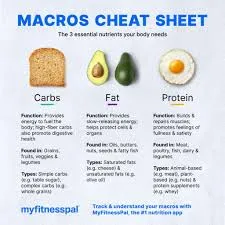
When it comes to weight loss, understanding macros is a game-changer. Macros, short for macronutrients, are the three main nutrients your body needs in large amounts: protein, carbohydrates, and fats. Each plays a unique role in your health and fat loss journey.
Protein is essential for building and maintaining lean muscle, boosting metabolism, and keeping you full longer. This is especially important for women, as muscle naturally declines with age, and maintaining it helps burn more calories even at rest.
Carbohydrates are your body’s primary energy source. They fuel workouts, daily activity, and even brain function. Cutting carbs too drastically can lead to fatigue, mood swings, and slower progress. Choosing the right types of carbs—like whole grains, fruits, and vegetables—supports both energy and weight loss.
Fats often get a bad rap, but healthy fats are vital for hormone regulation, brain function, and satiety. They help women maintain balance in estrogen and other hormones, which can impact weight loss, especially around the midsection.
Why is this especially important for women? Female metabolism and hormones respond differently than men’s. Eating the wrong balance of macros can stall weight loss, cause energy crashes, or even affect menstrual cycles. Tracking macros allows women to eat enough to fuel their bodies, lose fat, and protect muscle, without resorting to extreme diets.
By learning how to balance protein, carbs, and fats according to your body’s needs, you’re setting the foundation for sustainable, effective weight loss tailored to women.
How Many Macros Do Women Need?
Once you understand what macros are, the next step is figuring out how much of each macronutrient your body needs. The amount depends on factors like age, weight, activity level, and overall goals.
The first step is calculating your calorie needs. Your body burns calories even at rest—this is called your Basal Metabolic Rate (BMR). On top of that, your Total Daily Energy Expenditure (TDEE) accounts for activity like walking, workouts, and daily tasks. Knowing your TDEE helps you set a calorie target for weight loss, usually a deficit of 300–500 calories per day for safe, sustainable fat loss.
Next is setting your macro ratios. A common starting point for women is:
- Protein: 30–40% of total calories
- Carbohydrates: 30–40% of total calories
- Fats: 20–30% of total calories
These ranges can be adjusted based on lifestyle. For example, active women or those doing strength training may benefit from higher protein and carbs, while sedentary women may prefer slightly higher fats and moderate carbs.
Common mistakes include under-eating protein, over-restricting carbs, or cutting fats too low. Each can stall progress, affect hormones, and leave you feeling tired or deprived.
By calculating your calories and distributing them across protein, carbs, and fats, you can create a macro plan that fuels your body, supports fat loss, and preserves muscle, making weight loss more sustainable and less frustrating.
Macro Breakdown for Weight Loss
Understanding your macros is one thing, but knowing how each macro helps you lose weight is key—especially for women. Let’s break down protein, carbs, and fats so you can design a plan that works for your body.
Protein: Protein is the most important macro for female fat loss. It helps preserve lean muscle, which keeps your metabolism high, and supports recovery after workouts. Women should aim for about 1.2–2 grams of protein per kilogram of body weight per day, depending on activity level. Good sources include chicken, fish, eggs, Greek yogurt, tofu, and legumes.
Carbohydrates: Often misunderstood, carbs are your body’s primary energy source. Cutting them too much can leave you fatigued, irritable, and less able to burn fat efficiently. Focus on complex carbs like oats, quinoa, sweet potatoes, fruits, and vegetables. The ideal carb intake varies, but 30–40% of your daily calories is a good starting point for most women.
Fats: Healthy fats are essential for hormone balance, brain function, and satiety. Women who restrict fats too much may experience hormonal issues or slowed metabolism. Include sources like avocado, nuts, seeds, olive oil, and fatty fish, aiming for roughly 20–30% of total calories from fats.
Balancing these macros correctly helps women lose fat while maintaining energy, muscle, and overall health. The key is not extreme restriction but finding the right ratio for your lifestyle, activity level, and goals. Tracking and adjusting as needed ensures steady, sustainable results without feeling deprived.
Tracking Macros for Success
Knowing your ideal macro ratios is only part of the equation—tracking them consistently is what turns knowledge into results. For women aiming for weight loss, tracking macros ensures you’re eating enough to fuel your body without going over your calorie target.
One of the easiest ways to track macros is by using apps like MyFitnessPal, Cronometer, or Lose It! These tools let you log meals, see your protein, carb, and fat intake, and compare it to your daily targets. They also help you identify patterns, such as eating too many refined carbs or too little protein, which can hinder fat loss.
There are two main approaches to tracking: rigid tracking and flexible tracking. Rigid tracking involves measuring and weighing every meal, which can be helpful at the start to understand portion sizes. Flexible tracking, also known as IIFYM (If It Fits Your Macros), allows more freedom—so long as your daily macros are balanced, you can enjoy treats occasionally. This method is often more sustainable for women long-term, reducing stress and promoting a healthier relationship with food.
Adjusting your macros over time is also crucial. If weight loss stalls, you may need to tweak your protein, carb, or fat intake, or adjust calories slightly. By tracking consistently, monitoring progress, and making smart adjustments, women can create a sustainable fat loss plan that fuels workouts, preserves muscle, and keeps energy levels high.
Sample Macro Plans for Female Weight Loss
Now that you know how to calculate and track your macros, let’s look at practical examples of how they can be applied in daily life. Sample macro plans help women see how protein, carbs, and fats fit together in meals for fat loss.
1. Beginner / Sedentary Female:
- Calories: ~1,500–1,700 per day
- Protein: 35% (130–150g)
- Carbs: 35% (130–150g)
- Fats: 30% (50–55g)
Example meal:
- Breakfast: Greek yogurt with berries and a teaspoon of nuts
- Lunch: Grilled chicken salad with olive oil dressing and quinoa
- Snack: Apple with peanut butter
- Dinner: Baked salmon with roasted vegetables and a small portion of brown rice
2. Active / Workout-Focused Female:
- Calories: ~1,800–2,000 per day
- Protein: 30–35% (135–160g)
- Carbs: 40–45% (180–225g)
- Fats: 20–25% (40–50g)
Example meal:
- Breakfast: Oatmeal with whey protein and banana
- Lunch: Turkey breast, sweet potato, and steamed broccoli
- Snack: Protein smoothie with almond milk and berries
- Dinner: Grilled shrimp, mixed greens, and avocado
Tips:
- Track your meals using apps to ensure you hit your macro targets
- Adjust portion sizes if weight loss stalls or energy dips
- Snacks and small meals are included to prevent cravings
These sample plans show that weight loss for women doesn’t mean eating less—it means eating smart. With the right balance, you can lose fat, maintain muscle, and feel energized every day.
Tips to Stick to Your Macros
Tracking macros can feel overwhelming at first, but with the right strategies, it becomes simple and sustainable—especially for women balancing work, family, and fitness goals. Here are some tips to help you stay consistent without feeling deprived.
1. Meal Prep and Plan Ahead
Preparing meals in advance saves time and reduces the temptation to grab convenience foods that can throw off your macros. Batch-cook proteins, pre-portion snacks, and plan meals around your macro targets. Even simple steps, like chopping veggies or cooking grains in advance, make a big difference.
2. Flexible Tracking
You don’t need to measure every bite. Flexible dieting allows you to fit foods you love into your macros, making it easier to stick to your plan long-term. If you enjoy occasional treats, adjust your other meals to stay on track.
3. Smart Snacking
Keep macro-friendly snacks on hand to prevent overeating. Examples include Greek yogurt, nuts, protein bars, or fruit with nut butter. These snacks help maintain energy levels and prevent cravings, which is key for women managing hormones and metabolism.
4. Eating Out Strategies
When dining out, choose lean proteins, complex carbs, and healthy fats. Don’t stress about exact portions—estimate macros and adjust other meals during the day.
5. Monitor and Adjust
Track your progress and adjust macros if weight loss stalls or energy drops. Women’s needs can fluctuate due to activity levels, stress, and hormones, so flexibility is essential.
By following these tips, you can stick to your macro plan, enjoy your meals, and reach your weight loss goals without feeling restricted or stressed.
Common Questions About Macros for Women
When it comes to macros and female weight loss, many women have questions. Let’s clear up some of the most common concerns.
1. Can I lose weight without tracking macros?
Yes, you can lose weight without tracking macros, but it’s often slower and less predictable. Counting macros helps ensure you get enough protein to preserve muscle, enough carbs for energy, and enough fats for hormonal balance—making weight loss more efficient and sustainable.
2. Should women eat more protein than men for fat loss?
Women generally need slightly less total protein than men due to body size differences, but it’s crucial to eat enough. Protein helps preserve lean muscle, which is especially important for women to maintain metabolism and avoid muscle loss during a calorie deficit.
3. How do hormones affect macro needs?
Hormonal fluctuations, like estrogen and progesterone changes, can impact appetite, energy levels, and fat storage. During high-energy days (like ovulation), slightly higher carbs may support workouts, while healthy fats help stabilize hormones throughout the menstrual cycle.
4. Can I have cheat days while counting macros?
Yes! Flexible dieting allows occasional treats, as long as your overall weekly macros remain balanced. Cheat meals can even help prevent binge eating and keep you motivated.
5. Macro vs. calories—what matters more?
Both are important. Calories determine weight loss, while macros determine body composition, energy, and hormone health. For women, balancing macros ensures fat loss without losing muscle or feeling drained.
Understanding these key points helps women approach macros with confidence, avoid common mistakes, and achieve sustainable weight loss while feeling energized and healthy.
Conclusion
Tracking macros is a powerful tool for women who want to lose weight without extreme diets or feeling deprived. By focusing on the right balance of protein, carbs, and fats, you can fuel your body, preserve lean muscle, and maintain energy levels while shedding fat. Unlike generic diets, macros allow for flexibility, so you can enjoy the foods you love while staying on track with your goals.
Understanding your calorie needs, calculating your macro ratios, and tracking meals with simple tools or apps creates a sustainable system. Adding meal prep, smart snacking, and flexible strategies makes it easier to stick with your plan long-term. Remember, every woman’s body is different—activity levels, hormones, and metabolism all influence your ideal macro breakdown. That’s why adjusting your plan based on results is key to continued success.
With this guide, you now have a complete roadmap for female fat loss through macros. Start by calculating your needs, tracking your meals, and making small adjustments along the way. Over time, you’ll notice better energy, improved body composition, and sustainable weight loss. Macros aren’t just about numbers—they’re about creating a lifestyle that supports your health, confidence, and goals.

Ta-Nehisi Coates is a celebrated American author and journalist, renowned for his deep insights into culture, history, and the human experience. At Dreammaening.com, he brings his thoughtful perspective to the world of dreams, symbolism, and spiritual meaning, helping readers uncover the deeper messages behind their nighttime visions. With a distinctive voice that blends storytelling, research, and reflection, Coates guides readers on a journey of self-discovery and understanding, making complex ideas accessible and engaging for everyone.