
If you’re not losing weight on keto, trust me you’re not alone, and you’re definitely not broken.
You cut carbs, said goodbye to bread, and somehow the scale still refuses to budge (rude, right?).
Keto sounds simple, but real life has a funny way of complicating things.
From sneaky carbs to portion creep, small mistakes can quietly stall progress.
The good news? Most keto plateaus have clear, fixable reasons.
Let’s talk it through like friends and get you back on track without the stress.
Understanding Keto and Weight Loss
The keto diet is built around a simple principle: reducing carbohydrates and increasing fat intake so your body enters a state called ketosis. In ketosis, your body switches from using glucose (from carbs) as its primary fuel to burning fat for energy. This is why many people experience rapid weight loss in the first few weeks of keto—it’s often a combination of fat loss and water weight.
However, weight loss on keto isn’t guaranteed for everyone. Several factors influence how your body responds, including your metabolism, activity level, and even genetics. Some people see dramatic results in weeks, while others may notice slower progress. This can be confusing, especially if you’re doing everything “right”—measuring macros, cutting carbs, and eating keto-friendly foods—but the scale still won’t move.
Another important factor is that keto affects individuals differently. For some, fat adaptation happens quickly, making it easier to burn stored fat. For others, hormonal imbalances, stress, or hidden carbs in foods can prevent your body from reaching full ketosis. Understanding how keto works and why your body might resist weight loss is the first step toward breaking a plateau.
In the next section, we’ll dive into the most common mistakes that prevent weight loss on keto and how to spot them before they stall your progress.
Common Mistakes That Prevent Weight Loss on Keto
Even when you follow the keto diet strictly, small mistakes can keep you stuck in a weight loss plateau. Recognizing these common pitfalls is the first step to getting back on track.
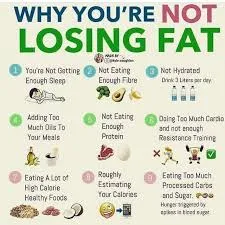
1. Hidden Carbs: Many keto-friendly foods contain unexpected carbs. Sauces, salad dressings, flavored yogurts, and sugar-free snacks often have hidden sugars or sugar alcohols that can kick you out of ketosis. Always check labels and track net carbs carefully.
2. Overeating Keto Foods: While fats are essential on keto, they’re also calorie-dense. Nuts, cheese, avocado, and oils can add up quickly. Eating more calories than your body needs—even from keto-approved foods—can prevent fat loss.
3. Macro Imbalances: Keto isn’t just low carb—it’s about the right balance of fats, proteins, and carbs. Too much protein can convert to glucose through gluconeogenesis, slowing weight loss. Too little fat can leave you feeling hungry and low on energy.
4. Not Tracking Intake: Many people underestimate how much they eat. Using apps or journals to track calories and macros can reveal hidden issues.
5. Ignoring Lifestyle Factors: Sleep, stress, and hydration play a bigger role than most realize. High stress or poor sleep can increase cortisol, which encourages fat storage, while dehydration can stall metabolism.
By identifying and correcting these mistakes, you can start to see progress on keto again. Next, we’ll explore biological and medical factors that could be slowing your weight loss.
Biological & Medical Factors Affecting Keto Weight Loss
Sometimes, it’s not your diet—it’s your body. Even when following keto perfectly, biological and medical factors can make weight loss difficult. Understanding these can help you adjust your approach.
1. Hormonal Imbalances: Hormones play a huge role in fat storage. Conditions like thyroid disorders, polycystic ovary syndrome (PCOS), or insulin resistance can slow down weight loss. For example, low thyroid hormone reduces metabolism, making fat loss harder even on keto.
2. Medications: Certain medications, including steroids, antidepressants, and diabetes medications, can interfere with weight loss. If you’re on medication, talk to your doctor before making any major diet changes.
3. Stress and Cortisol: Chronic stress raises cortisol levels, which can lead to fat accumulation around the midsection. Even strict keto can be undermined if your body is in a constant stress state.
4. Sleep Deficiency: Poor sleep affects hunger hormones like ghrelin and leptin, leading to increased cravings and overeating. Lack of sleep can also slow metabolism, making weight loss on keto more challenging.
5. Metabolic Adaptation: Long-term dieting or extreme calorie restriction can trigger metabolic slowdown, where your body burns fewer calories at rest. This is a natural survival mechanism but can stall fat loss.
Recognizing these factors is crucial because sometimes keto adjustments alone aren’t enough. Pairing diet strategies with lifestyle changes—stress management, quality sleep, and medical guidance—can make a significant difference.
Next, we’ll cover practical ways to break a keto plateau and get your weight loss back on track.
How to Break a Keto Plateau
Hitting a keto plateau can feel frustrating, but the good news is that there are several strategies to jumpstart weight loss again. The key is to combine diet adjustments, lifestyle tweaks, and tracking.
1. Reassess Your Macros: Even small deviations in your carbs, fats, or protein can stall progress. Use a macro calculator to ensure your ratios match your weight loss goals. Too much protein can convert to glucose, while too little fat can leave you hungry and low on energy.
2. Track Calories Accurately: Keto allows higher fat intake, but calories still matter. Use an app or journal to track everything you eat and ensure you’re in a calorie deficit.
3. Try Intermittent Fasting: Many keto followers benefit from 16:8 or 18:6 fasting windows, which can improve fat burning and reduce insulin spikes.
4. Include High-Intensity Exercise: Cardio, HIIT, and weight training help increase calorie burn and preserve muscle mass. Strength training is especially effective for boosting metabolism on keto.
5. Strategic Carb Refeeds: Occasionally adding a controlled number of carbs can reset hormones like leptin, improve energy, and help break a plateau without derailing ketosis.
6. Focus on Recovery: Prioritize sleep, stress management, and hydration. High cortisol levels or dehydration can stall fat loss, even if you’re doing everything else right.
By systematically applying these strategies, you can overcome plateaus and see consistent progress. Keto is flexible, and small adjustments often make the biggest difference.
Common Keto Myths Debunked
The keto diet is popular, but it’s also surrounded by misconceptions that can confuse beginners and stall progress. Understanding the truth behind these myths can help you stay on track and avoid frustration.
1. “Keto Guarantees Rapid Weight Loss”
Many people assume keto will automatically melt fat fast. While initial weight loss can be quick, much of it is water weight, and fat loss varies by individual. Genetics, hormones, and lifestyle factors all influence results.
2. “All Fats Are Equal”
Keto emphasizes fats, but quality matters. Avocados, olive oil, and fatty fish are nutritious, whereas processed fats or excessive saturated fats can impact heart health and may not aid weight loss.
3. “If You Cheat, Ketosis Is Ruined Forever”
Eating extra carbs occasionally doesn’t destroy your progress. Ketosis is a dynamic state; the body can return to fat-burning once normal keto eating resumes.
4. “You Can Eat Unlimited Calories”
Some people assume high-fat foods mean unlimited eating. Overeating—even on keto—can stall fat loss. Calories still count, and portion control is essential.
5. “Keto Works the Same for Everyone”
Everyone’s body responds differently. Some see fast results, others slower progress. Factors like metabolism, stress, hormones, and sleep all affect how your body reacts to keto.
By debunking these myths, you can focus on what really matters: tracking macros, eating quality fats, managing lifestyle factors, and being patient with your body. Understanding the truth makes it easier to navigate plateaus and see lasting results.
Setting Realistic Expectations and Staying Motivated
One of the biggest challenges on the keto diet is managing expectations. Many people start with the hope of rapid, dramatic results, only to feel discouraged when progress slows. Understanding that weight loss is not always linear is essential for long-term success.
Keto works differently for everyone. Some may lose significant weight in the first few weeks, while others may experience slower, steadier progress. Factors such as metabolism, genetics, age, hormonal balance, and activity level all play a role in how quickly your body sheds fat. Accepting this variability helps reduce frustration and keeps motivation high.
It’s also important to celebrate non-scale victories. Increased energy, better mental clarity, reduced cravings, and improved blood markers are all positive changes that keto can provide, even if the scale moves slowly.
Consistency is key. Small, sustainable adjustments—like tracking macros, getting quality sleep, managing stress, and staying hydrated—will compound over time. Patience is your best ally.
Finally, accountability can help. Whether through a keto community, friend, or coach, having someone to share progress, challenges, and tips can keep you motivated.
Remember: a keto plateau or slow weight loss doesn’t mean failure. With realistic expectations and persistence, you can achieve long-term results while maintaining your health and energy.
Sample Keto Meal & Macro Guide
One of the most effective ways to overcome a keto plateau is to focus on balanced meals and accurate macros. While keto emphasizes low carbs and high fat, the right combination of fat, protein, and carbs is essential for consistent weight loss.
Breakfast Example:
- 3 scrambled eggs cooked in butter
- Half an avocado
- Spinach sautéed in olive oil
- Macros: ~25g fat, 20g protein, 5g net carbs
Lunch Example:
- Grilled salmon (150g)
- Steamed broccoli with olive oil
- Mixed greens salad with olive oil and vinegar
- Macros: ~35g fat, 30g protein, 6g net carbs
Dinner Example:
- Chicken thighs roasted with skin
- Cauliflower mash with butter
- Zucchini noodles tossed in pesto
- Macros: ~40g fat, 35g protein, 7g net carbs
Snack Options:
- Handful of almonds (10–15 nuts)
- Cheese slices or cheese sticks
- Keto fat bombs (homemade coconut or chocolate-based)
Tips for Tracking Macros:
- Use apps like MyFitnessPal or Cronometer to log meals.
- Focus on net carbs (total carbs minus fiber).
- Adjust portion sizes based on your calorie goals and activity level.
Eating well-balanced keto meals ensures you stay in ketosis, avoid hidden carbs, and maintain satiety. When paired with the strategies discussed earlier—like intermittent fasting, exercise, and sleep optimization—this meal guide can help break plateaus and restart weight loss.
Conclusion & Encouragement
Hitting a plateau or feeling stuck while following the keto diet can be frustrating, but it’s important to remember that it’s a normal part of the weight loss journey. Not losing weight on keto doesn’t mean you’re failing—it usually signals that your body needs small adjustments, whether in macros, lifestyle habits, or meal planning.
By identifying common mistakes, understanding biological and medical factors, and applying practical strategies like tracking macros, incorporating intermittent fasting, exercising effectively, and managing stress, you can overcome a plateau and start seeing results again. Keto is flexible, and the best approach is to listen to your body while staying consistent and patient.
Celebrate non-scale victories along the way—improved energy, reduced cravings, and mental clarity are just as important as the number on the scale. Remember that weight loss is not linear, and even small, steady progress adds up over time.
Stay motivated by setting realistic goals, tracking your progress, and finding support through keto communities or accountability partners. Every step forward, no matter how small, brings you closer to your goal.
Ultimately, keto isn’t just a diet—it’s a lifestyle that can improve your health, energy, and relationship with food. By combining knowledge, patience, and action, you can overcome plateaus, stay on track, and achieve lasting results while enjoying the benefits of the keto lifestyle.

Ta-Nehisi Coates is a celebrated American author and journalist, renowned for his deep insights into culture, history, and the human experience. At Dreammaening.com, he brings his thoughtful perspective to the world of dreams, symbolism, and spiritual meaning, helping readers uncover the deeper messages behind their nighttime visions. With a distinctive voice that blends storytelling, research, and reflection, Coates guides readers on a journey of self-discovery and understanding, making complex ideas accessible and engaging for everyone.