
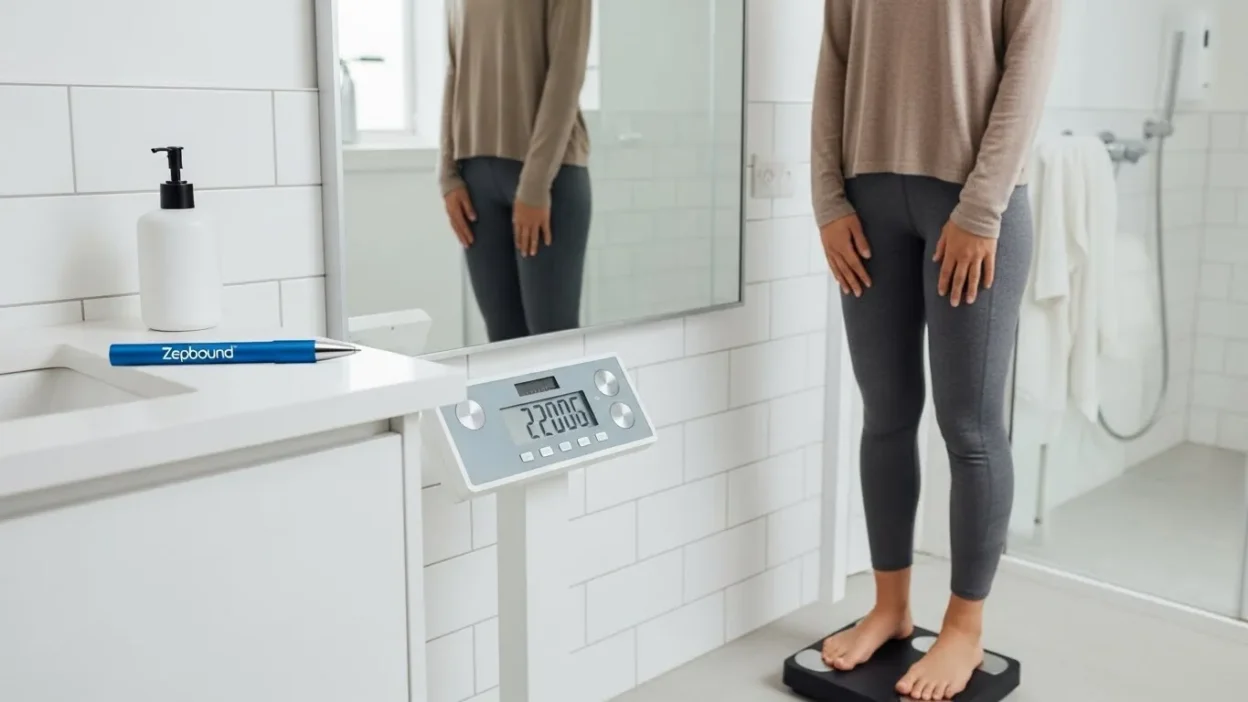
Taking Zepbound with the hope of losing weight, only to see little or no results, can be incredibly frustrating.
Many people start the medication with high expectations, following the prescribed dosage and even making lifestyle adjustments, yet still feel stuck.
If you’re asking, “Why am I not losing weight on Zepbound?”, you’re not alone.
Weight loss medications like Zepbound can be highly effective for some, but individual responses vary, and several factors can influence results.
From dosage timing and lifestyle habits to underlying medical conditions, a stalled weight loss journey often has multiple causes.
Understanding these factors is the first step toward breaking through plateaus and achieving real results.
In this article, we’ll explore why Zepbound may not be working for you, practical strategies to maximize its effectiveness, and tips for tracking progress beyond the scale.
Understanding Zepbound
Zepbound is a prescription medication designed to support weight loss by targeting the body’s appetite and metabolism. It works primarily by helping reduce hunger, which makes it easier to lower daily caloric intake without feeling deprived. Some studies suggest that Zepbound can also influence metabolic processes, helping the body burn calories more efficiently. However, it’s important to understand that Zepbound is not a magic solution—its effectiveness depends on consistent use, combined with healthy lifestyle habits.
Most users can expect gradual weight loss over time, rather than dramatic changes overnight. On average, noticeable results may appear within a few weeks, but individual responses vary widely. Factors like age, metabolism, diet, exercise routine, and underlying health conditions can all affect how quickly or significantly weight loss occurs.
It’s also important to note that Zepbound may not work the same way for everyone. While some users experience steady weight loss, others may encounter plateaus or slower progress. Recognizing how the medication works, what to expect, and how it interacts with your lifestyle is key to maximizing its effectiveness. By understanding these aspects, you can set realistic goals and take steps to address common barriers to success.
Common Reasons You Might Not Be Losing Weight
Even while taking Zepbound as prescribed, many people hit a weight loss plateau or see minimal changes. Understanding the reasons behind this can help you take the right steps to overcome it.
1. Dosage and Adherence Issues: Skipping doses, taking Zepbound inconsistently, or not following your doctor’s instructions can significantly reduce its effectiveness. Even small deviations in timing can affect results.
2. Lifestyle Factors: Diet and exercise play a critical role. Consuming hidden calories, relying on processed foods, or having a sedentary lifestyle can counteract the medication’s effects. Without proper nutrition and physical activity, weight loss may stall.
3. Metabolic Adaptation: The body naturally adjusts to caloric changes. Over time, metabolism may slow down in response to weight loss, making further progress more difficult.
4. Medical Conditions: Hormonal imbalances, thyroid issues, insulin resistance, or other metabolic disorders can interfere with weight loss, even when taking Zepbound.
5. Drug Interactions or Side Effects: Certain medications may reduce Zepbound’s effectiveness, while side effects like nausea or fatigue can make maintaining a healthy diet and exercise routine more challenging.
Recognizing these barriers early allows you to make adjustments. Whether it’s reviewing your dosage, improving lifestyle habits, or consulting your doctor, understanding why weight loss stalls is the first step toward achieving better results with Zepbound.
Tracking Progress Beyond the Scale
Focusing solely on the number on the scale can be misleading and discouraging, especially when taking Zepbound. Weight loss is not always linear, and small but meaningful changes can occur that aren’t immediately reflected in pounds. Tracking additional indicators can give a clearer picture of your progress.
1. Body Measurements: Measuring your waist, hips, chest, arms, and thighs can reveal changes in body composition, even if your overall weight remains the same. Fat loss and muscle gain may offset each other on the scale.
2. Body Fat Percentage: Using tools like calipers, smart scales, or professional assessments can help track fat loss, which is a more accurate measure of progress than weight alone.
3. Energy Levels and Fitness: Improvements in stamina, strength, or overall energy are significant signs that your body is responding to Zepbound and lifestyle changes, even if weight loss is slow.
4. Clothing Fit: Noticing how your clothes fit over time can be a motivating and practical indicator of progress.
5. Mental and Emotional Changes: Feeling more confident, less hungry, or more motivated to exercise are important markers of success that go beyond numbers.
By tracking multiple forms of progress, you can avoid discouragement during plateaus and make informed adjustments to your diet, exercise, or medication plan. Combining these measurements with patience and consistency helps create a realistic perspective, showing that even small changes contribute to long-term success on Zepbound.
Lifestyle Adjustments That Can Boost Zepbound’s Effectiveness
While Zepbound can help reduce appetite and support weight loss, combining it with smart lifestyle adjustments is essential for optimal results. Medications work best when paired with consistent habits that support overall health.
1. Nutrition: Focus on a balanced diet rich in whole foods, lean proteins, vegetables, fruits, and healthy fats. Avoid processed foods, sugary snacks, and high-calorie beverages that can offset Zepbound’s effects. Paying attention to portion sizes and mindful eating can also make a significant difference.
2. Exercise: Physical activity enhances weight loss and maintains muscle mass. Incorporate a combination of cardio, strength training, and flexibility exercises. Even daily walks or light activity throughout the day can boost metabolism and improve energy levels.
3. Sleep: Poor sleep can interfere with hormones that regulate appetite and metabolism. Aim for 7–9 hours of quality sleep per night to support weight loss and overall well-being.
4. Stress Management: Chronic stress increases cortisol, which can slow weight loss and encourage fat storage. Incorporate stress-reduction strategies like meditation, yoga, journaling, or deep-breathing exercises.
5. Hydration: Drinking enough water helps manage hunger, supports metabolism, and improves energy. Aim for at least 8 glasses per day, adjusting for activity levels.
Making these adjustments alongside Zepbound can help overcome plateaus, accelerate results, and improve long-term success. Small, consistent changes often lead to the biggest impact when combined with medication.
When to Seek Medical Advice
While Zepbound can be effective for many, there are times when stalled weight loss may signal the need for medical guidance. Recognizing these situations early ensures you can make informed decisions and avoid unnecessary frustration.
1. Lack of Progress Despite Adherence: If you’ve been taking Zepbound consistently for several weeks or months, following prescribed doses, and maintaining healthy lifestyle habits without any weight loss, it may be time to consult your doctor. Individual responses vary, and your physician can help assess why progress has stalled.
2. Underlying Medical Conditions: Conditions like thyroid disorders, insulin resistance, polycystic ovary syndrome (PCOS), or hormonal imbalances can interfere with weight loss. A healthcare provider can order tests to identify any underlying issues and adjust your plan accordingly.
3. Medication Interactions or Side Effects: Certain medications may reduce Zepbound’s effectiveness or cause side effects that make it difficult to adhere to your routine. Your doctor can review all prescriptions and recommend adjustments if needed.
4. Sudden Weight Changes or Health Concerns: Unexpected weight gain, severe fatigue, or other concerning symptoms should prompt immediate medical evaluation.
5. Seeking Alternatives or Adjustments: If Zepbound isn’t producing the desired results, a healthcare professional can discuss alternative weight loss medications, dosage adjustments, or combination approaches.
Consulting a doctor ensures your weight loss journey is safe, effective, and tailored to your individual needs. Professional guidance can help break through plateaus and set realistic, sustainable goals while minimizing risks.
Setting Realistic Expectations
One of the biggest challenges when taking Zepbound is managing expectations. While the medication can support weight loss, results are rarely immediate or dramatic, and understanding what to expect can prevent frustration and discouragement.
1. Gradual Progress: On average, users may lose a few pounds per week, but this varies depending on factors like metabolism, diet, exercise, and underlying health conditions. Plateaus are normal, and weight loss may slow after the initial weeks.
2. Non-Linear Results: Weight fluctuations are natural due to water retention, hormonal changes, or digestive factors. A stalled week or two does not mean the medication isn’t working. Tracking trends over time is more meaningful than focusing on daily numbers.
3. Long-Term Approach: Sustainable weight loss is a marathon, not a sprint. Combining Zepbound with consistent healthy habits—balanced nutrition, regular exercise, proper sleep, and stress management—yields the best outcomes.
4. Celebrating Non-Scale Victories: Improvements in energy, stamina, clothing fit, and mental well-being are important indicators of progress. Recognizing these achievements keeps motivation high and reinforces positive habits.
5. Patience and Consistency: Understanding that results take time helps maintain focus and prevents discouragement. Setting realistic, incremental goals allows you to celebrate small successes, which often add up to significant long-term results.
By approaching Zepbound with realistic expectations and a long-term mindset, you can reduce stress, avoid disappointment, and create a sustainable path toward achieving your weight loss goals.
Tips to Maximize Zepbound Results
To get the most out of Zepbound, it’s important to combine the medication with practical strategies and healthy habits. While Zepbound helps reduce appetite and support weight loss, small adjustments can make a big difference.
1. Follow the Prescribed Dosage Consistently: Take Zepbound exactly as prescribed by your healthcare provider. Skipping doses or altering timing can reduce effectiveness and slow progress.
2. Pair with a Balanced Diet: Focus on nutrient-dense foods that fuel your body. Lean proteins, vegetables, whole grains, and healthy fats help maintain energy while supporting fat loss. Avoid processed snacks and sugary drinks that can counteract the medication.
3. Incorporate Regular Exercise: Both cardio and strength training help burn calories, preserve muscle mass, and improve metabolism. Even moderate daily activity, such as walking or stretching, supports weight loss.
4. Track Progress Beyond the Scale: Monitor measurements, energy levels, clothing fit, and overall well-being. Recognizing these non-scale victories keeps motivation high.
5. Manage Sleep and Stress: Adequate sleep and stress reduction support hormone balance and prevent plateaus. Try relaxation techniques like meditation, yoga, or deep breathing exercises.
6. Avoid Common Mistakes: Don’t expect overnight results, and don’t rely solely on the medication. Be patient and persistent—weight loss is a gradual process.
7. Consult Your Healthcare Provider: If progress stalls despite consistent efforts, your doctor can help adjust your plan, check for underlying conditions, or suggest alternative approaches.
By combining Zepbound with these strategies, you can maximize effectiveness, overcome plateaus, and achieve sustainable, long-term weight loss success.
Conclusion
Not losing weight on Zepbound can be frustrating, but it’s important to remember that stalled progress is common and often temporary. Multiple factors—including dosage adherence, lifestyle habits, underlying medical conditions, and natural metabolic adaptations—can influence how the medication works for you. By understanding these factors, tracking progress beyond the scale, and implementing practical lifestyle adjustments, you can overcome plateaus and maximize Zepbound’s effectiveness.
Setting realistic expectations and celebrating small victories, such as improved energy, better fitness, or changes in clothing fit, helps maintain motivation and confidence. Consistency, patience, and a holistic approach are key to achieving sustainable results. If progress continues to be slow despite your best efforts, consulting a healthcare professional can provide personalized guidance, ensure safety, and help identify alternative strategies.
With the right combination of medication, healthy habits, and professional support, long-term weight loss goals on Zepbound are achievable.

Elizabeth Gilbert is a celebrated American author known for exploring self-discovery, spirituality, and life’s deeper meanings. Her writings inspire readers to uncover the hidden messages in dreams, symbols, and personal journeys—perfectly aligning with the mission of DreamMaening.com.