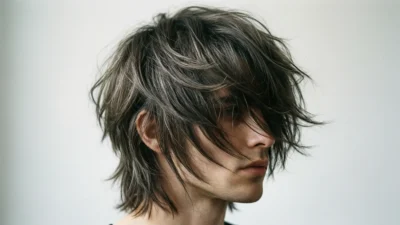
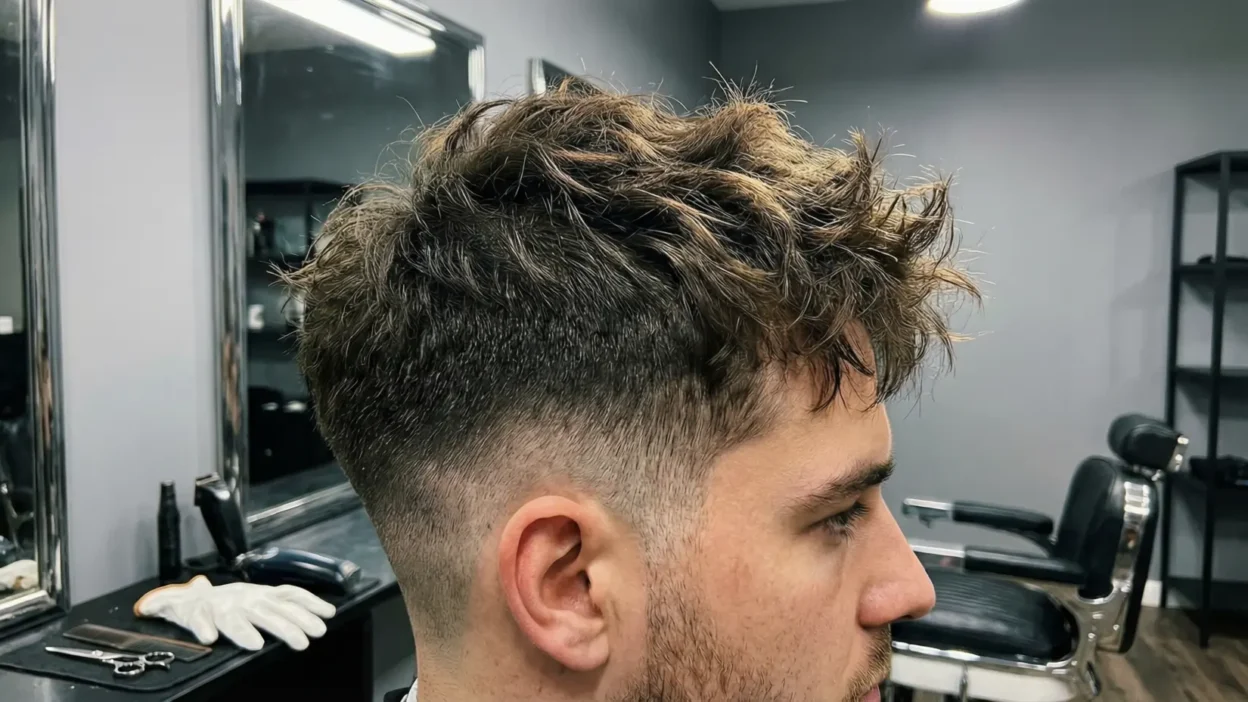
Looking for a haircut that’s sharp, stylish, and effortless to maintain? The taper fade is one of the most popular and versatile hairstyles today, loved by individuals alike.
From professional office settings to casual weekend outings, this haircut adapts perfectly to every lifestyle. What makes the taper fade stand out is its clean, gradual transition from longer hair on top to shorter sides and back, offering a polished yet modern look.
Whether you’re aiming for a subtle low fade, a bold high fade, or a creative drop fade, understanding the different styles and techniques can help you choose the perfect cut.
In this guide, we’ll cover everything from the history and types of taper fades to styling tips, maintenance advice, and the latest trends so you can confidently step into any barber chair knowing exactly what will suit your hair and personality.
What is a Taper Fade?
A taper fade is more than just a haircut it’s a versatile style that combines precision with modern grooming. At its core, a taper fade gradually reduces the length of hair on the sides and back while keeping the top longer, creating a seamless transition that looks clean and polished. Unlike regular haircuts, the taper fade focuses on blending, so there are no harsh lines, making it suitable for both formal and casual settings.
Taper fades come in several variations, including low, mid, and high fades, each offering a distinct look. A low taper fade starts just above the ears, providing a subtle and professional appearance, perfect for office environments. A mid taper fade balances style and visibility, ideal for those who want a modern but not too bold look. The high taper fade starts closer to the crown, giving a sharp, edgy aesthetic that stands out. There’s also the skin or bald taper fade, which creates a striking contrast by cutting the sides and back down to the skin, offering a clean and daring style.
One of the reasons taper fades have remained popular is their adaptability. They work with almost every hair type straight, wavy, or curly and complement different face shapes. Whether paired with a slick back, textured crop, or even a beard, the taper fade enhances your overall style without looking overdone. In short, this haircut is a perfect blend of classic grooming and contemporary flair, making it a timeless choice for anyone looking to upgrade their look.
History and Evolution of the Taper Fade
The taper fade has a rich history rooted in classic barbering traditions, yet it has evolved into one of the most modern and stylish haircuts today. Its origins can be traced back to the early 20th century when barbers began experimenting with gradual haircuts that offered a clean, professional appearance. Unlike standard cuts that simply trimmed hair to a uniform length, tapering created a smooth transition from longer hair on top to shorter sides and back a concept that was both practical and stylish.
Over the decades, the taper fade gained popularity in urban and military communities, where grooming standards emphasized precision and neatness. Soldiers, in particular, favored the taper fade because it required minimal maintenance while maintaining a polished look. As barbers refined their techniques, the fade became more versatile, allowing for variations in height, length, and blending styles.
In recent years, the taper fade has exploded in mainstream fashion and pop culture. Celebrities, athletes, and influencers have embraced it, inspiring countless modern variations like the drop fade, shadow fade, and even skin fades. Today, the taper fade is not just a haircut it’s a statement of style, individuality, and confidence. Its evolution reflects how haircuts have shifted from purely functional grooming to expressions of personal style.
From its classic roots to contemporary adaptations, the taper fade proves that a simple yet expertly executed haircut can stand the test of time. Whether you prefer a subtle low taper for professionalism or a bold high fade to make a statement, understanding its history helps you appreciate why this style remains a favorite in barber shops around the world.
Types of Taper Fades
One of the reasons the taper fade is so popular is its versatility. Barbers can customize the fade to match your style, hair type, and personality. Understanding the different types of taper fades can help you choose the perfect haircut for your face shape and lifestyle.
Low Taper Fade – The low taper fade starts just above the ears and gradually blends into the longer hair on top. This subtle fade is perfect for professional settings or anyone looking for a clean, understated style. It’s easy to maintain and works well with straight or slightly wavy hair.
Mid Taper Fade – Starting a bit higher on the head, the mid taper fade offers a balanced look. It’s stylish without being too bold, making it a great choice for everyday wear. This fade pairs well with various hairstyles, including textured crops and comb-overs.
High Taper Fade – The high taper fade starts near the crown and creates a sharp contrast between the sides and the top. This bold, modern look is ideal for those who want to make a statement. It works especially well with thick or curly hair, adding definition and style.
Skin / Bald Taper Fade – The skin taper fade is the most dramatic, shaving the sides and back down to the skin. This creates a clean, edgy look that’s perfect for summer or high-fashion styles.
Drop Fade / Shadow Fade – These are creative variations where the fade curves or blends differently for a more unique appearance. Barbers often add designs or textures to make the haircut stand out even more.
Each taper fade style offers a different level of sophistication and personality, making it easy to find one that fits your lifestyle and aesthetic.
Choosing the Right Taper Fade for Your Face Shape
A taper fade looks good on almost everyone, but choosing the right style for your face shape can make a huge difference in how polished and balanced your haircut appears. Knowing which fade complements your features ensures your haircut enhances your natural look rather than overpowering it.
Round Face: If you have a round face, a high taper fade works best. By adding height on top and keeping the sides short, the haircut creates the illusion of length, making your face appear more oval and defined.
Square Face: Strong jawlines and angular features pair well with mid or high taper fades. The gradual blending softens harsh angles while highlighting your facial structure, giving a clean yet masculine appearance.
Oval Face: Oval faces are the most versatile, allowing you to try low, mid, or high taper fades. Almost any variation will suit you, so you can focus on the style that matches your personality and hair type.
Heart-Shaped Face: For heart-shaped faces, a low or mid taper fade balances the wider forehead with a narrower chin. Keeping some length on top adds proportion and draws attention evenly across your face.
Curly or Wavy Hair: Taper fades also adapt beautifully to textured hair. Low or mid fades work well with curls, allowing natural volume on top while keeping the sides neat.
By understanding your face shape and hair type, you can choose a taper fade that enhances your features, complements your lifestyle, and ensures you leave the barber chair looking confident and stylish.
How to Ask Your Barber for the Perfect Taper Fade
Getting the perfect taper fade starts with clear communication with your barber. Even the most skilled barber can miss the mark if they don’t understand exactly what you want. Knowing how to describe your ideal fade ensures you walk out with a haircut that fits your style, hair type, and lifestyle.
Bring Reference Images: One of the easiest ways to communicate your vision is by bringing photos. Show your barber the exact fade you want whether it’s low, mid, high, or a skin taper fade. Visual references reduce misunderstandings and help your barber replicate the style accurately.
Understand Clipper Guard Numbers: Taper fades are often described using clipper guard numbers, which indicate hair length. For example, a #1 guard leaves very short hair, while a #4 or #5 guard keeps it longer. Knowing the numbers for your sides, back, and top helps your barber achieve a consistent fade.
Explain Your Lifestyle: Let your barber know how much maintenance you’re willing to do. A low fade may require less frequent touch-ups, while a high or skin fade may need regular trips to the barber to stay sharp.
Talk About Hair Texture and Growth: Your barber can tailor the fade to suit your hair type whether straight, wavy, curly, or thick. Mention any problem areas, like cowlicks or uneven growth, so they can adjust the cut accordingly.
Ask Questions: Don’t hesitate to ask about styling tips, recommended products, or ways to maintain your fade at home. A little guidance from your barber ensures your taper fade looks fresh and polished every day.
By following these tips, you can confidently communicate your vision and get a taper fade that suits your face, hair, and personal style perfectly.
Styling Your Taper Fade
A taper fade isn’t just about the haircut itself it’s also about how you style it to match your personality and lifestyle. With the right techniques and products, you can make your fade look sharp, modern, and effortlessly stylish every day.
Everyday Styling: For a clean, professional look, comb your hair neatly with a light hold product like a styling cream or pomade. This works well for low and mid taper fades and keeps your hair in place throughout the day. For a more casual or textured look, use a matte wax or clay to add volume and definition without making your hair look greasy.
Textured or Curly Hair: Taper fades complement natural curls and waves beautifully. Use curl-enhancing creams or leave-in conditioners to maintain shape and reduce frizz. Finger-styling is often better than combing for textured hair to keep the fade looking natural.
Slick Back and Comb Over: For mid or high taper fades, the slick back or comb-over is a classic choice. Apply a strong-hold gel or pomade and comb hair back for a sharp, modern appearance. This style works well for both formal events and everyday wear.
Spikes and Modern Cuts: If you prefer an edgy look, you can spike the top with styling clay or create a messy textured crop. This works best with high taper fades, where the contrast between the top and sides adds dimension and character.
Maintenance Tips: Even the best styling products can’t save a fade that’s grown out too much. Regular trims every 3–4 weeks ensure your taper fade maintains its clean, polished appearance.
With the right styling techniques and products, your taper fade can adapt to any occasion from professional meetings to casual hangouts while highlighting your personal style.
Taper Fade Maintenance
A taper fade looks best when it is well-maintained. Unlike standard haircuts, fades require regular attention to keep the transition clean and the edges sharp. With the right care, your taper fade can stay fresh, polished, and stylish for weeks.
Regular Trims: One of the most important aspects of maintaining a taper fade is scheduling regular barber visits. Most fades look best when touched up every 3–4 weeks. Low fades can last a bit longer, while high or skin fades need more frequent maintenance to preserve their sharp look.
At-Home Touch-Ups: If you’re comfortable with clippers, you can do minor touch-ups at home to maintain the sides and back between barber visits. However, be cautious fades require precision, and a small mistake can alter the overall look.
Hair and Scalp Care: Healthy hair enhances any haircut, including taper fades. Use a quality shampoo and conditioner suited to your hair type, and avoid over-washing, which can strip natural oils. For textured or curly hair, leave-in conditioners or hair oils can help maintain shine and reduce frizz.
Styling Products: Proper styling products can prolong the fade’s appearance. Light creams, pomades, or clays work well for everyday use, while stronger gels or waxes can help maintain more structured styles. Avoid heavy products that weigh down your hair or make the fade look greasy.
Edge Maintenance: Keeping the hairline and edges sharp enhances the overall fade. Many people visit the barber just for a quick edge-up between full fades, which keeps the haircut looking precise and clean.
With consistent care, the taper fade remains one of the most versatile and stylish haircuts, always looking polished and modern.
Taper Fade Trends in 2026
The taper fade continues to dominate barber shops and fashion magazines, evolving with modern trends while remaining a timeless classic. In 2026, we see a mix of bold, edgy fades alongside subtle, professional styles, giving everyone the opportunity to find a look that fits their personality and lifestyle.
High Fades with Texture: One of the most popular trends this year is pairing a high taper fade with textured hair on top. Whether it’s curls, waves, or a messy crop, adding texture gives the fade dimension and movement, making it more dynamic and modern.
Drop Fades and Shadow Fades: Creative variations like drop fades and shadow fades are gaining traction. Drop fades curve slightly around the back and sides, creating a unique silhouette, while shadow fades offer a soft, gradual transition for a more understated yet stylish effect.
Fade and Beard Combinations: Many men are pairing taper fades with well-groomed beards. The fade complements the beard line, creating a balanced, harmonious look that highlights facial features and adds sophistication.
Celebrity and Influencer Inspiration: Celebrities, athletes, and social media influencers continue to shape taper fade trends. From classic clean fades to bold, creative patterns, seeing these styles in the media inspires people to experiment with their own looks.
Personalized Touches: 2026 also emphasizes individuality. Barbers are incorporating unique lines, partings, and designs into fades to make each haircut distinct. Whether subtle or bold, these personalized touches help clients stand out.
The taper fade’s adaptability ensures it remains a favorite haircut. By following these 2026 trends, you can stay stylish while keeping the classic, polished essence of this iconic haircut.
Common Mistakes to Avoid with a Taper Fade
While the taper fade is versatile and stylish, there are several common mistakes that can prevent it from looking its best. Avoiding these errors ensures your haircut remains sharp, polished, and flattering for your face shape and hair type.
Choosing the Wrong Fade for Your Hair Type: Not all fades work equally well with every hair texture. For example, very thin hair may not hold a high taper fade as effectively, while very curly hair may require adjustments for a smoother transition. Consult your barber to select a fade that complements your hair.
Over-Styling or Heavy Product Use: Using too much product can weigh hair down, make the fade look greasy, or obscure the clean lines. Stick to a small amount of styling cream, clay, or pomade, depending on your desired look.
Neglecting Maintenance: A taper fade grows out quickly, especially high and skin fades. Waiting too long between trims can result in uneven edges and a messy appearance. Schedule touch-ups every 3–4 weeks to keep your fade looking fresh.
Miscommunication with Your Barber: Not clearly explaining the type of fade you want is one of the biggest mistakes. Bring reference images, discuss clipper guard numbers, and describe your lifestyle to ensure the barber delivers exactly what you envision.
Ignoring Edge and Hairline Care: Clean, sharp edges are essential for a polished fade. Neglecting the hairline can make even a well-executed fade appear sloppy. Regular touch-ups or edge-ups help maintain precision.
By avoiding these mistakes, you can ensure your taper fade remains stylish, modern, and flattering highlighting your best features while keeping your overall look clean and professional.
Final Thoughts :
The taper fade is more than just a haircut it’s a statement of style, confidence, and versatility. Its ability to adapt to different face shapes, hair types, and personal preferences makes it one of the most popular haircuts worldwide.
Whether you prefer a subtle low fade for a professional, clean-cut appearance or a bold high or skin fade to make a modern, edgy statement, there’s a taper fade to suit every personality.
Choosing the right taper fade comes down to understanding your hair type, face shape, and lifestyle. Curly, straight, thick, or thin hair each can be enhanced with the right fade style.
Additionally, pairing your fade with the right haircut on top, whether a slick back, textured crop, or comb-over, can elevate your overall look. Proper maintenance, regular trims, and the right styling products ensure your fade stays fresh and polished over time.
Beyond style, the taper fade is a versatile choice for almost any occasion. From the office to casual outings, weddings, or social events, this haircut adapts seamlessly, offering a modern yet timeless aesthetic. Its popularity in 2026 continues to grow, fueled by creative variations, celebrity influence, and barber innovation.
If you’ve been thinking about upgrading your hairstyle, the taper fade is a reliable and stylish option. Visit a skilled barber, communicate your preferred style clearly, and experiment with different variations until you find the fade that perfectly matches your personality.
With the right approach, your taper fade will not only enhance your appearance but also boost your confidence and leave a lasting impression wherever you go.

Joan Didion is a passionate writer at DreamMaening.com, exploring the hidden meanings behind dreams, symbols, and life’s mysteries with clarity and insight.