
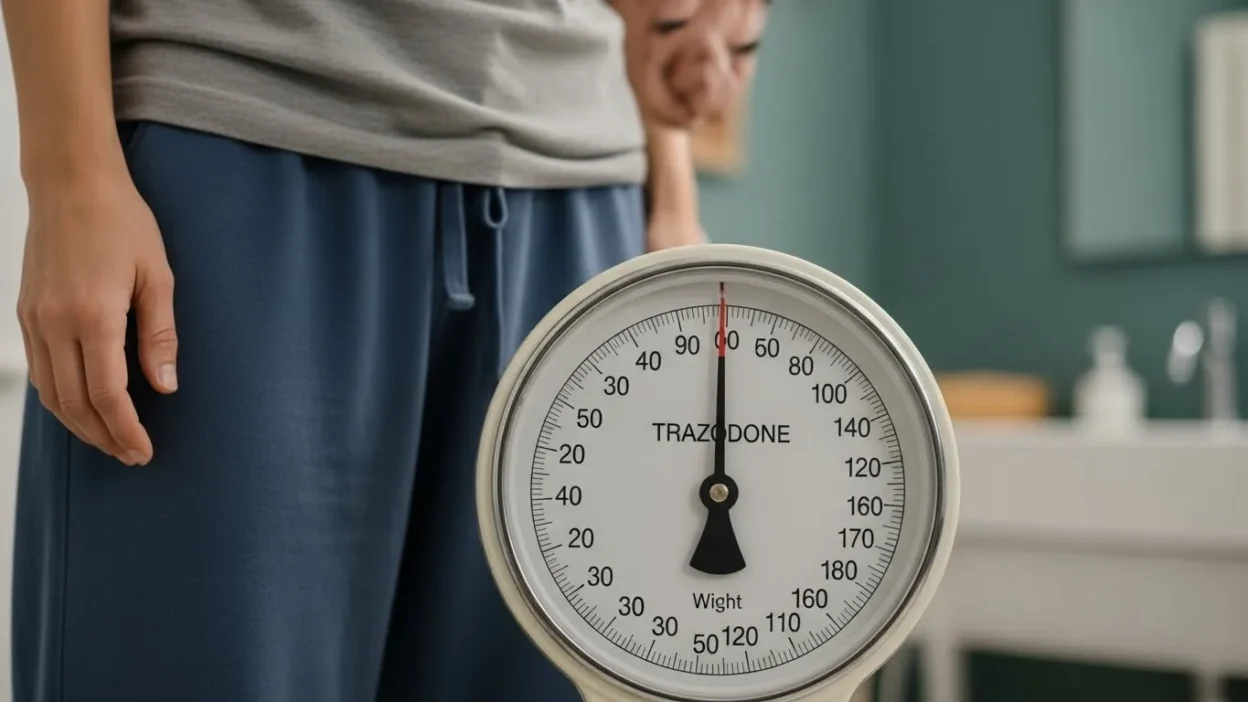
Trazodone is a commonly prescribed medication used to treat depression, anxiety, and insomnia.
While it is generally considered effective and well-tolerated, many patients are concerned about potential side effects one of the most frequently asked questions being whether trazodone causes weight gain.
Understanding how this medication may affect your body is important, especially for those already managing weight-related health issues.
Weight changes while taking antidepressants can result from a combination of factors, including changes in appetite, metabolism, and activity levels.
While some people may notice little to no impact on their weight, others report gradual increases over time.
In this article, we will explore the relationship between trazodone and weight gain, examining scientific studies,
individual experiences, mechanisms behind potential weight changes, and practical strategies to manage or prevent unwanted weight gain while benefiting from the medication.
What is Trazodone?
Trazodone is an antidepressant medication belonging to the class of serotonin antagonist and reuptake inhibitors (SARIs). It is primarily prescribed for depression, but its off-label use for insomnia and anxiety has become increasingly common. Unlike other antidepressants, trazodone has a sedative effect, which makes it particularly useful for patients struggling with sleep disturbances. It works by balancing the levels of serotonin—a key neurotransmitter in the brain that regulates mood, sleep, and appetite—helping improve both emotional well-being and sleep quality.
Trazodone is available in various forms, including immediate-release and extended-release tablets, and the dosage prescribed depends on the patient’s condition and response to treatment. Common side effects include drowsiness, dizziness, dry mouth, and mild nausea. While generally considered safe, some individuals report more significant effects, including changes in weight. Understanding what trazodone is and how it functions provides essential context for examining its potential role in weight changes.
Can Trazodone Cause Weight Gain?
Many patients taking trazodone wonder whether weight gain is a common side effect, and the answer is somewhat nuanced. Clinical studies indicate that trazodone is less likely to cause significant weight gain compared to some other antidepressants, such as tricyclic antidepressants (TCAs) or certain SSRIs. However, individual responses vary, and some patients do report gradual increases in weight over time.
Research suggests that weight changes with trazodone are often mild to moderate and tend to develop over weeks or months rather than immediately after starting the medication. Factors such as dosage, treatment duration, and personal metabolism can influence whether weight gain occurs. Additionally, some reports suggest that trazodone’s sedative effect may contribute indirectly to weight changes. By promoting sleep, it can improve energy levels and mood, but in some individuals, it may also reduce daytime activity, leading to slight weight increases.
Patient experiences vary widely. While some notice no change at all, others may experience a small but noticeable weight increase, especially if they are prone to changes in appetite or have a history of weight fluctuations. Overall, trazodone’s weight gain potential exists but is typically lower than many other antidepressants, making it a preferred option for patients concerned about this side effect. Understanding why weight changes may occur requires examining how trazodone interacts with appetite, metabolism, and lifestyle factors.
Why Trazodone May Lead to Weight Gain
While trazodone is generally considered to have a lower risk of weight gain compared to other antidepressants, there are several reasons why some patients may experience increases in weight during treatment. One key factor is changes in appetite. Trazodone affects serotonin levels in the brain, which not only influence mood but also play a role in regulating hunger and satiety. For certain individuals, this can lead to an increased desire to eat or cravings for high-calorie foods.
Another contributing factor is sedation and reduced physical activity. Trazodone is known for its calming, sleep-promoting effects. While this helps patients with insomnia or anxiety, excessive daytime drowsiness may reduce overall energy expenditure, meaning fewer calories are burned throughout the day. Over time, this lower activity level can contribute to gradual weight gain.
Hormonal changes related to improved sleep may also play a subtle role. Better sleep can influence hormones such as leptin and ghrelin, which regulate hunger and metabolism. In some individuals, these hormonal shifts might lead to mild increases in appetite or alterations in how the body processes food.
Finally, individual factors such as genetics, metabolism, age, sex, and pre-existing weight conditions can determine how noticeable weight changes are. Not everyone will experience weight gain, and the amount can vary widely among patients. Understanding these mechanisms helps patients and healthcare providers anticipate potential changes and develop strategies to maintain a healthy weight while benefiting from trazodone.
Factors That Influence Weight Gain Risk
Not everyone taking trazodone will experience weight gain, and several factors can influence an individual’s risk. Dosage and duration of treatment are among the most significant. Higher doses and long-term use may increase the likelihood of gradual weight changes, as the body adjusts to prolonged medication effects on serotonin and metabolism. In contrast, patients on lower doses or short-term treatment often notice minimal or no weight change.
Lifestyle habits also play a crucial role. Sedentary individuals who already engage in minimal physical activity may be more susceptible to weight gain due to trazodone’s sedative effects. Conversely, those who maintain regular exercise routines may offset potential increases in appetite or metabolic changes. Diet quality is equally important; high-calorie or sugar-rich foods combined with reduced activity can amplify weight gain.
Other medications can further influence this risk. Patients taking multiple drugs that affect metabolism, appetite, or fluid retention may see more pronounced changes in weight. Additionally, individual factors such as age, sex, baseline metabolism, and pre-existing weight conditions can determine susceptibility. Older adults or individuals with slower metabolic rates may gain weight more easily.
Finally, genetic predispositions and personal health history can make some individuals more prone to weight changes on trazodone. By understanding these risk factors, patients and healthcare providers can proactively monitor weight, adjust lifestyle habits, and make informed decisions about dosage or alternative treatment options.
How to Manage or Prevent Weight Gain on Trazodone
For patients concerned about weight gain while taking trazodone, several strategies can help manage or prevent unwanted changes. Monitoring your weight regularly is a simple but effective first step. Keeping track of weekly or monthly measurements can help identify trends early, allowing timely adjustments to diet, activity, or medication if necessary.
Dietary strategies play a major role in managing weight. Eating balanced meals rich in vegetables, lean proteins, whole grains, and healthy fats can help control appetite and prevent excess calorie consumption. Limiting processed foods, sugary snacks, and late-night eating—particularly if trazodone increases appetite—can further reduce weight gain risk.
Exercise and physical activity are equally important. Incorporating daily routines such as walking, jogging, yoga, or strength training helps maintain metabolism and counteracts the sedative effects of trazodone. Even light activity throughout the day, like taking short breaks to move or stretching, can make a difference over time.
Medical consultation is crucial for individualized management. Patients experiencing significant weight changes should discuss their concerns with a healthcare provider. Adjusting the dose, switching to an alternative medication, or combining trazodone with lifestyle interventions may be recommended.
Finally, combining these approaches—consistent monitoring, balanced nutrition, regular exercise, and professional guidance—can help patients maintain a healthy weight while still benefiting from trazodone’s therapeutic effects. With proactive management, weight gain does not have to interfere with effective treatment.
Comparing Trazodone to Other Antidepressants
When considering antidepressants, weight gain is often a key factor in choosing the right medication. Compared to many other options, trazodone generally has a lower risk of significant weight gain, making it a preferred choice for patients concerned about this side effect.
Selective serotonin reuptake inhibitors (SSRIs), such as paroxetine and sertraline, are widely used antidepressants but can cause moderate weight gain in some patients over time. Tricyclic antidepressants (TCAs), like amitriptyline and nortriptyline, are also associated with higher rates of weight increase due to their effects on metabolism and appetite. In contrast, trazodone’s unique pharmacological profile tends to produce more mild weight effects, though individual responses can vary.
Another advantage of trazodone is its sedative effect, which helps improve sleep—a common concern for many patients with depression or anxiety. While improved sleep may indirectly influence appetite and metabolism, the overall weight gain risk remains generally lower than that of TCAs or some SSRIs.
It is important to note that individual response plays a significant role. Some patients may gain weight on trazodone, while others may experience weight stability or even mild weight loss, depending on lifestyle, metabolism, and other medications.
Ultimately, when selecting an antidepressant, weight considerations should be balanced with treatment effectiveness, side effect profiles, and personal health goals. Trazodone’s relatively lower weight impact, combined with its sleep benefits, makes it a valuable option for many patients.
cle:
Frequently Asked Questions (FAQs)
Patients taking trazodone often have specific questions about weight changes and how to manage them. Addressing these concerns can provide clarity and reassurance.
- Does trazodone cause weight gain immediately?
Weight gain from trazodone is generally gradual rather than immediate. Most patients may notice changes over weeks or months, as the body adjusts to the medication’s effects on serotonin, appetite, and metabolism. - Can weight gain be reversed if trazodone is stopped?
In many cases, weight gain can stabilize or even decrease after discontinuing trazodone. However, it’s important to consult a healthcare provider before stopping or adjusting the dosage, as abrupt cessation can lead to withdrawal symptoms or a return of depression or insomnia. - Are there natural ways to offset weight gain while on trazodone?
Yes. Maintaining a balanced diet, staying physically active, monitoring portion sizes, and avoiding high-calorie snacks can help minimize weight gain. Regular exercise also supports metabolism and energy balance. - How long does it take for weight changes to appear?
Weight changes typically appear within several weeks to a few months. Individual differences, dosage, lifestyle habits, and metabolism all play a role in timing and extent of weight change. - Is weight gain more likely in men or women?
There is no definitive evidence that one sex is more susceptible, though individual factors like baseline metabolism, activity level, and hormonal differences can influence outcomes.
By understanding these FAQs, patients can better anticipate potential changes, manage expectations, and take proactive steps to maintain a healthy weight while benefiting from trazodone treatmen
Conclusion
Trazodone is a widely prescribed antidepressant and sleep aid that is generally well-tolerated and effective.
While concerns about weight gain are common among patients, research and clinical experience suggest that trazodone is less likely to cause significant weight gain compared to other antidepressants.
That said, individual responses vary, and some patients may experience mild to moderate increases in weight over time.
Factors such as dosage, duration of treatment, lifestyle habits, metabolism, and genetics all influence how likely a person is to notice changes in their weight.
Understanding the mechanisms behind potential weight gain changes in appetite, metabolism, and activity levels can help patients and healthcare providers anticipate and manage these effects. Practical strategies
including regular weight monitoring, maintaining a balanced diet, engaging in consistent physical activity, and consulting a healthcare professional about medication adjustments,
can effectively minimize unwanted weight changes.
Ultimately, the benefits of trazodone for improving mood, reducing anxiety, and promoting healthy sleep often outweigh the risk of mild weight gain.
Patients should work closely with their healthcare providers to ensure a personalized approach that balances treatment effectiveness with overall health and well-being.
By staying informed and proactive, it is possible to enjoy the therapeutic advantages of trazodone while maintaining a healthy weigh

Elizabeth Gilbert is a celebrated American author known for exploring self-discovery, spirituality, and life’s deeper meanings. Her writings inspire readers to uncover the hidden messages in dreams, symbols, and personal journeys—perfectly aligning with the mission of DreamMaening.com.