
Losing weight can be challenging, especially for women who face unique biological and lifestyle factors that influence their metabolism, hormones, and fat distribution.
With countless weight loss programs available, choosing the right one can feel overwhelming and confusing.
Some programs focus solely on diet, while others emphasize exercise or a combination of both.
However, not all approaches are equally effective or safe for women.
This guide is designed to help women navigate the world of weight loss programs, offering evidence-based insights and practical tips.
You’re looking for at-home routines, structured gym plans, or diet-focused strategies, there’s a program suited to your lifestyle and goals.
By understanding the different options available, learning how to set realistic expectations, and prioritizing safety and sustainability,
You can embark on a weight loss journey that not only helps you shed pounds but also improves your overall health, confidence, and well-being.
Why Women Need Specialized Weight Loss Programs
Women’s bodies are biologically different from men’s, which means weight loss strategies that work for men may not always be effective for women. Hormones, metabolism, and fat distribution all play a significant role in how women gain, store, and lose weight. For instance, estrogen and progesterone influence fat storage around the hips, thighs, and abdomen, while testosterone levels affect muscle mass and metabolism. These differences make it essential for women to follow weight loss programs tailored specifically to their physiology.
Metabolic differences are another key factor. Women generally have a slower basal metabolic rate than men, meaning they burn fewer calories at rest. This makes it important to focus on both nutrition and strength-building exercises that help increase metabolism over time.
Lifestyle factors also impact weight loss. Many women balance work, family, and social responsibilities, leaving little time for lengthy workouts or strict diet plans. Programs designed for women often account for busy schedules, offering flexible meal plans and shorter, effective exercise routines.
Finally, psychological and social factors influence women’s weight loss journeys. Motivation, self-image, and emotional eating habits are unique challenges many women face. Specialized programs address these challenges, providing support, structure, and realistic goals. By choosing programs designed for women, you increase the chances of achieving sustainable, long-term results.
Top Weight Loss Programs for Women
Choosing the right weight loss program can be overwhelming with so many options available. The best programs for women combine nutrition, exercise, and support while being flexible enough to fit different lifestyles. Here are some of the most effective and popular programs designed specifically for women:
1. WW (Weight Watchers): This program emphasizes portion control, balanced meals, and a points-based system that encourages healthier food choices. WW also provides community support and coaching, helping women stay motivated and accountable.
2. Noom: Noom focuses on behavioral changes, teaching users to develop healthier habits, track their food intake, and understand emotional triggers for eating. It’s ideal for women who want a sustainable approach rather than quick fixes.
3. Jenny Craig: A structured program offering pre-packaged meals and personalized coaching. Jenny Craig is especially helpful for women who prefer a guided, step-by-step approach to weight loss without having to plan meals themselves.
4. Home-Based Fitness Programs: Programs like Beachbody, Peloton, and online workout subscriptions allow women to exercise at home with minimal equipment. These programs often combine cardio, strength training, and flexibility routines tailored for female physiology.
5. Gym-Based Programs: Many women benefit from structured programs at gyms or fitness studios, where personal trainers can provide customized plans, track progress, and offer accountability.
Each program has pros and cons depending on your goals, lifestyle, and preferences. The key is finding a program that fits your schedule, aligns with your health needs, and provides the right balance of nutrition, exercise, and support for long-term success.
Diet-Focused vs Exercise-Focused Approaches
When it comes to weight loss, women often wonder whether to focus more on diet, exercise, or a combination of both. Understanding the benefits of each approach can help you choose a strategy that fits your lifestyle and goals.
Diet-Focused Programs: Diet is the cornerstone of weight loss for most women. Consuming fewer calories than your body burns is essential for fat loss, and diet-focused programs help you achieve this through structured meal plans, portion control, and nutrient-dense foods. Programs like Jenny Craig or tailored meal plans focus on creating a calorie deficit while providing essential vitamins, minerals, and protein. A well-balanced diet not only promotes weight loss but also improves energy, digestion, and overall health.
Exercise-Focused Programs: Exercise alone can help burn calories, build lean muscle, and boost metabolism, making it easier to maintain weight loss long-term. Strength training, cardio, and flexibility workouts all contribute to fat loss while improving body composition. Programs like Beachbody or gym-based training emphasize building muscle, which increases your basal metabolic rate and supports sustainable weight management.
Combination Programs: The most effective programs often combine both diet and exercise. A dual approach ensures you’re burning calories while providing your body with proper nutrition to fuel workouts and recovery. Programs like WW or Noom integrate healthy eating habits with physical activity, creating a balanced, sustainable weight loss plan.
Ultimately, the best approach depends on your goals, lifestyle, and preferences. Many women achieve the most success by combining a realistic, balanced diet with regular, enjoyable exercise tailored to their needs.
Home-Based Options for Busy Women
For many women, balancing work, family, and personal commitments makes attending the gym or following strict in-person programs challenging. Home-based weight loss programs offer flexibility, convenience, and the ability to tailor routines to your schedule, making them an excellent option for busy women.
Online Workout Programs: Platforms like Beachbody, Peloton, and Daily Burn provide a variety of workouts that can be done at home, including strength training, cardio, yoga, and pilates. Many programs allow you to adjust intensity and duration, making it easy to fit a workout into a 20–30 minute break.
App-Based Coaching Programs: Apps such as Noom, MyFitnessPal, or FitOn combine meal tracking, exercise guidance, and habit coaching. They offer personalized plans, goal tracking, and motivational reminders, which help women stay accountable without leaving home.
Minimal Equipment Workouts: Resistance bands, dumbbells, kettlebells, or even bodyweight exercises can provide effective strength and cardio training at home. These exercises can be easily incorporated into short daily routines, making consistency achievable.
Meal Planning and Delivery Services: Home-based programs also extend to nutrition. Services like HelloFresh or pre-portioned meal kits help women maintain a balanced diet with minimal prep time. Combining these with workout routines can produce impressive results.
Home-based programs are ideal for women with busy schedules, childcare responsibilities, or those who prefer privacy. The key is consistency, choosing workouts you enjoy, and maintaining balanced nutrition. With dedication, home-based programs can be just as effective as gym-based programs for sustainable weight loss.
Setting Realistic Goals and Measuring Success
Setting realistic goals is a crucial step in any weight loss journey for women. Many start with high expectations, aiming for rapid results, only to feel frustrated when progress is slower than anticipated. Sustainable weight loss is typically around 0.5 to 1 kilogram (1–2 pounds) per week, allowing the body to adapt and reducing the risk of regaining weight.
Short-Term vs. Long-Term Goals: Short-term goals, such as losing 2–5 kilograms in a month or completing three workouts per week, provide motivation and a sense of achievement. Long-term goals, like reaching a healthy weight range, improving fitness levels, or reducing body fat percentage, focus on overall health and lifestyle changes rather than just the number on the scale.
Measuring Progress Beyond the Scale: Weight alone is not the only measure of success. Track other indicators such as body measurements, clothing fit, energy levels, endurance, and strength improvements. For example, fitting into a favorite pair of jeans, completing a 30-minute workout without fatigue, or feeling more energetic are meaningful milestones.
Accountability and Tracking: Using journals, apps, or progress photos can help maintain accountability and visualize improvement over time. Many women find it helpful to set weekly or monthly check-ins to assess progress and adjust their program as needed.
By setting achievable goals and using multiple measures of success, women are more likely to stay motivated, maintain consistency, and achieve sustainable, long-term results in their weight loss journey.
Safety and Sustainability Tips
When embarking on a weight loss program, safety and sustainability should be top priorities for women. Crash diets, extreme fasting, or overexercising can lead to short-term results but often harm your health and make long-term success difficult.
Avoid Extreme Diets and Fad Programs: Diets that severely restrict calories or eliminate entire food groups can cause nutrient deficiencies, fatigue, and muscle loss. Programs promising rapid results in days or weeks are rarely sustainable and may compromise hormonal balance, which is particularly important for women.
Focus on Balanced Nutrition: A sustainable program emphasizes a balanced diet rich in lean proteins, whole grains, fruits, vegetables, and healthy fats. Women should also pay attention to nutrients like iron, calcium, and vitamin D, which support bone health and energy levels.
Incorporate Gradual Lifestyle Changes: Small, consistent changes—such as reducing sugary drinks, increasing daily activity, or meal prepping—are easier to maintain than drastic overhauls. Gradual adjustments help build habits that last beyond the program.
Exercise Wisely: Avoid overtraining, which can lead to injury or burnout. Include strength training, cardio, and flexibility exercises to support metabolism, improve muscle tone, and enhance overall health.
Listen to Your Body: Rest and recovery are essential. Pay attention to energy levels, sleep, and mental well-being. Stress management and self-care improve adherence to any program.
By prioritizing safety and sustainability, women can achieve steady, long-term weight loss while improving overall health. Programs that focus on balanced nutrition, consistent exercise, and realistic habits are more likely to deliver lasting results than quick fixes or extreme approaches.
Nutrition Tips for Women in Weight Loss Programs
Nutrition is a cornerstone of any effective weight loss program, and women have unique dietary needs that must be considered. Focusing on balanced meals, portion control, and nutrient-dense foods can accelerate weight loss while supporting overall health.
Prioritize Protein: Protein helps build lean muscle, boosts metabolism, and keeps you feeling full longer. Include sources like chicken, fish, eggs, legumes, and Greek yogurt in each meal. Adequate protein also supports recovery from exercise, which is crucial in combined diet-and-exercise programs.
Include Healthy Fats: Healthy fats from nuts, seeds, avocados, and olive oil improve satiety and provide essential fatty acids for hormonal balance. Women often benefit from incorporating these fats to support metabolism and long-term energy.
Smart Carbohydrate Choices: Focus on complex carbohydrates like whole grains, vegetables, and fruits. These provide fiber, stabilize blood sugar levels, and prevent energy crashes, which are common with refined carbs.
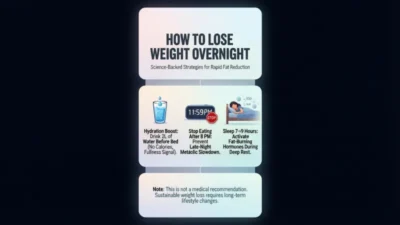
Hydration Matters: Drinking enough water is essential for metabolism, digestion, and appetite control. Women should aim for at least 2–3 liters daily, adjusting for activity level and climate.
Meal Timing and Snacking: Eating balanced meals at regular intervals helps control hunger and prevents overeating. Healthy snacks, like fruit, nuts, or yogurt, can keep energy levels steady between meals.
Plan and Prep: Preparing meals in advance reduces reliance on processed foods and helps maintain portion control. Even simple strategies, like batch cooking or pre-chopping vegetables, can make sticking to a weight loss program much easier.
By following these nutrition tips, women can fuel their bodies properly, maintain energy for workouts, and achieve sustainable weight loss without sacrificing health or wellbeing.
Exercise Tips for Women
Exercise is a critical component of any successful weight loss program for women, not just for burning calories, but also for building lean muscle, improving metabolism, and supporting overall health. Incorporating a variety of workouts ensures balanced results and prevents boredom.
Strength Training: Resistance exercises using weights, resistance bands, or bodyweight are essential for women. Building lean muscle increases your resting metabolic rate, helping you burn more calories even at rest. Focus on major muscle groups—legs, glutes, back, chest, and arms—2–3 times per week.
Cardiovascular Exercise: Cardio workouts, such as brisk walking, jogging, cycling, or HIIT (high-intensity interval training), help burn calories, improve heart health, and increase endurance. Incorporate 150–300 minutes of moderate-intensity or 75–150 minutes of vigorous-intensity cardio weekly, depending on fitness level.
Flexibility and Mobility: Yoga, Pilates, and stretching routines enhance flexibility, reduce injury risk, and improve posture. These exercises also support stress management, which can influence weight loss outcomes.
Consistency Over Intensity: Short, consistent workouts often yield better results than sporadic intense sessions. Even 20–30 minutes a day of focused exercise can significantly impact weight loss and overall health.
Listen to Your Body: Recovery is just as important as training. Rest days allow muscles to repair and prevent burnout or injury, keeping you motivated and consistent in the long term.
By combining strength training, cardio, and flexibility exercises, women can maximize fat loss, improve body composition, and maintain a healthier, stronger body while supporting sustainable weight loss goals.
Mindset and Motivation
A positive mindset and strong motivation are key factors in achieving long-term weight loss success for women. Even the best diet and exercise programs will fall short without mental focus, consistency, and resilience.
Set Realistic Expectations: Understand that sustainable weight loss takes time. Avoid comparing your progress to others or expecting overnight results. Setting achievable milestones helps maintain motivation and prevents discouragement.
Celebrate Small Wins: Acknowledging progress—whether it’s losing a few pounds, completing a new workout, or fitting into a favorite outfit—boosts confidence and reinforces positive behaviors. These small victories are essential for long-term success.
Build a Support System: Surround yourself with people who encourage your goals. Friends, family, online communities, or fitness groups can provide accountability, motivation, and guidance. Sharing your journey with others reduces isolation and strengthens commitment.
Focus on Habits, Not Perfection: Weight loss is about creating sustainable lifestyle habits rather than striving for perfection. Consistently making healthier choices, even small ones, adds up over time and produces lasting results.
Overcome Setbacks: Plateaus, missed workouts, or indulgent meals are normal. Instead of feeling guilty, analyze what went wrong and adjust your plan. Resilience is built through learning from setbacks and continuing forward.
By cultivating a positive mindset, staying motivated, and focusing on consistency rather than perfection, women can navigate challenges, maintain long-term commitment, and achieve sustainable weight loss that improves both health and confidence.
Success Stories & Case Studies
Hearing real-life success stories can inspire and motivate women to stick with their weight loss programs. Many women achieve remarkable results by finding the right combination of nutrition, exercise, and mindset that fits their lifestyle.
Case Study 1: Sarah’s Journey with WW
Sarah, a 35-year-old working mother, struggled to lose weight due to a busy schedule and emotional eating habits. She joined WW, focusing on portion control, meal tracking, and weekly group support. Over six months, Sarah lost 18 kilograms while improving her energy levels and confidence. She credits her success to the program’s flexibility, accountability, and balanced approach to food.
Case Study 2: Emily’s Home-Based Transformation
Emily, a 28-year-old remote worker, preferred at-home workouts. She combined online fitness programs with a structured meal plan and strength-training routine. In four months, Emily lost 12 kilograms and noticed significant improvements in muscle tone and endurance. The convenience of home-based workouts allowed her to stay consistent despite a hectic schedule.
Case Study 3: Maria’s Balanced Lifestyle Approach
Maria, age 42, combined exercise, nutrition, and mindfulness practices. By setting realistic goals, focusing on habit changes, and practicing self-care, she lost 15 kilograms over five months. Maria highlights that building sustainable habits, rather than relying on quick fixes, led to lasting results and improved mental well-being.
These stories demonstrate that success is achievable with programs tailored to women’s unique needs, consistency, and a balanced approach. Each journey is different, but the common thread is dedication, realistic goals, and sustainable lifestyle changes that lead to lasting health and confidence.

Elizabeth Gilbert is a celebrated American author known for exploring self-discovery, spirituality, and life’s deeper meanings. Her writings inspire readers to uncover the hidden messages in dreams, symbols, and personal journeys—perfectly aligning with the mission of DreamMaening.com.