Let’s be honest—most of us walk into the gym wearing whatever sneakers look cool, tie the laces, and start lifting like “haan bas ho gaya”.
But here’s the truth no one tells you: your feet decide how strong, stable, and safe your lifts really are. That’s exactly where weight training shoes come in.
Unlike running shoes that feel like pillows under your feet, weight training shoes are built for balance, power, and control.
You’re squatting heavy, pulling deadlifts, or grinding through leg day, the right shoes can quietly level up your performance without you even realizing it.
Better posture, stronger lifts, and fewer “oye my knees” moments—sounds good, right?
In this guide, we’ll break down what weight training shoes are, why they matter, how to choose the right pair, and whether they’re actually worth your money. So if you’re serious about lifting smarter (not just heavier), you’re in the right place.
What Are Weight Training Shoes?
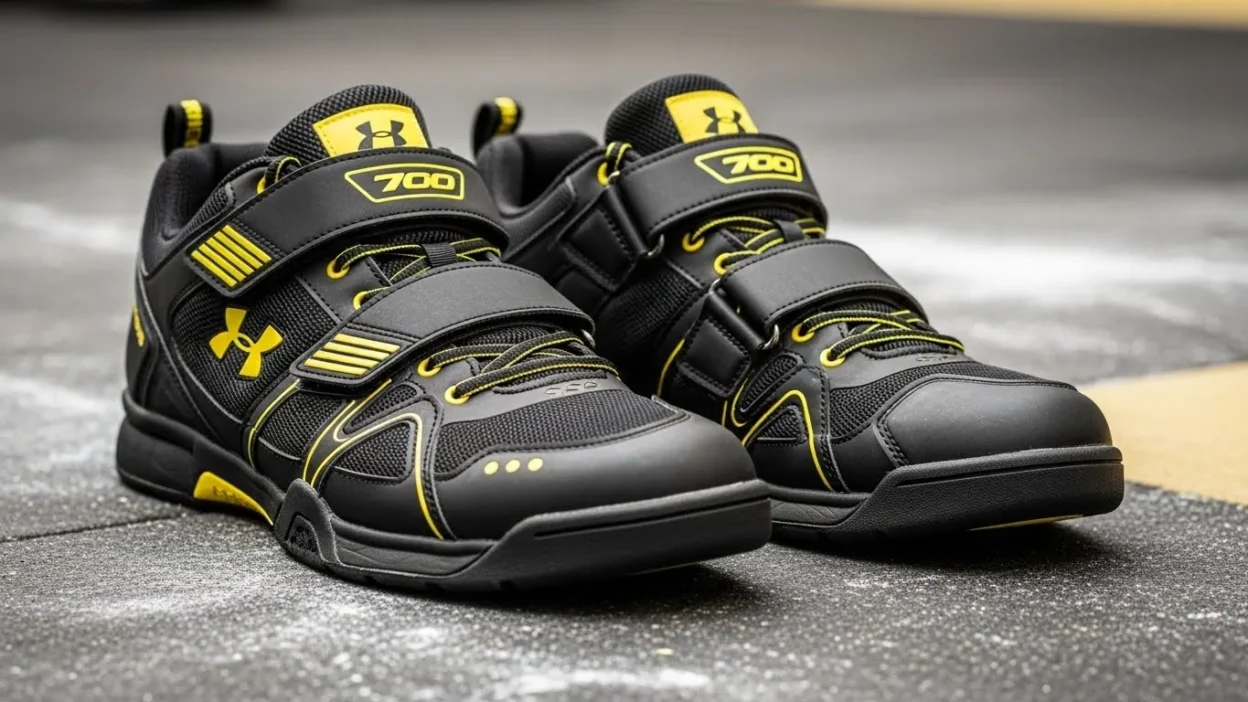
If you thought all gym shoes are basically the same, think again. Weight training shoes are specially designed footwear that gives you stability, support, and power where it matters most—under your feet. Unlike running shoes, which prioritize cushioning and shock absorption, weight training shoes focus on keeping your feet grounded so you can lift efficiently and safely.
The main idea is simple: when you lift heavy, every ounce of force your body generates has to travel through your feet into the ground. A soft, squishy running shoe absorbs that energy instead of transferring it, which can leave you wobbling, off-balance, or even injured. Weight training shoes fix this problem with a firm, flat sole, solid heel, and structured upper that locks your foot in place.
These shoes aren’t just for elite athletes or bodybuilders—they’re for anyone serious about strength training, powerlifting, or even CrossFit. They come in different styles depending on your lifting goals: some have a slightly raised heel for better squat depth, while others are completely flat to maximize deadlift stability. Materials, grip, and fit are also optimized so your foot stays planted during explosive movements, reducing the risk of slips or strain.
Simply put, weight training shoes give you the confidence to lift heavier, train smarter, and protect your joints. They’re not a gimmick—they’re a foundational tool that every lifter should at least consider before stepping under the bar.
Why Regular Running Shoes Are Bad for Weight Training
We all love those cushy running shoes—they make jogging feel like walking on clouds. But the gym is a whole different story. When it comes to lifting weights, those soft, bouncy soles are actually working against you.
The problem starts with stability. Running shoes are designed to absorb shock, which is perfect for forward motion on a treadmill but terrible when you’re squatting, deadlifting, or doing heavy presses. That extra cushion under your heels and arches makes your feet less stable, which can shift your balance and even compromise your form. One small wobble under a heavy barbell is all it takes for a knee, ankle, or back injury to sneak in.
Another issue is force transfer. Every time you push the ground, your body generates power. Running shoes absorb a lot of that energy, which means less force actually reaches the floor. In plain terms, your lifts feel weaker, and you might be leaving gains on the table.
Finally, grip matters. Many running shoes have soles made for pavement or treadmill surfaces—not gym floors or lifting platforms. A lack of traction increases your risk of slipping during explosive moves like cleans, snatches, or box jumps.
In short, running shoes are great for running… but not for lifting. If you’re serious about weight training, investing in weight training shoes isn’t just a “nice-to-have”—it’s a move that protects your joints, boosts performance, and helps you lift safely.
Key Features of Good Weight Training Shoes
Not all weight training shoes are created equal. If you want to lift safely and maximize your performance, knowing the key features to look for is crucial. Here’s what separates a good pair from just “okay” gym shoes.
1. Flat or Minimal Cushion Sole:
A flat sole keeps your feet firmly planted and improves stability. Unlike running shoes, which sink and absorb energy, a firm sole ensures power transfers directly from your legs to the floor, making lifts like squats and deadlifts safer and more effective.
2. Heel Height:
Some weightlifting shoes have a slightly raised heel, which helps with squat depth and ankle mobility. Flat heels are better for deadlifts, where keeping your foot close to the ground maximizes stability. Choosing the right heel height depends on your lifting style and goals.
3. Firm Midsole and Outsole:
A stiff midsole prevents your foot from bending under heavy loads, while a solid outsole keeps you balanced on different surfaces. This feature is essential for lifting heavy safely and efficiently.
4. Grip and Traction:
Non-slip soles prevent slipping on gym floors, platforms, or even slightly dusty surfaces. Grip matters more than you think—one small slip can ruin a lift or cause injury.
5. Fit and Lockdown:
Your shoes should hug your feet comfortably without squeezing. Laces, straps, or hybrid systems help lock your foot in place, giving you confidence during explosive movements.
6. Upper Material and Breathability:
Durable materials like leather provide support, while breathable mesh keeps your feet cool. A balance of strength and comfort is key.
In short, the perfect weight training shoe keeps you stable, improves your form, and ensures every lift is efficient and safe.
Benefits of Wearing Weight Training Shoes
If you’ve ever wondered whether weight training shoes are really worth the investment, the benefits might surprise you. These shoes do more than just look cool—they actually improve performance, protect your body, and boost confidence under the bar.
1. Better Balance and Stability:
The firm sole and snug fit of weight training shoes keep your feet planted. This improves your balance, allowing you to lift heavier weights without wobbling or losing control. Whether it’s a squat, deadlift, or overhead press, stable footing is everything.
2. Improved Lifting Form:
Proper shoes help maintain correct posture by aligning your feet, ankles, and knees. This makes your technique more efficient, reducing the risk of rounding your back or leaning forward during lifts. Better form = better gains.
3. Increased Power Transfer:
Unlike cushioned running shoes, weight training shoes transfer every ounce of force directly into the floor, making each lift more powerful. You’ll notice your lifts feel stronger and more controlled.
4. Reduced Injury Risk:
By stabilizing your feet and improving alignment, these shoes protect your joints and ligaments. Slip-resistant soles prevent accidents, while firm support reduces strain on knees, ankles, and lower back.
5. Confidence Under the Bar:
There’s a psychological edge too. Wearing the right shoes makes you feel more prepared, giving you the confidence to tackle heavier weights and push your limits safely.
In short, weight training shoes are a small investment that can pay off big in performance, safety, and results. They’re not just a fancy accessory—they’re a smart tool for anyone serious about lifting.
Types of Weight Training Shoes
Not all weight training shoes are the same—different styles cater to different lifts and training goals. Knowing the types will help you choose the pair that matches your workout routine perfectly.
1. Olympic Weightlifting Shoes:
These are the classic lifting shoes with a slightly raised heel and firm, non-compressible sole. The raised heel helps improve squat depth and ankle mobility, making them ideal for squats, clean & jerks, and snatches. The snug fit and solid base also enhance stability during explosive movements. These are perfect if your focus is Olympic lifts or serious leg strength work.
2. Flat Lifting Shoes:
Flat shoes have zero or minimal heel height and extremely firm soles. They’re designed for deadlifts and powerlifting, where keeping your foot close to the ground maximizes stability and force transfer. Many lifters prefer flat shoes or even minimalist shoes for heavy deadlifts to feel “connected” to the floor.
3. Cross-Training / Hybrid Shoes:
These are versatile shoes built for weight training plus cardio. They typically have moderate cushioning, a stable sole, and a flexible upper. While not as specialized as lifting shoes, they’re great for full-body workouts, circuit training, or CrossFit, offering a balance between support and comfort.
4. Minimalist or Barefoot-Inspired Shoes:
Some lifters prefer extremely flat, flexible shoes that mimic barefoot lifting. These allow natural foot movement and maximum ground contact but may require adaptation for stability with heavy lifts.
Choosing the right type depends on your training style, goals, and lifts. Olympic shoes are best for squats and Olympic lifts, flat shoes excel for deadlifts, and cross-training shoes suit general gym sessions or mixed workouts.
Best Weight Training Shoes for Different Exercises
Choosing the right weight training shoes isn’t just about style—it’s about matching the shoe to your specific lifts. Here’s a quick guide to help you pick the best pair for different exercises.
1. Best Shoes for Squats:
For squats, a slightly raised heel is ideal. It helps you sit deeper, maintain better posture, and reduce strain on your ankles. Olympic weightlifting shoes are perfect here, providing stability and support so you can push heavier without losing form.
2. Best Shoes for Deadlifts:
Deadlifts require a flat, firm sole that keeps your feet as close to the ground as possible. This maximizes power transfer and stability. Flat lifting shoes or even minimalist shoes are preferred by most powerlifters because they prevent your heels from lifting and help maintain proper form.
3. Best Shoes for Leg Day / Compound Movements:
For exercises like lunges, step-ups, or leg presses, stability and grip are key. A shoe with a firm midsole and solid outsole works best, whether it’s slightly heeled or flat. The shoe should lock your foot in place during dynamic movements.
4. Best Shoes for Full-Body or Mixed Workouts:
If you’re doing CrossFit, circuit training, or a mix of lifting and cardio, cross-training shoes offer the perfect balance. They’re stable enough for lifts, but flexible and cushioned enough for jumps, sprints, or quick transitions.
Tip: Avoid running shoes for any of these workouts—they cushion too much, reduce stability, and limit your power transfer. Matching the right shoe to the exercise will improve performance, reduce injury risk, and make your lifts feel smoother and stronger.
Weight Training Shoes vs Running Shoes
A lot of gym-goers make the mistake of thinking that any athletic shoe will do for lifting. Spoiler alert: it won’t. Weight training shoes and running shoes serve very different purposes, and using the wrong one can hurt both your performance and your joints.
Cushioning vs Stability:
Running shoes are designed to absorb impact while moving forward. That’s great for jogging, but when you’re squatting, deadlifting, or pressing heavy weights, all that cushion reduces stability. Weight training shoes, on the other hand, have firm soles that keep your feet planted, ensuring proper balance and alignment.
Force Transfer:
Every lift requires transferring power from your legs through your feet to the floor. Running shoes absorb a lot of that energy, making your lifts feel weaker and less controlled. Weight training shoes are built to maximize force transfer, helping you lift heavier with better form.
Heel Design:
Running shoes often have a high heel-to-toe drop, which can throw off your lifting posture. Weight training shoes either have a small raised heel for squats or a flat design for deadlifts, ensuring proper alignment and joint safety.
Grip and Traction:
Most running shoes are made for pavement, treadmills, or casual gym use—not for heavy lifting platforms. Weight training shoes have non-slip soles, reducing the risk of slipping during intense lifts.
In short, if your goal is strength, stability, and injury prevention, weight training shoes win hands down. Running shoes are for running; weight training shoes are for lifting smarter and safer.
Weight Training Shoes vs CrossFit Shoes
If you’re a gym-goer who mixes lifting with high-intensity workouts, you might wonder whether CrossFit shoes can replace dedicated weight training shoes. The short answer: it depends on your priorities—but there are clear differences.
1. Stability vs Versatility:
Weight training shoes are designed for maximum stability, with firm soles and a locked-in fit that keeps your feet grounded during squats, deadlifts, and Olympic lifts. CrossFit shoes, by contrast, are more versatile. They allow for quick lateral movements, jumps, and short sprints, but they usually sacrifice some stability compared to pure lifting shoes.
2. Heel Height and Sole Design:
Many weight training shoes have either a raised heel for squats or a flat sole for deadlifts, optimizing power transfer. CrossFit shoes often have a moderate heel and slightly softer sole to balance lifting with dynamic movements like box jumps or rope climbs. This can be less ideal if your main focus is heavy lifting.
3. Cushioning and Flexibility:
CrossFit shoes provide more cushioning and flexibility, which helps during plyometrics, running, or agility drills. Weight training shoes keep your foot rigid and stable for strength exercises, making every lift more controlled.
4. Who Should Use Which:
- Weight training shoes: If your workouts are primarily squats, deadlifts, and Olympic lifts.
- CrossFit shoes: If you need a hybrid shoe for mixed workouts that include lifting plus cardio, agility, and plyometrics.
In short, CrossFit shoes trade a bit of lifting stability for versatility, while weight training shoes prioritize safety, performance, and proper technique under heavy loads. Choosing the right shoe depends on what you value most in your training.
How to Choose the Right Weight Training Shoes
Picking the right pair of weight training shoes can feel overwhelming, especially with so many options on the market. But if you know what to look for, it’s much simpler. Here’s a step-by-step guide.
1. Consider Your Training Goals:
Are you mainly squatting, deadlifting, or doing a mix of lifts and functional workouts? If squats dominate your routine, choose shoes with a slightly raised heel. For deadlifts, go flat for maximum stability. If your workouts are mixed with cardio or CrossFit, a hybrid shoe might be better.
2. Check Heel Height and Sole Firmness:
Heel height affects ankle mobility and squat depth, while a firm sole ensures proper force transfer. Avoid soft, cushioned shoes—they can reduce stability and weaken your lifts.
3. Evaluate Fit and Lockdown:
Your shoe should hug your foot comfortably without squeezing. Laces, straps, or hybrid systems keep your foot secure, preventing movement during heavy lifts.
4. Look at Material and Durability:
Leather provides stability and support, while breathable mesh keeps your feet cool. A balance of durability and comfort is essential for long-term use.
5. Budget Considerations:
Weight training shoes range from affordable options to high-end models. While you don’t need the most expensive pair, investing in a reliable, well-built shoe can improve performance and reduce injury risk.
6. Try Before You Buy (if possible):
Everyone’s feet are different. Test the shoes for comfort, grip, and stability. Walk, squat, and simulate lifts to make sure they feel right under heavy loads.
By focusing on these factors, you’ll find a pair that enhances performance, protects your joints, and grows with your lifting goals.
Weight Training Shoes for Beginners
If you’re just starting out with strength training, you might wonder: Do I really need weight training shoes yet? The short answer: not immediately, but they help a lot as you progress. Beginners often rely on running shoes or casual sneakers, but the right lifting shoes can make your workouts safer, more effective, and more comfortable.
1. Stability and Confidence:
Beginners often struggle with balance while learning proper form. Weight training shoes provide a firm, stable base, helping you maintain posture during squats, deadlifts, and other compound lifts. This reduces the risk of wobbling or tipping forward, which can lead to injury.
2. Learning Proper Form:
Shoes with a slight heel or firm flat sole help beginners understand correct weight distribution. Squats feel more natural, deadlifts more grounded, and you can focus on technique rather than fighting unstable shoes.
3. Budget-Friendly Options:
You don’t need the priciest pair to start. Many beginner-friendly weightlifting shoes are affordable, durable, and comfortable, giving you the benefits of stability and support without breaking the bank.
4. Transition as You Progress:
Even if you start with regular gym shoes, upgrading to weight training shoes becomes important once you lift heavier weights. They’re a small investment that pays off in safety and performance as your strength increases.
5. Common Beginner Mistakes:
Avoid shoes that are too soft, too flexible, or too big. A proper fit with lockdown support is essential, even for beginners.
In short, weight training shoes aren’t just for advanced lifters—they’re a smart choice for anyone serious about lifting safely and learning proper form from the start.
Are Weight Training Shoes Worth It?
You might be thinking, “Do I really need weight training shoes, or are they just another gym gimmick?” The truth is, they’re absolutely worth it for most serious lifters—and here’s why.
1. Safety First:
The main benefit of weight training shoes is injury prevention. They provide a stable base, proper grip, and controlled heel height, reducing the risk of slips, ankle twists, and joint strain. Over time, protecting your knees, ankles, and lower back can save you from painful setbacks.
2. Better Performance:
Every lift—from squats to deadlifts—requires efficient force transfer from your legs to the floor. Weight training shoes prevent energy loss from soft, cushioned soles, helping you lift heavier and more effectively. This is especially noticeable in compound lifts and Olympic-style movements.
3. Confidence Under the Bar:
Wearing the right shoes can give you a psychological boost. Knowing your feet are secure allows you to focus entirely on technique and pushing your limits, rather than worrying about slipping or sinking into your shoes.
4. Longevity and Durability:
Quality weightlifting shoes are built to last years, unlike typical sneakers that wear out quickly under heavy lifting stress. It’s an investment in both your workouts and your long-term joint health.
5. Who Benefits Most:
- Beginners learning proper form
- Intermediate lifters increasing their load
- Advanced lifters focusing on strength and Olympic lifts
In short, if your goal is safer, stronger, and smarter lifting, weight training shoes are worth every penny. They’re not just a luxury—they’re a foundational tool for better performance and long-term gains.
Common Myths About Weight Training Shoes
There’s a lot of confusion and misinformation about weight training shoes. Let’s bust some common myths so you can lift smarter.
Myth 1: “Any gym shoe will work for lifting.”
Many people think their running shoes or casual sneakers are fine for lifting. The truth? Cushioned shoes reduce stability and force transfer, making lifts less efficient and increasing the risk of injury. A proper weight training shoe gives you a firm, grounded base for every squat, deadlift, or press.
Myth 2: “Weight training shoes are only for professionals.”
Some beginners assume lifting shoes are only for elite athletes. In reality, anyone serious about safe lifting can benefit. Even light to moderate lifters gain stability, confidence, and better technique from the right shoes.
Myth 3: “More cushion is better.”
While it feels comfy, extra cushioning under heavy loads actually reduces control and stability. Weight training shoes have minimal to firm soles to keep your feet locked in place and ensure proper force transfer.
Myth 4: “Raised heels are dangerous.”
A raised heel is not a risk—it’s a tool. It helps with squat depth and ankle mobility. The key is choosing the correct heel height for your exercise and foot mobility.
Myth 5: “You can run in weight training shoes.”
Technically yes, but it’s not ideal. They’re designed for lifting, not running. Using them for cardio can wear them out quickly and reduce comfort.
Breaking these myths helps beginners and pros alike make informed choices, lift safely, and avoid wasting money on the wrong footwear.
How to Care for Weight Training Shoes
Buying the right weight training shoes is only half the battle—the other half is taking care of them so they last and perform well. Proper care keeps your shoes stable, clean, and safe, ensuring every lift feels solid.
1. Keep Them Clean:
After each workout, wipe off dirt, dust, and sweat with a damp cloth. Avoid throwing them in the washing machine, as water and detergent can damage the structure and firmness of the sole. For stubborn stains, use a gentle brush or mild soap.
2. Dry Properly:
Never leave your shoes in direct sunlight or near a heater. Instead, air-dry them in a cool, ventilated area. Heat can warp the midsole, affecting stability and lifting performance.
3. Rotate Shoes (Optional):
If you train often, having a backup pair can reduce wear and tear. Rotating shoes gives each pair time to recover, especially if they get damp from sweat.
4. Store Smartly:
Keep your shoes in a dry, clean place. Avoid stacking heavy items on top of them, as this can distort their shape and reduce the support your feet need during lifts.
5. Check for Wear:
Over time, soles can wear down or the heel may compress. Regularly inspect your shoes, especially if you notice changes in stability, grip, or form during lifts. Replacing worn shoes is crucial to prevent injury.
6. Avoid Using for Other Activities:
Weight training shoes are designed specifically for lifting. Running, casual walking, or outdoor activities can wear them out faster and compromise performance.
With proper care, your weight training shoes can last years, keep you stable, and make every lift safer and more effective.
Next, we can move to “Frequently Asked Questions (FAQs)” (~250 words). Should I continue?
Frequently Asked Questions (FAQs) About Weight Training Shoes
Here are some common questions lifters ask about weight training shoes, answered clearly so you can make the right choice.
1. Can I squat without weight training shoes?
Yes, you can, but it’s not ideal. Squatting in running shoes or soft sneakers reduces stability and force transfer, which can compromise form and limit strength gains. Weight training shoes provide a firm, stable base to improve technique and safety.
2. Are Converse good for lifting?
Yes! Many lifters use flat-soled Converse or similar canvas shoes for deadlifts and squats. They mimic minimalist lifting shoes, keeping your feet close to the ground. However, they may lack ankle support and durability for heavy Olympic lifts.
3. Can I run in weight training shoes?
Technically yes, but they’re not designed for running. Weight training shoes are rigid and stable, which is great for lifting but uncomfortable and less shock-absorbing for running. Using them for cardio may also wear them out faster.
4. How long do weight training shoes last?
With proper care, weightlifting shoes can last 2–5 years, depending on frequency of use and intensity. Inspect the soles, midsole, and upper material for signs of wear before deciding to replace them.
5. Do women need different weight training shoes?
Not necessarily. The main differences are fit and sizing. Some brands offer models tailored for women, but many standard men’s or unisex shoes work perfectly as long as the fit and support are correct.
6. Are expensive shoes always better?
Not always. Price often reflects brand, design, or materials, but even affordable shoes can offer excellent stability and durability. Focus on features and fit, not just cost.
These FAQs cover the most common doubts and help you choose, use, and maintain your shoes effectively for maximum performance and safety.
Final Verdict – Should You Buy Weight Training Shoes?
So, after everything we’ve covered, the big question: Are weight training shoes really worth it? The short answer: yes—for most serious lifters, they are a game-changer.
Weight training shoes are not just a fancy accessory; they’re a tool designed to protect your joints, improve your form, and boost performance. Whether you’re squatting, deadlifting, or performing Olympic lifts, a firm sole, proper heel height, and secure fit make a noticeable difference. Even beginners benefit, as stable shoes help maintain balance and learn proper technique, reducing the risk of injury.
For intermediate and advanced lifters, the advantages become even clearer. Every lift transfers more power to the floor, your form stays consistent under heavier loads, and your confidence grows. Over time, this can lead to stronger lifts, safer workouts, and better results.
Of course, they’re not mandatory for everyone. If your training is light, mostly bodyweight or casual gym sessions, running shoes might suffice. But once you start lifting heavier weights or want to optimize your strength, investing in a quality pair of weight training shoes pays off.
Quick Decision Guide:
- Focused on squats/deadlifts → choose specialized weightlifting shoes
- Mixed training (lifting + cardio) → consider cross-training shoes
- Beginner → affordable, stable shoes to learn proper form

Elizabeth Gilbert is a celebrated American author known for exploring self-discovery, spirituality, and life’s deeper meanings. Her writings inspire readers to uncover the hidden messages in dreams, symbols, and personal journeys—perfectly aligning with the mission of DreamMaening.com.