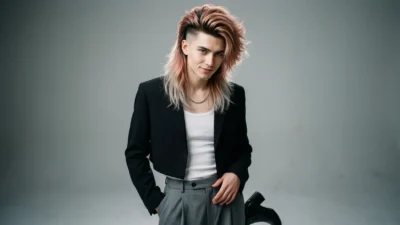
If you’ve been scrolling through Instagram, TikTok, or K-pop fashion pages and keep seeing a layered, edgy haircut that looks effortlessly cool, chances are you’re already looking at the wolf cut.
And trust me, this isn’t just another passing hair trend. As someone who closely studies hairstyle movements and how they evolve with personality and self-expression, I can tell you the wolf cut has a story, a vibe, and a strong attitude behind it.
The wolf cut blends the rebellious energy of a mullet with the softness of a shag, creating a look that feels wild yet stylish, messy yet intentional.
People are choosing it not only for volume and texture, but because it reflects confidence, creativity, and freedom. Whether you’re thinking about changing your look or just curious why everyone is obsessed with this haircut, this guide will walk you through everything you need to know before taking the leap.
What Is a Wolf Cut Hairstyle?
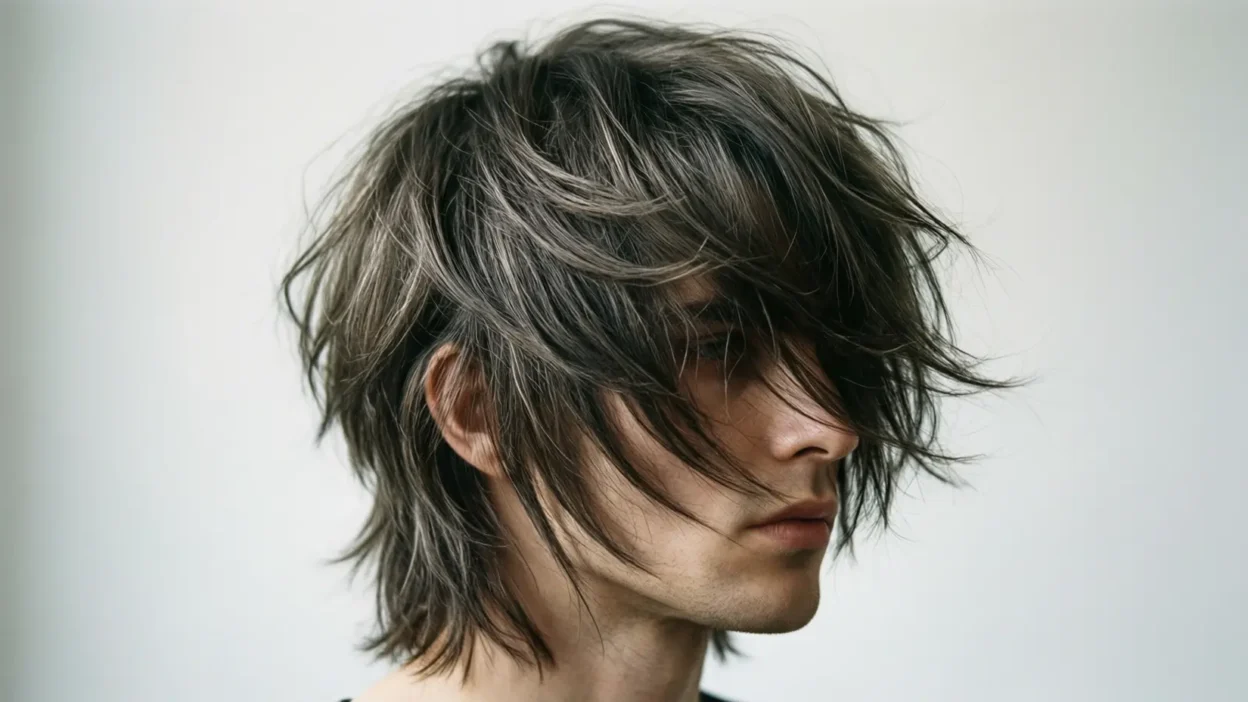
The wolf cut hairstyle is a modern, layered haircut that combines the best elements of two iconic styles: the shag and the mullet. What makes it unique is the heavy volume at the crown, choppy layers throughout, and a more tapered, wispy length toward the ends. The result is a look that feels wild, textured, and full of movement, just like a wolf’s mane, which is exactly where the name comes from.
Unlike clean or polished haircuts, the wolf cut is designed to look slightly messy and effortless. The layers are intentionally uneven, creating natural volume without relying on excessive styling. This is why the wolf cut works so well for people who want a bold transformation without committing to a high-maintenance routine. It embraces imperfection and turns it into style.
One of the biggest reasons the wolf cut became so popular is its versatility. It can be customized for short, medium, or long hair, and it adapts beautifully to straight, wavy, or curly textures. Bangs are often a key feature, ranging from soft curtain bangs to sharp, choppy fringes that frame the face and enhance facial features.
The wolf cut also stands out because it doesn’t follow traditional beauty rules. Instead of symmetry and smoothness, it focuses on personality and expression. This makes it especially appealing to Gen Z and creative individuals who see their hairstyle as part of their identity. In simple terms, the wolf cut isn’t just a haircut, it’s a statement that says you’re confident enough to stand out.
The Origin and History of the Wolf Cut
The wolf cut may feel like a brand-new trend, but its roots go much deeper into hairstyle history. This haircut is inspired by two iconic styles from past decades: the shag haircut of the 1970s and the mullet popular in the 1980s and 1990s. Both styles were known for breaking beauty norms, embracing layers, and showcasing bold personality, which are the same qualities that define the wolf cut today.
What truly brought the wolf cut into the spotlight was its rise in South Korea and Japan. Korean hairstylists refined the roughness of the mullet and softened it with shag-style layers, creating a look that felt edgy yet fashionable. As K-pop idols and Korean actors began wearing the wolf cut, it quickly gained attention across Asia and then spread globally.
Social media played a massive role in turning the wolf cut into a worldwide phenomenon. Platforms like TikTok and Instagram helped the hairstyle go viral, with transformation videos and styling tutorials reaching millions of viewers. The hashtag-driven culture allowed the wolf cut to become a symbol of individuality, rebellion, and self-expression almost overnight.
Another reason for its popularity is timing. The wolf cut emerged during a period when people were rejecting overly polished looks and embracing natural texture and freedom. It represents confidence, creativity, and a break from traditional grooming standards. In many ways, the wolf cut reflects a cultural shift, where personal style matters more than perfection. This blend of history, culture, and modern influence is what makes the wolf cut more than just a trend.
Wolf Cut vs Shag vs Mullet: Key Differences Explained
At first glance, the wolf cut may look similar to a shag or a mullet, which often causes confusion. However, each of these hairstyles has its own structure, purpose, and personality. Understanding the differences can help you decide which style truly suits you.
The shag haircut is all about soft, even layering and a relaxed, retro feel. It usually features feathered layers that blend smoothly from top to bottom, creating a casual and effortless look. Shag cuts are less dramatic and work best for people who want volume without too much edge.
The mullet, on the other hand, is bold and unapologetic. It is defined by short hair at the front and sides with a noticeably longer back. Mullets have sharp contrasts and a rebellious energy, but they can feel too extreme or outdated for some people if not styled carefully.
The wolf cut sits perfectly between these two styles. It keeps the layered softness of a shag while borrowing the structured shape of a mullet. The top has heavy volume, the middle is full of texture, and the ends taper naturally without the harsh length contrast of a traditional mullet. This balance makes the wolf cut more wearable and modern.
Another key difference is adaptability. The wolf cut can be customized for different face shapes, hair textures, and personal styles, while shag and mullet cuts are more fixed in their classic forms. In short, if you want a hairstyle that feels edgy but still stylish and versatile, the wolf cut offers the best of both worlds without going to extremes.
Wolf Cut for Women
The wolf cut for women has become one of the most requested hairstyles in recent years because it blends softness with attitude. What makes this haircut especially appealing is how easily it can be adjusted to match different personalities, lifestyles, and hair lengths. Whether someone prefers a subtle change or a bold transformation, the wolf cut offers plenty of flexibility.
For women who want a softer look, stylists often create a wolf cut with gentle layers and blended ends. This version adds volume around the crown while keeping the overall shape feminine and flowy. Curtain bangs or wispy fringes are commonly added to frame the face and enhance facial features without overpowering them. It’s an excellent choice for those who want movement and texture without looking too edgy.
On the bolder side, some women choose a more dramatic wolf cut with choppy layers and sharper contrast. This version leans closer to the mullet influence and works well for confident, fashion-forward individuals. Short wolf cuts give a playful, rebellious vibe, while medium and long wolf cuts feel more balanced and versatile.
Another reason the wolf cut works so well for women is that it complements various hair textures. Straight hair gains volume, wavy hair looks effortlessly styled, and curly hair appears more defined and lively. Because of this adaptability, the wolf cut has become a symbol of modern femininity, combining freedom, confidence, and individuality in one powerful hairstyle.
Wolf Cut for Men
The wolf cut for men has rapidly grown in popularity, especially among those who want a hairstyle that feels modern, expressive, and slightly rebellious. This cut breaks away from traditional short-back-and-sides grooming and allows men to experiment with layers, texture, and length while still maintaining a masculine edge.
For men, the wolf cut usually features strong volume at the top with layered sides and a tapered back. Unlike a classic mullet, the transition between lengths is smoother, which makes the style more wearable in everyday life. Many barbers blend the wolf cut with fades, undercuts, or textured fringes to create a clean yet edgy finish. This makes it suitable for both casual and semi-professional settings.
The Korean wolf cut for men is especially influential. It focuses on soft layers, natural flow, and face-framing bangs that enhance facial structure. This version looks effortless and stylish, requiring minimal product while still appearing well-groomed. For men with wavy or slightly curly hair, the wolf cut naturally enhances texture, giving the hair more movement and personality.
Another advantage of the wolf cut is its versatility. It works well with different personal styles, from streetwear and grunge to minimalist and artistic looks. Men who enjoy standing out without appearing overly styled often find this haircut perfect for self-expression. Ultimately, the wolf cut for men is more than a trend, it’s a confident statement that challenges traditional norms while embracing individuality and modern fashion.
Wolf Cut for Different Hair Types
One of the reasons the wolf cut has become so popular is its incredible versatility across all hair types. Whether your hair is straight, wavy, or curly, the wolf cut can be adapted to enhance your natural texture and bring out volume, movement, and personality.
Straight Hair
For straight hair, the wolf cut adds layers that create the illusion of thickness and fullness. Because straight hair can sometimes appear flat, stylists often recommend choppy layers and feathered ends to give the hair more bounce. Styling products like texturizing spray or lightweight mousse can help maintain volume without weighing the hair down.
Wavy Hair
Wavy hair naturally suits the wolf cut because its texture complements the layered, messy style. The waves enhance the “wild” aesthetic of the cut, giving it effortless body and movement. Minimal heat styling is required, and a few spritzes of sea salt spray can accentuate waves for a carefree, lived-in look.
Curly Hair
Curly hair benefits immensely from a wolf cut, as the layers help define curls and reduce bulk. Proper layering ensures that curls are evenly distributed, preventing the dreaded pyramid shape that sometimes happens with thicker curls. Lightweight curl cream or leave-in conditioner can help maintain softness and bounce, keeping the cut manageable and stylish.
No matter the hair type, the wolf cut is designed to embrace natural texture rather than fight it. This adaptability is what makes it a favorite among diverse audiences whether someone wants a polished look or an intentionally messy, edgy style, the wolf cut works beautifully across the spectrum.
Wolf Cut for Different Face Shapes
Choosing the right wolf cut isn’t just about hair type it’s also about face shape. The layered and textured nature of the cut can enhance your features, balance proportions, and highlight your best angles when tailored correctly. Here’s how the wolf cut works for different face shapes:
Round Face
For round faces, longer layers that start below the chin help elongate the face, while side-swept bangs or curtain fringes add angles. Avoid too much volume at the sides, as it can make the face appear wider.
Oval Face
Oval faces are versatile and suit nearly all wolf cut styles. You can experiment with length, layers, and bangs freely. A medium-length wolf cut with layered texture adds movement without overpowering balanced features.
Square Face
Soft, wispy layers and textured ends help soften the strong jawline of square faces. Curtain bangs or light fringe can also break up angularity, creating a more harmonious look.
Heart Face
For heart-shaped faces, adding volume around the jawline balances a wider forehead. Side-swept bangs or soft fringe can complement this effect, making the overall silhouette more proportional.
Diamond Face
Diamond faces have prominent cheekbones and narrow chin and forehead. Wolf cuts with layers that add width around the chin and jawline can create balance, while keeping the crown slightly lifted to maintain harmony.
By adjusting the layers, bangs, and volume placement, the wolf cut can be customized to suit almost any face shape. This adaptability is one of the key reasons the haircut has captured attention globally it’s not just trendy, it’s flattering, expressive, and unique to each individual.
Short, Medium, and Long Wolf Cut Styles
The wolf cut is incredibly versatile when it comes to length, allowing you to choose a style that fits your personality, lifestyle, and level of maintenance. Here’s a breakdown of short, medium, and long wolf cut variations:
Short Wolf Cut
Short wolf cuts are edgy, playful, and bold. They usually feature heavy layers at the crown with a slightly tapered back, giving the hair a wild, textured appearance. Short cuts are ideal for people who want a low-maintenance look that still makes a statement. Adding wispy bangs or choppy layers can enhance facial features and bring out personality.
Medium Wolf Cut
Medium-length wolf cuts strike a perfect balance between versatility and style. Layers fall around the shoulders, giving natural movement without overwhelming the face. This length works well with most hair types, from straight to curly, and allows for styling options such as waves, curls, or a tousled, effortless finish. Medium wolf cuts are popular among both men and women who want a bold yet wearable style.
Long Wolf Cut
Long wolf cuts are dramatic and flowy, providing maximum movement and volume. The layers are usually longer and more blended, maintaining the signature “wild” look without appearing too choppy. Long wolf cuts are perfect for those who want to maintain femininity or elegance while keeping the trendy, edgy vibe. This style also allows for versatile styling braids, updos, and waves all work beautifully.
No matter the length, the wolf cut is adaptable and customizable. Each variation brings its own personality, making it easy for anyone to express themselves while embracing this bold, modern hairstyle. It’s a look that combines freedom, confidence, and style in one.
Korean Wolf Cut vs Modern Western Wolf Cut
While the wolf cut has become a global trend, its style varies significantly depending on cultural influences. The Korean wolf cut and the modern Western wolf cut each have unique characteristics that cater to different aesthetics and hair philosophies.
Korean Wolf Cut
The Korean version emphasizes soft layers, natural flow, and subtle texture. It’s less choppy than its Western counterpart, focusing on creating a smooth silhouette with face-framing bangs. This style is heavily influenced by K-pop idols and Korean fashion trends, making it both trendy and versatile. The goal is to achieve a polished, effortless look that enhances natural hair movement without appearing overly styled. Korean wolf cuts are particularly popular among younger audiences who prefer a soft, chic, and approachable aesthetic.
Modern Western Wolf Cut
The Western adaptation of the wolf cut tends to be bolder and edgier. Layers are often choppier, with more volume at the crown and sharper contrasts between lengths. This style embraces the wild, rebellious essence of the haircut, aligning it with rock, grunge, or alternative fashion trends. Western wolf cuts often incorporate heavier texturing, curtain or blunt bangs, and even undercuts for added drama. It’s perfect for those who want a standout, fashion-forward statement.
Key Differences
- Texture: Korean wolf cuts are smoother; Western cuts are choppier.
- Volume: Both have volume, but Western styles exaggerate it for an edgy effect.
- Styling: Korean wolf cuts appear effortless; Western wolf cuts embrace a controlled messiness.
Ultimately, the choice between the two depends on your personality, lifestyle, and the type of statement you want your hairstyle to make. Both versions capture the essence of the wolf cut but interpret it differently to suit cultural and fashion preferences.
Best Hair Products for a Wolf Cut
The wolf cut thrives on texture, volume, and movement, which means using the right hair products is essential to achieve and maintain its signature look. Unlike sleek or polished hairstyles, the wolf cut benefits from products that enhance layers and create a slightly messy, lived-in vibe.
1. Texturizing Spray
A lightweight texturizing spray is perfect for adding volume and definition to layers. It helps separate strands without making hair stiff or sticky. Spritz it on damp or dry hair and scrunch lightly to emphasize movement.
2. Volumizing Mousse
For hair that tends to be flat or fine, volumizing mousse works wonders. Apply a small amount to damp hair before blow-drying to lift the roots and create body throughout the crown and mid-lengths.
3. Curl-Enhancing Cream
Curly or wavy hair benefits from a curl-enhancing cream. It defines natural waves or curls, reduces frizz, and keeps layers looking lively without weighing hair down.
4. Hair Oil or Serum
To maintain shine and control frizz, a light hair oil or serum can be applied sparingly to the ends. Avoid applying too much at the roots to preserve volume.
5. Sea Salt Spray
Sea salt spray is ideal for achieving that effortless, tousled look. It adds grit, texture, and body, making the wolf cut look naturally messy and full of character.
6. Heat Protectant
If you plan on blow-drying, curling, or straightening, always use a heat protectant. This ensures your hair stays healthy while styling and keeps the layers looking polished yet flexible.
By combining these products, you can maintain the wolf cut’s signature volume, layers, and effortless edge while customizing the look for your hair type and desired style. The key is light, flexible products that enhance texture rather than weigh it down.
How to Ask Your Barber or Stylist for a Wolf Cut
Getting the perfect wolf cut starts with clear communication between you and your stylist. Because the cut combines elements of the shag and mullet, using precise terms and reference images is essential to ensure you leave with the look you want.
1. Bring Reference Photos
Visual aids are the easiest way to convey your desired style. Find multiple images showing the length, layering, bangs, and texture you like. Showing both front and side views helps your stylist understand the overall shape and volume you’re aiming for.
2. Use Descriptive Terms
When describing the cut, use words like “layered,” “textured,” “choppy,” and “tapered at the ends.” Mention whether you want curtain bangs, wispy bangs, or blunt fringe. Explain the amount of volume you prefer at the crown or sides.
3. Clarify Hair Type Adjustments
Tell your stylist about your hair texture straight, wavy, or curly as this will affect how layers fall and how much styling is needed. They may adjust the cut to enhance natural movement and avoid unwanted bulk or flatness.
4. Discuss Maintenance and Styling
Ask how often you’ll need trims and what styling products work best. A skilled stylist can recommend subtle modifications to suit your lifestyle, ensuring the wolf cut remains manageable while keeping its signature edge.
5. Avoid Miscommunication
Avoid vague phrases like “just make it trendy” or “give me something wild,” as these can lead to unexpected results. Clear, specific instructions combined with reference images will give you the best chance of achieving a wolf cut that perfectly fits your personality and style.
By preparing ahead and speaking confidently, you can leave the salon with a wolf cut that truly expresses your individuality.
Maintenance, Growth, and Trimming Schedule
One of the most important aspects of keeping a wolf cut looking its best is proper maintenance. While it is designed to appear effortless and messy, regular care ensures that the layers remain defined and the style doesn’t lose its shape over time.
1. Regular Trims
Even though the wolf cut thrives on a slightly unpolished look, trimming every 6–8 weeks is recommended to maintain the layers and prevent split ends. Shorter wolf cuts may need more frequent trims to preserve their edgy shape, while longer cuts can stretch a little longer between appointments.
2. Growth Considerations
As the hair grows, the distinct layering of the wolf cut can become less noticeable. Depending on your hair type, growth may cause the ends to appear uneven or the crown volume to decrease. Regular trims help maintain the cut’s signature shape while allowing natural growth without losing style.
3. Daily Styling
Minimal styling is needed for wavy or curly hair, but straight hair may require occasional blow-drying or texturizing products to achieve the desired volume. Over-styling or heavy products can weigh hair down and flatten layers.
4. Washing Routine
Use a shampoo and conditioner suitable for your hair type, focusing on lightweight formulas that don’t strip volume. Washing every 2–3 days is ideal to maintain texture while keeping hair healthy.
5. Sleep and Protection
Sleeping on a silk pillowcase or loosely braiding longer wolf cuts can prevent tangling and maintain shape overnight. This simple step reduces frizz and preserves the messy-yet-intentional aesthetic of the cut.
By following these maintenance tips, your wolf cut will remain bold, stylish, and full of life as it grows, letting you enjoy this statement hairstyle without sacrificing manageability.
Pros and Cons of Getting a Wolf Cut
Like any hairstyle, the wolf cut comes with both advantages and considerations. Understanding these can help you decide if this bold, layered haircut is right for you.
Pros
- Adds Volume and Texture – One of the biggest benefits of the wolf cut is its natural volume. Layers and choppy ends create movement, making thin or flat hair appear fuller and more dynamic.
- Versatile for Hair Types – Whether your hair is straight, wavy, or curly, the wolf cut can be customized to enhance your natural texture, giving everyone the opportunity to rock this edgy style.
- Trend-Forward Yet Timeless – While it’s currently popular due to TikTok, K-pop, and Gen Z trends, the wolf cut draws from classic styles like the shag and mullet, giving it a sense of timeless appeal.
- Expressive and Individualistic – The wolf cut allows for personalization with bangs, length, and layering. It’s a haircut that communicates personality, confidence, and creativity.
Cons
- Styling Learning Curve – For those unfamiliar with layered, textured cuts, styling may take practice to achieve the signature messy yet controlled look.
- Not Ideal for Very Thin Hair Without Modification – Extremely fine hair may struggle to achieve volume, though a skilled stylist can adjust layers to compensate.
- Requires Periodic Maintenance – To maintain its shape and prevent layers from looking uneven, regular trims are necessary, which may be inconvenient for some.
Ultimately, the wolf cut is perfect for those willing to embrace an adventurous, expressive hairstyle. While it demands some attention, the payoff is a bold, modern look that stands out from ordinary haircuts.
Is the Wolf Cut Right for You?
The wolf cut is more than just a trendy hairstyle it’s a statement of personality. Before taking the plunge, it’s important to consider whether this bold, layered look aligns with your lifestyle, preferences, and self-expression goals.
1. Personality Fit
The wolf cut is ideal for individuals who embrace creativity, confidence, and a sense of adventure. If you enjoy expressing yourself through fashion, experimenting with edgy trends, or standing out in a crowd, this hairstyle complements your vibe. It’s less about conformity and more about celebrating individuality.
2. Lifestyle Considerations
Although the wolf cut can be relatively low-maintenance for wavy or curly hair, straight hair may require styling products or blow-drying to maintain volume and texture. People with busy schedules should factor in the need for occasional trims and styling time. That said, the haircut’s messy, tousled look allows for flexibility small imperfections actually enhance its aesthetic.
3. Work and Social Settings
Depending on your career or social environment, the wolf cut may or may not be appropriate. In creative, casual, or fashion-forward workplaces, it can be a stylish advantage. In conservative settings, opting for a softer, more subtle version may help balance professionalism with personal flair.
4. Commitment to Change
The wolf cut often requires a visible transformation, especially if you are growing out long hair or transitioning from a simpler style. Be prepared for a bold shift that attracts attention.
In short, the wolf cut is perfect for those ready to embrace a haircut that matches their adventurous personality and dynamic lifestyle. When done right, it’s not just a style it’s a reflection of who you are.
Common Wolf Cut Myths (Debunked)
The wolf cut has gained massive popularity, but with fame come misconceptions. Many people hesitate to try it because of myths that make it seem difficult or unsuitable. Let’s break down the most common misconceptions.
Myth 1: “It’s Just a Mullet”
While the wolf cut draws inspiration from the mullet, it’s much more versatile and modern. Unlike a traditional mullet with stark contrasts between short and long sections, the wolf cut features layered, textured ends and natural volume, creating a softer, stylish, and wearable look.
Myth 2: “It’s Only for Teenagers”
Age is not a limitation for the wolf cut. While popular among Gen Z, this haircut works for anyone willing to embrace a bold, layered style. Adjusting the length and layers can make it sophisticated for adults while retaining its edgy appeal.
Myth 3: “It’s Too Difficult to Maintain”
Many believe the wolf cut requires constant styling. In reality, the cut is designed to look slightly messy and effortless. Minimal products, occasional trims, and simple tousling can keep it looking fresh, especially for wavy or curly hair.
Myth 4: “It Doesn’t Suit Formal Settings”
With proper customization, the wolf cut can be styled for professional or formal environments. Sleeker layering, subtle bangs, and careful product use can make it polished while maintaining its signature movement.
Myth 5: “It Doesn’t Work for All Hair Types”
The wolf cut is highly adaptable. Straight, wavy, or curly hair can all benefit from its layering, with minor adjustments to suit texture and volume.
By debunking these myths, it becomes clear that the wolf cut is flexible, stylish, and approachable for anyone willing to try a haircut that’s as expressive as it is modern.
Wolf Cut Inspiration and Trend Forecast
The wolf cut has become a cultural phenomenon, inspiring millions of people worldwide to experiment with layers, volume, and texture. Its rise is largely fueled by social media, with platforms like TikTok, Instagram, and Pinterest showcasing endless wolf cut transformations. From K-pop idols to Hollywood celebrities, everyone seems to be embracing this edgy yet versatile hairstyle.
One reason for its enduring popularity is the cut’s adaptability. It works for a wide range of hair types, face shapes, and personal styles, making it accessible to anyone seeking a bold yet wearable look. Short, medium, or long lengths, curtain bangs, or choppy fringes all variations allow individuals to make the wolf cut uniquely their own.
The trend also reflects a larger cultural shift: people are moving away from perfectly polished hairstyles and gravitating toward natural texture, movement, and self-expression. The wolf cut embodies this freedom, allowing hair to look stylish even when slightly messy. This “controlled chaos” is a hallmark of modern fashion aesthetics, appealing especially to Gen Z and creative communities.
Looking forward, the wolf cut is expected to remain a staple in hairstyle trends, evolving with tweaks in layering, length, and styling techniques. Hybrid versions mixing elements of the shag, mullet, and even modern pixie cuts will likely continue to emerge, keeping the style fresh and relevant.
Whether you’re considering a subtle update or a dramatic change, the wolf cut offers a versatile, trend-forward hairstyle that blends personality, practicality, and modern flair. It’s not just a haircut it’s a statement.
FAQs
The wolf cut has taken the hairstyling world by storm, and with its popularity comes a lot of curiosity. Here are some of the most frequently asked questions to help you make an informed decision before getting the cut.
1. Is a wolf cut good for thin hair?
Yes, the wolf cut can work for thin hair. The key is layering choppy layers and added volume at the crown create the illusion of thickness. Texturizing sprays or mousse can further enhance fullness.
2. Can I do a wolf cut at home?
While minor trims can be done at home, achieving a true wolf cut requires professional expertise. The layers, crown volume, and tapering need careful cutting to maintain the signature style.
3. Does a wolf cut need daily styling?
It depends on your hair type. Wavy and curly hair often looks perfect with minimal effort, while straight hair may require light styling or texturizing products to maintain volume and movement.
4. How long does it take to grow out?
Since the wolf cut features layers of varying lengths, growing it out can take several months. Regular trims are recommended to keep the shape controlled during the transition.
5. Is it suitable for all face shapes?
Yes, with minor adjustments. Face-framing bangs, layer length, and crown volume can be tailored to complement round, oval, square, heart, or diamond-shaped faces.
6. Can men and women both rock the wolf cut?
Absolutely. The wolf cut is unisex and highly customizable. Men often opt for a slightly edgier, textured style, while women can choose softer or more dramatic variations.
These FAQs cover the essentials, making it easier to decide if the wolf cut fits your hair type, personality, and lifestyle. It’s a versatile, stylish choice for anyone looking to make a statement.
Final Thoughts:
The wolf cut isn’t just a haircut it’s a symbol of individuality, confidence, and self-expression. Its blend of shaggy layers, textured volume, and slightly messy edges allows anyone to embrace a bold, dynamic look that reflects personality rather than conforming to traditional beauty standards.
One of the most appealing aspects of the wolf cut is its versatility. It works across hair types, lengths, and face shapes, making it accessible to a wide audience.
Short, medium, or long, curly, wavy, or straight, the wolf cut adapts to the wearer’s features while highlighting natural texture and movement. This adaptability has contributed to its global popularity, from K-pop idols and social media influencers to everyday trendsetters seeking something fresh.
Beyond aesthetics, the wolf cut is about lifestyle and attitude. It’s for people who are willing to step outside comfort zones, try something daring, and express themselves visually.
Even the “messy” appearance of the style is intentional it shows that perfection isn’t necessary for beauty or style. This approach resonates with modern fashion and cultural trends, where authenticity often matters more than polish.
Finally, the wolf cut serves as an inspiration for creativity in hairstyling. Its mix of edge, softness, and movement allows for endless personalization. Whether you want a subtle, face-framing version or a dramatic, voluminous statement, the wolf cut can be tailored to fit your personality.
In conclusion, the wolf cut is more than a haircut it’s a statement of self-expression, freedom, and modern style. If you’re ready to embrace a bold yet versatile look, this is the hairstyle that lets your individuality shine.

Elizabeth Gilbert is a celebrated American author known for exploring self-discovery, spirituality, and life’s deeper meanings. Her writings inspire readers to uncover the hidden messages in dreams, symbols, and personal journeys—perfectly aligning with the mission of DreamMaening.com.